

 Поделиться
 Поделиться
 Детали произведения

 Скачать
 Похожие работы
 Слайд-шоу
 Статистика
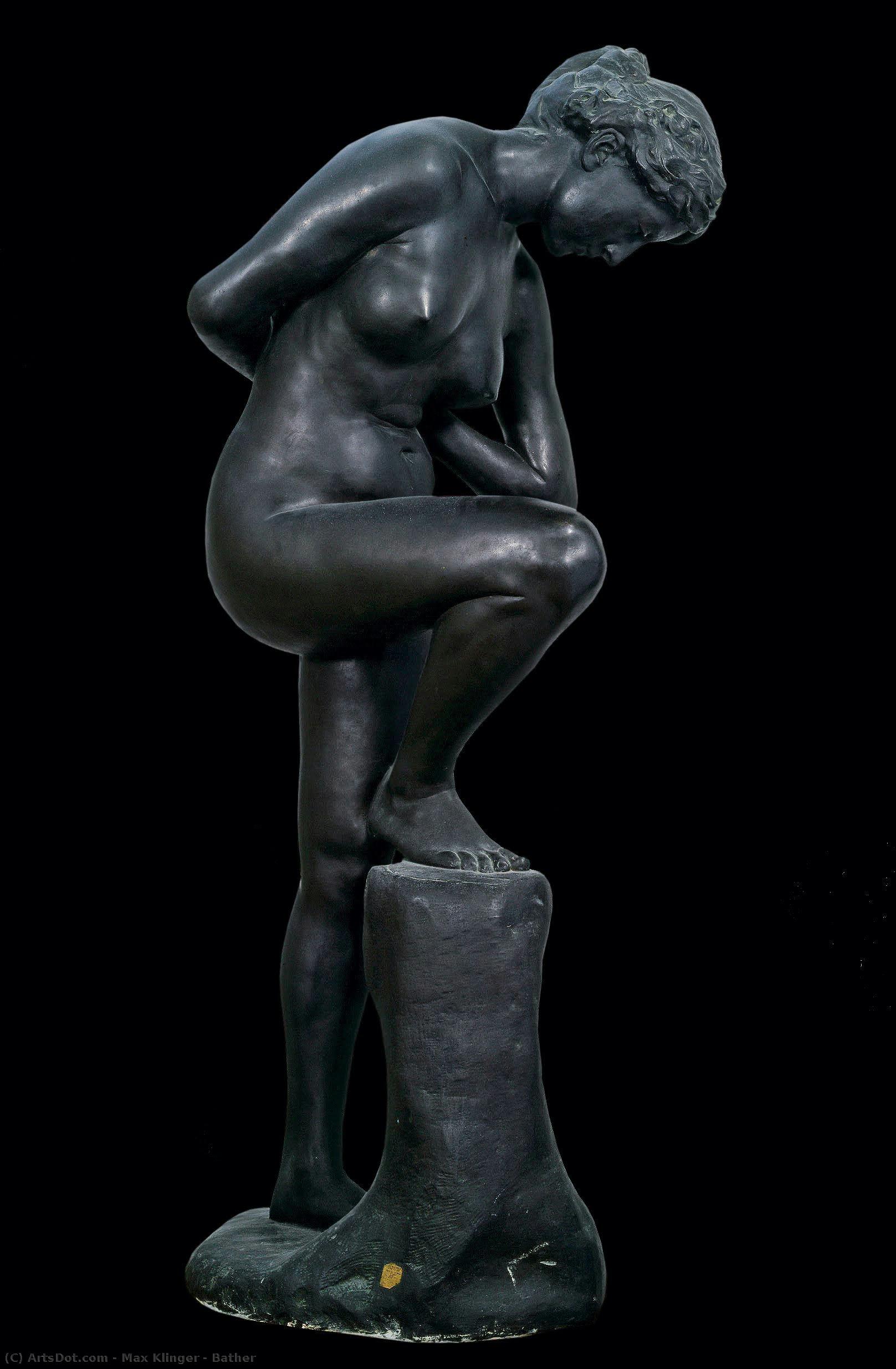
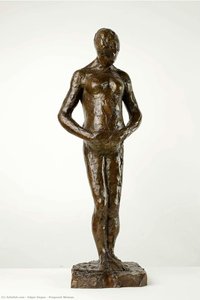
Bather


 Читать далее
Масляная репродукция ручной работы
Картина маслом на холсте в выбранном вами размере и раме, написанная на заказ нашими художниками. ( Перейти к печати Перейти к цифровым изображениям)




































Выберите один из наших стандартных размеров, соответствующих оригинальным пропорциям произведения искусства.

Вы можете указать собственные размеры, чтобы картина идеально вписалась в выбранную раму или пространство. Если выбранный вами размер не соответствует пропорциям оригинала, мы либо обрежем полотно, либо расширим его за счет дополнительных элементов, написанных вручную. Цифровой макет будет отправлен вам на утверждение перед началом производства.
Обратите внимание, что предварительный просмотр на экране не отражает фактическую обрезку или расширение. Только макет точно покажет окончательную композицию.
Хотя доступны индивидуальные размеры, мы рекомендуем выбирать вариант из предопределенного списка, чтобы сохранить исходные пропорции.
После оформления заказа команда ArtsDot.com свяжется с клиентом по электронной почте для уточнения деталей и предоставит предварительный макет
Доставка по всему миру () за 3–4 недели вместо стандартных 5 недель. (11 Сентябрь). Без компромиссов в качестве.

Бесплатная экспресс-доставка по всему миру

Высококачественный льняной холст

Полное страхование доставки

Гарантия возмещения таможенных пошлин

Гарантия точного соответствия цветов

100-дневная политика возврата (только при обнаружении дефектов)

Гарантия возврата 100% средств

Предложение оптовых скидок
 Вариант со стеклом доступен только для размеров менее 110 см

Bather
Техника репродукции
Размер репродукции
-


Итоговая стоимость
$ 263
A Silent Reflection: The Soul of Max Klinger’s Bather
In the quiet intersection where the tangible world of Realism meets the ethereal realm of Symbolism, Max Klinger’s “Bather” resides as a profound masterpiece of psychological depth. Created in 1908, this bronze sculpture does not merely present a figure submerged in water; it captures a fleeting, heavy moment of introspection. To gaze upon the Bather is to witness more than a physical form; it is to encounter a state of being—a serene yet sorrowful stillness that speaks to the universal human experience of vulnerability and contemplation. The figure’s posture, draped in subtle, flowing lines, invites the viewer into a private sanctuary of thought, making it an ideal centerpiece for those who appreciate art that stirs the subconscious.
The technical mastery displayed in this work is nothing short of extraordinary. Executed in bronze, the sculpture utilizes a sophisticated patination process that grants the metal an almost otherworldly glow. The dark, rich tones of the bronze create a striking contrast against its surroundings, allowing the light to dance across the contours of the female form and the intricate folds of her drapery. Klinger’s dedication to realism is evident in the way he captures the weight and texture of the material, yet he transcends mere imitation through his use of organic, curvilinear shapes. This harmony between the physical accuracy of the bronze and the fluid, rhythmic lines of the composition creates a visual melody that is both soothing and deeply moving.
Symbolism and the Dawn of Modern Anxiety
As a pioneer of German Symbolism, Klinger was deeply invested in exploring the hidden currents of the human psyche. During the dawn of the 20th century, a period marked by rapid industrialization and shifting social structures, "Bather" serves as an anchor for the era's collective anxieties and dreams. The sculpture moves beyond the literal depiction of a woman bathing to become a vessel for unspoken burdens and quiet resilience. Every curve of the body and every shadow cast by the studio lighting suggests a narrative complexity—a story of loss, longing, or perhaps a momentary escape from the pressures of the modern world.
For the discerning collector or interior designer, this piece offers an unparalleled opportunity to introduce emotional intelligence into a space. Whether placed in a minimalist contemporary gallery or a richly textured classical study, the Bather commands attention through its quiet intensity. It is not a work that shouts for recognition; rather, it waits to be discovered by those who seek depth and meaning in their surroundings. Owning a high-quality reproduction of this work allows one to bring the haunting beauty of Klinger’s vision into the home, providing a constant source of inspiration and a window into the profound mysteries of the human spirit.
Похожие произведения


Биография художника
The Shadowed World of Max Klinger: A Pioneer of Symbolism
Max Klinger, born in Leipzig in 1857, wasn’t simply an artist; he was a translator of the unseen—a chronicler of dreams and anxieties that lay just beneath the surface of everyday life. His artistic journey began not with immediate acclaim but with a slow, deliberate descent into a world of psychological depth, a realm where symbols held more power than mere representation. From his early training at the Academy of Fine Arts in Karlsruhe, under the guidance of Karl Gussow, Klinger absorbed the lessons of traditional techniques—the meticulous rendering of form and light—but it was his fascination with the etchings of masters like Menzel and Goya that truly ignited his imagination. These artists demonstrated a remarkable ability to convey narrative complexity and profound emotional intensity through printmaking – qualities Klinger would masterfully harness throughout his career. He wasn’t interested in merely depicting what *was*; he sought to unveil what *felt*, what resonated with the hidden currents of the human soul.From Realism's Embrace to Symbolic Depths
Klinger’s artistic evolution was marked by a conscious and deliberate shift away from the prevailing aesthetic of realism—the detailed, often superficial depictions of everyday life that dominated the art world at the time. Initially, his work reflected this trend, showcasing scenes of urban life with considerable detail. However, this phase proved merely a stepping stone towards something far more profound. The turning point arrived with his groundbreaking series of etchings, *Paraphrase on the Finding of a Glove* (1881). This ambitious project wasn’t a literal illustration of an event; instead, it was a fragmented, dreamlike exploration of desire, loss, and the intricate complexities of human relationships. The glove itself became a potent symbol—a relic imbued with memory, longing, and the ephemeral nature of connection. The series' ten plates unfolded not as a straightforward narrative but as a collection of evocative images, each contributing to a larger, more ambiguous whole. This work established Klinger as a leading voice within the burgeoning Symbolist movement, demonstrating his unique ability to transform ordinary objects into vehicles for profound psychological insight—to imbue them with layers of meaning that extended far beyond their physical appearance. He wasn’t interested in simply *showing* what something looked like; he wanted to convey what it *represented*, what it evoked within the viewer's subconscious.Sculpture, Printmaking and the Exploration of Myth
Klinger’s artistic output was remarkably diverse, encompassing not only painting and printmaking but also sculpture—though it is arguably in the realm of graphic arts that he achieved his most enduring legacy. His prints are characterized by their meticulous technique, dramatic use of light and shadow, and haunting imagery. He wasn't afraid to tackle challenging themes – mortality, sexuality, and the darker aspects of the human psyche – often exploring them through allegorical figures and symbolic landscapes. Beyond *Paraphrase on the Finding of a Glove*, works like his depictions of Faustian bargains and mythological scenes reveal a fascination with archetypal narratives and universal human struggles. He experimented extensively with various intaglio techniques, including etching, drypoint, and aquatint, skillfully blending them to create a rich tapestry of tonal and formal effects. His sculptural work, though less prolific than his prints, was equally ambitious—often deliberately unsettling in its form and challenging conventional notions of beauty. A prime example is his monumental installation in homage to Beethoven at the Vienna Secession in 1902 – a powerful testament to the composer’s genius and a bold statement of artistic innovation. Klinger's sculptures weren't simply representations; they were explorations of emotion, often imbued with a sense of mystery and unease.Influences and Legacy: A Bridge to Modernity
Max Klinger’s influence extended far beyond his own lifetime. He wasn’t merely a product of his time; he was a catalyst for change, paving the way for Expressionism, Surrealism, and other avant-garde movements that sought to explore the inner world of human experience. His emphasis on symbolism, psychological depth, and subjective interpretation resonated deeply with artists grappling with the anxieties and uncertainties of the modern age. He anticipated the work of later Surrealists like Salvador Dalí and René Magritte through his exploration of dreamlike states and subconscious desires. Klinger’s art wasn't simply historical; it remains strikingly relevant today. In an era defined by rapid change and a pervasive sense of unease, his exploration of psychological themes – anxiety, alienation, and the search for meaning – continues to resonate with audiences worldwide. His legacy is a reminder that true artistic innovation lies not in merely replicating reality but in revealing its hidden depths and challenging our preconceived notions about the world around us. The artist’s willingness to confront uncomfortable truths and explore the darker corners of the human psyche cemented his place as a pivotal figure in the transition from 19th-century academic traditions to the radical experimentation of the 20th century.Notable Works & Continued Relevance
Beyond the celebrated *Paraphrase on the Finding of a Glove*, Klinger’s oeuvre boasts numerous significant pieces that continue to captivate and inspire. Paintings like “Karl Haberstock,” showcasing his influence on fellow artists, and works such as those included in collections at Kunstsammlungen und Museen Augsburg demonstrate his broad artistic range. His monochrome photographs, including "Days Of March III," with their intriguing UFO sightings, reveal a willingness to embrace the unconventional and explore the boundaries of perception. Klinger’s art isn't merely historical; it remains strikingly relevant today. In an era defined by uncertainty and rapid change, his exploration of psychological themes—anxiety, alienation, and the search for meaning—continues to resonate with audiences worldwide. His legacy is a reminder that true artistic innovation lies not in simply replicating reality but in revealing its hidden depths and challenging our preconceived notions about the world around us.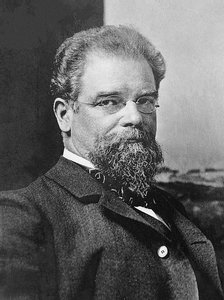
Макс Клингер
1857 - 1920 , Германия
Основные сведения
- Artistic Movement Or Style: Символизм
- Artists Or Movements Influenced By This Artist:
- Крох
- Бокльин
- Artists Who Influenced This Artist:
- Мандельштам
- Гойя
- Date Of Birth: 1857
- Date Of Death: 1920
- Full Name: Макс Клингер
- Nationality: Немецкий
- Notable Artworks:
- Гармония
- Парафраза о нахождении перчатки
- Битва
- Бессмертие
- Place Of Birth: Лейпциг, Германия
Похожие статьи

Макс Эрнст: 25 шедевров сюрреализма для ценителей искусства и декора интерьера
Погрузитесь в мир сюрреализма с Максом Эрнстом! 25 культовых картин, раскрывающих тайны подсознания и новаторские техники. Репродукции высокого качества для вашего интерьера на ArtsDot.com. Откройте всю коллекцию онлайн!

The Enduring Legacy of Bronze: A Historical & Artistic Exploration for the Collector
Explore the rich history & enduring appeal of bronze sculpture with expert insights for collectors at ArtsDot. Learn about casting techniques, iconic artists, collecting tips & contemporary interpretations.
The Enduring Legacy of Bronze: History, Technique & Artistic Expression for the Collector
Explore the rich history & enduring appeal of bronze sculpture with expert insights for collectors at ArtsDot. Learn about casting techniques, iconic artists, and collecting tips.

10 легендарных бронзовых шедевров, изменивших искусство | ArtsDot
Погрузитесь в мир великих бронзовых шедевров! От Давида Донателло до Мыслителя Родена – узнайте историю создания, технику и значение легендарных скульптур. Вдохновение для интерьера и музейное качество репродукций на ArtsDot.com.

10 легендарных бронзовых скульптур, изменивших искусство навсегда | ArtsDot
Погрузитесь в мир великих бронзовых скульптур! От Давида Микеланджело до работ Родена – история искусства, техники и вдохновения. Купите репродукции шедевров для вашего интерьера на ArtsDot.com