

 Предпросмотр
 Поделиться
 Поделиться
 Детали произведения

 Скачать
 Похожие работы
 Рентгенография
 Слайд-шоу
 Статистика
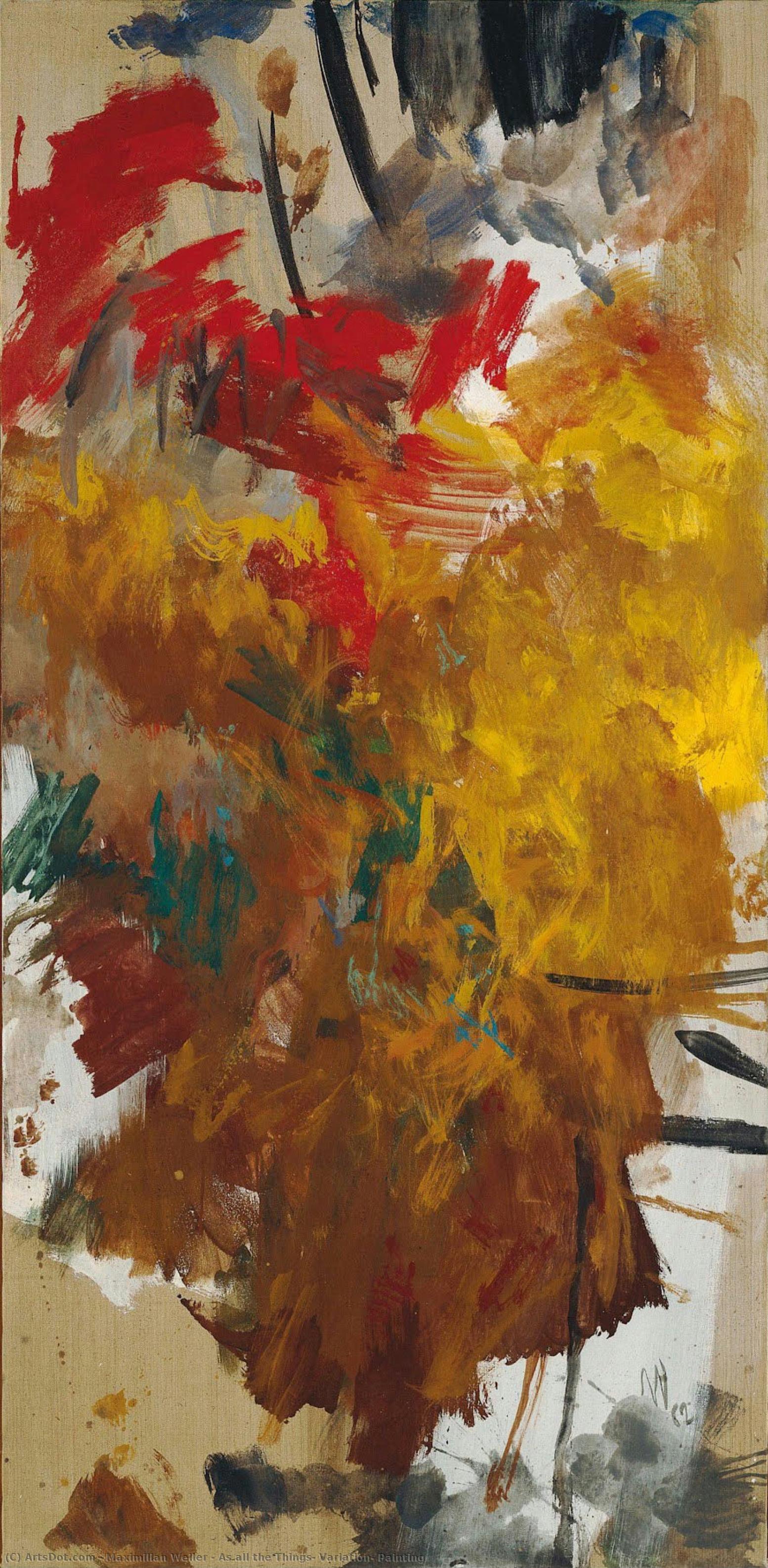
As all the Things… Variation, Painting
 Painting
 1962
1962- Modern
 95.0 x 196.0 cm
 Albertina Klosterneuburg
 Читать далее
Масляная репродукция ручной работы
Картина маслом на холсте в выбранном вами размере и раме, написанная на заказ нашими художниками. ( Перейти к печати Перейти к цифровым изображениям)




P118B $10

P118H $10

P118W $10

P438Z $10

P508JH $12

P508YH $12

P805H $10

P805Z $10

P919BZ $10

P919G $10

P919XJ $10

P959ZH $10

P968JZ $12

W106C $8

W218G $10

W218JH $8

W218Y $10

W307PJ $10

W316G $10

W316PJ $8

W316Y $10

W398PJ $8

W4111J $10

W500HY $15

W500JH $15

W692G $12

W849H $8

W940BG $15

W953PJ $8




Выберите один из наших стандартных размеров, соответствующих оригинальным пропорциям произведения искусства.

Вы можете указать собственные размеры, чтобы картина идеально вписалась в выбранную раму или пространство. Если выбранный вами размер не соответствует пропорциям оригинала, мы либо обрежем полотно, либо расширим его за счет дополнительных элементов, написанных вручную. Цифровой макет будет отправлен вам на утверждение перед началом производства.
Обратите внимание, что предварительный просмотр на экране не отражает фактическую обрезку или расширение. Только макет точно покажет окончательную композицию.
Хотя доступны индивидуальные размеры, мы рекомендуем выбирать вариант из предопределенного списка, чтобы сохранить исходные пропорции.
После оформления заказа команда ArtsDot.com свяжется с клиентом по электронной почте для уточнения деталей и предоставит предварительный макет
Доставка по всему миру () за 3–4 недели вместо стандартных 5 недель. (12 Сентябрь). Без компромиссов в качестве.

Бесплатная экспресс-доставка по всему миру

Высококачественный льняной холст

Полное страхование доставки

Гарантия возмещения таможенных пошлин

Гарантия точного соответствия цветов

100-дневная политика возврата (только при обнаружении дефектов)

Гарантия возврата 100% средств

Предложение оптовых скидок
 Вариант со стеклом доступен только для размеров менее 110 см

As all the Things… Variation, Painting
Техника репродукции
Размер репродукции
-


Итоговая стоимость
$ 263
A Symphony of Color and Nature
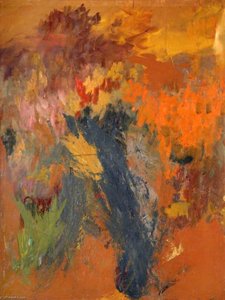
In the evocative masterpiece "As all the Things… Variation," the Austrian painter Maximilian Weiler invites us into a world where the boundaries between the human spirit and the natural landscape dissolve into a vibrant, rhythmic dance. Created in 1962, this expansive work serves as a profound meditation on the interconnectedness of life. The canvas is dominated by a striking arboreal presence, where fiery red leaves erupt across the composition like embers caught in a gentle breeze. These crimson accents are masterfully balanced by whispers of golden yellow, creating a palette that feels both autumnal and eternal. As the eye wanders through the textured layers of paint, one discovers a subtle human presence nestled within the scenery—a figure that does not command the space but rather harmonizes with it, suggesting a moment of quiet contemplation or a shared breath with the earth.
The technique employed by Weiler in this variation is nothing short of mesmerizing. Eschewing rigid outlines for a more fluid, expressive application, he utilizes texture to breathe life into the foliage. Each stroke feels intentional yet spontaneous, capturing the flickering movement of light through leaves. This painterly approach allows the colors to bleed and blend in ways that evoke the Impressionist tradition while maintaining a modern, structural integrity characteristic of mid-century Austrian art. For the discerning collector or interior designer, this piece offers a sophisticated interplay of warmth and depth, making it an ideal focal point for spaces that require a sense of organic luxury and emotional resonance.
The Legacy of Modern Tradition
To understand the profound impact of this work, one must look to the artistic lineage of Maximilian Weiler himself. A significant figure in the Austrian art scene, Weiler possessed a unique ability to bridge the gap between classical tradition and the burgeoning energy of modernity. His work often reflects a simplified yet incredibly vibrant aesthetic, stripping away the unnecessary to reveal the raw, emotional core of his subjects. In "As all the Things… Variation," this philosophy is realized through the use of bold color blocks and a composition that feels both grounded and ethereal. The painting does not merely depict a scene; it captures an atmosphere—a sense of peace that arises when humanity finds its rightful place within the grand cycle of nature.
For those looking to curate a collection or enhance a high-end interior, this reproduction offers more than just visual beauty; it provides a narrative of harmony. The large scale of 95 x 196 cm allows the artwork to command a room, acting as a window into a serene, idealized reality. Whether placed in a contemporary gallery setting or a classic study, the painting’s ability to evoke warmth and tranquility makes it an enduring choice for those who appreciate art that speaks to the soul. It remains a testament to Weiler's mastery of light and his lifelong pursuit of capturing the vibrant essence of existence.
Похожие произведения

Биография художника
Winslow Homer: A Life Painted in Light and Shadow
Winslow Homer, born in Boston in 1836 and passing away in 1910, stands as a towering figure in American art—a painter who relentlessly pursued truth and beauty across decades of transformation. His journey wasn’t one of formal training or academic acclaim; instead, it was forged through observation, experience, and an unwavering commitment to capturing the essence of the American landscape and its people. Early on, Homer found his footing as a commercial printmaker, producing illustrations for magazines like *Harper's Weekly*, a skill that honed his eye for detail and composition—a foundation crucial to his later success. Crucially, this early work exposed him to the burgeoning world of illustration and provided a means to support himself while he developed his artistic voice.The Civil War Years and Early Artistic Shifts
Homer’s career took an unexpected turn with his assignment as an artist-correspondent for *Harper's Weekly* during the American Civil War. Rather than romanticized battle scenes, Homer depicted the grim realities of war—the wounded, the grieving, and the aftermath of conflict—with a stark honesty that shocked many viewers at the time. Paintings like *The Veteran in a New Field* (1863) and *Prisoners from the Front* (1864) moved beyond simple documentation to explore the psychological toll of war on individuals. This period marked a significant shift, moving away from the idealized depictions prevalent in earlier war art towards a more nuanced and emotionally resonant portrayal of human suffering. His time in Paris during 1866-1867 proved pivotal, exposing him to the Impressionist movement and influencing his approach to light, color, and composition—a move away from the dark palette of his Civil War works toward brighter, more atmospheric scenes.Coastal Maine: A Lifelong Obsession
Following his return from Paris, Homer settled in New York City but increasingly sought refuge in the coastal communities of Massachusetts and Maine. These locations became the central focus of his artistic life for over fifty years. He was drawn to the rugged beauty of the Atlantic coast—the relentless power of the sea, the weathered faces of fishermen, and the quiet dignity of rural life. His paintings of lobster boats, fishing villages, and solitary figures against the vast expanse of the ocean are iconic representations of American identity. Homer’s technique evolved during this period, moving from detailed realism to a looser, more expressive style—a deliberate choice to capture not just the appearance but also the *feeling* of these scenes. He employed broken brushstrokes and vibrant color palettes to convey the energy and drama of the sea.Late Works: A Return to Introspection
In his later years, Homer’s subject matter shifted inward, focusing on domestic scenes—women at work, children playing, and portraits of family members. These paintings are characterized by a remarkable intimacy and psychological depth. His depictions of women, particularly those engaged in everyday tasks like mending nets or hauling fish, reveal a profound understanding of the strength and resilience of ordinary people. The series depicting the women of Cullercoats, England, exemplifies this shift—capturing their lives with empathy and respect. These late works demonstrate a remarkable evolution in his style, moving towards a more simplified palette and a focus on capturing mood and emotion rather than precise detail.Legacy and Influence
Winslow Homer’s impact on American art is undeniable. He was a pioneer in depicting the realities of American life—both its beauty and its hardship—with honesty and compassion. His influence can be seen in the works of later generations of American painters, including George Bellows and Andrew Wyeth. His masterful use of light and color, his ability to capture the essence of place, and his profound understanding of human nature continue to resonate with viewers today. He is rightly regarded as one of the greatest American painters of the nineteenth century—a testament to the power of observation, dedication, and a lifelong pursuit of artistic truth. His work remains a vital part of the national art heritage, offering a poignant reflection on the American experience.
maximilian weiler
1910 - 2001 , Austria
Основные сведения
- Artistic Movement Or Style: Genre Painting
- Artists Or Movements Influenced By This Artist: ['French Impressionism']
- Artists Who Influenced This Artist: ['Hudson River School']
- Date Of Birth: 1836
- Date Of Death: 1910
- Full Name: Winslow Homer
- Nationality: American
- Notable Artworks:
- Snapshots of Life
- The Gulf Stream
- Smoke from a Fire
- Children of Soldiers
- Place Of Birth: Boston, USA
Похожие статьи
Топ-25 шедевров Василия Кандинского: Абстрактное искусство для вашего интерьера
Погрузитесь в мир абстрактного искусства с Василием Кандинским! 25 шедевров экспрессионизма, баухауса и русского авангарда. Репродукции картин Кандинского для вдохновения и декора вашего интерьера. Откройте всю коллекцию на ArtsDot.com
Топ-10 шедевров живописи в доминирующих оттенках хромового жёлтого | ArtsDot
Погрузитесь в мир хромового жёлтого! 10 знаменитых картин Ван Гога, Моне и других мастеров. История искусства, техника живописи и вдохновение для декора интерьера. Репродукции музейного качества на ArtsDot.com
Топ-10 знаменитых картин в охристых тонах: искусство и декор от ArtsDot
Погрузитесь в мир искусства с 10 знаменитыми картинами, где доминирует охристый цвет! Узнайте истории Ван Гога, Моне и других мастеров. Репродукции высокого качества для вашего интерьера от ArtsDot.com. Откройте всю коллекцию онлайн!
Марк Ротко: 25 шедевров абстрактного экспрессионизма для вашего интерьера | ArtsDot
Погрузитесь в мир Марка Ротко! 25 шедевров абстрактного экспрессионизма, полных эмоций и цвета. Узнайте историю создания культовых картин и найдите идеальную репродукцию для вашего интерьера на ArtsDot.com.

Crimson Threads of Narrative: Exploring Symbolism & Representation in Artworks Featuring the Red Dress
Explore the rich symbolism of the red dress in art history! From ancient power displays to iconic portraits like Cézanne’s 'Madame Cezanne', discover the cultural and artistic significance behind this captivating color. Expert analysis & insights.