

 Поделиться
 Поделиться
 Детали произведения

 Скачать
 Похожие работы
 Слайд-шоу
 Статистика
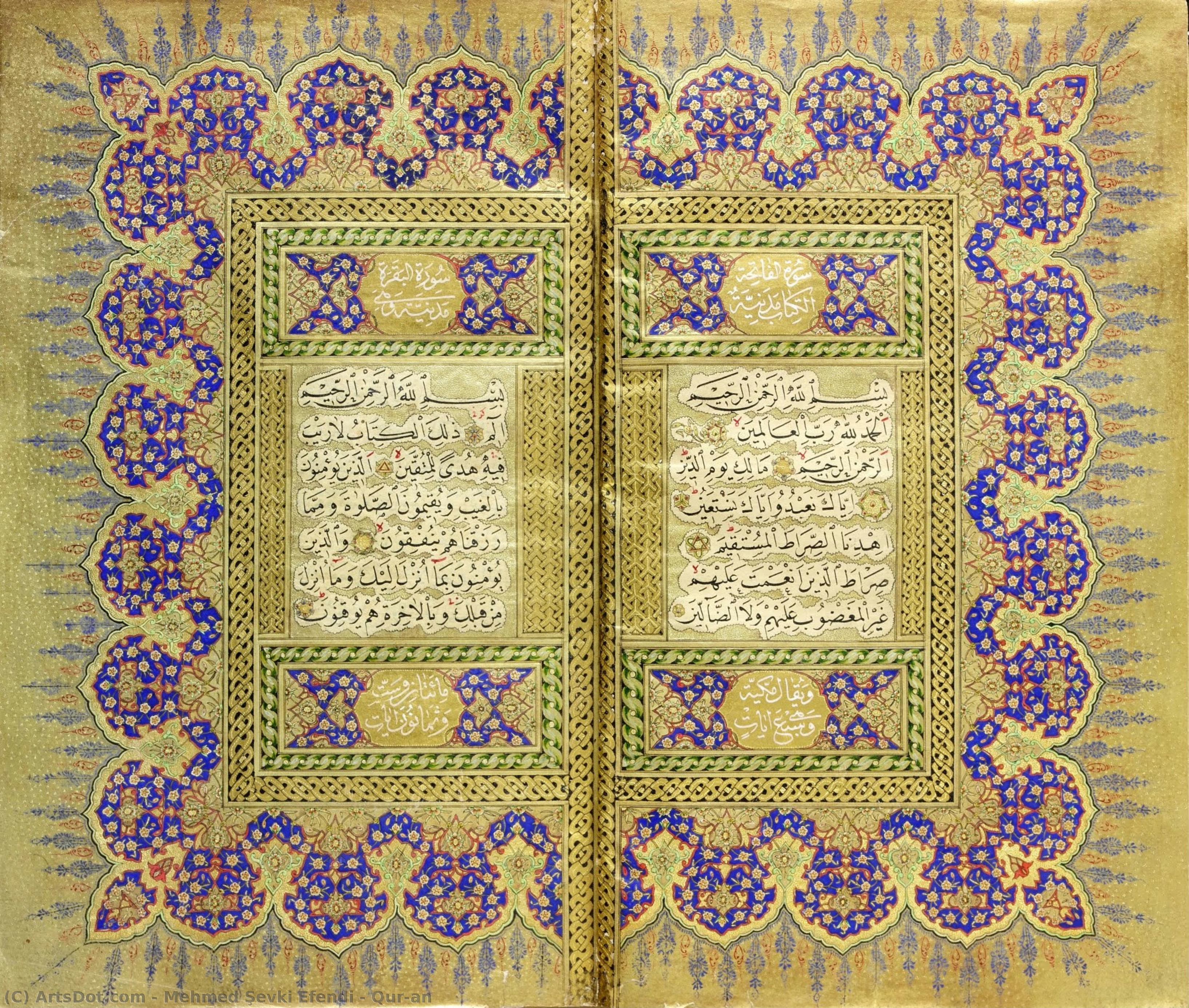
Qur’an
 Gold Leaf
- Sculpture
- Islamic Manuscript Illumination
 1862
1862- 19th Century
 12.0 x 19.0 cm
 Музей Сакыпа Сабанджи
 Читать далее
Приобретите цифровое изображение высокого разрешения в улучшенном качестве, которое значительно превосходит онлайн-превью.
Каждый файл тщательно подготавливается нашими специалистами с использованием передовых инструментов и экспертной ручной ретуши. Мы гарантируем исключительную четкость, точную цветопередачу и детальную проработку каждого изображения.
Финальный файл доставляется по электронной почте в течение 72 часов и оптимизирован для немедленного использования в профессиональной среде, при верстке и печати. Это тот же уровень качества, которому доверяют ведущие дизайнерские студии, издательства и галереи.
Цифровое изображение
Скачайте файл высокого разрешения для личного использования, печати и творческих проектов. ( Перейти к печати Купить картину ручной работы)
Включено в каждый заказ цифровых изображений
Гарантия экспертной цифровой доставки
Выбирая ArtsDot.com, вы получаете не просто изображение — вы приобретаете профессионально обработанное цифровое произведение искусства, созданное с безупречной точностью и под защитой гарантии качества. Вот всё, что автоматически входит в ваш заказ:

Мгновенная доставка по e-mail
Ваш цифровой файл в высоком разрешении будет отправлен вам по электронной почте в течение 72 часов после оформления заказа — и сразу станет доступен для использования.

Цифровой файл с ИИ-улучшением
Ваше произведение искусства проходит профессиональную оптимизацию с использованием передовых инструментов ИИ и ручной обработки, что гарантирует максимальную детализацию, четкость и точность цветопередачи.

Бессрочная бесплатная повторная доставка
Случайно удалили или потеряли файл? Не беспокойтесь — мы отправим его вам повторно в любое время и совершенно бесплатно.

Без импортных пошлин — навсегда
Наслаждайтесь вашим произведением искусства мгновенно без таможенных пошлин, сборов или затрат на доставку — цифровые загрузки всегда не облагаются налогом.

Гарантия точности цветопередачи
Мы гарантируем, что ваше цифровое изображение максимально точно передает оригинальные цвета благодаря использованию профессиональных инструментов и систем управления цветом.

Гарантия удовлетворенности 100 дней
Если вы не будете удовлетворены своим цифровым изображением, мы внесем правки или вернем 100% стоимости в течение 100 дней — без лишних вопросов.

100% Гарантия возврата средств
Не удовлетворены покупкой? Получите полный возврат средств в течение 100 дней после получения цифрового файла — без лишних вопросов.

Скидки на оптовые заказы
Купите 3 изображения, сэкономьте 10% — Купите 5, сэкономьте 15% — Купите 10+, сэкономьте 20%. Отличное решение для творческих проектов, галерей и агентств.
A Symphony of Sacred Script and Gold
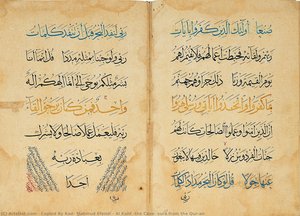
In the quiet intersection of devotion and artistry lies this magnificent Ottoman illuminated Qur’an, a masterpiece penned in 1862 by the legendary calligrapher Mehmed Şevki Efendi. To gaze upon these pages is to witness a celestial dance of ink and light, where every stroke of the reed pen serves as a bridge between the earthly and the divine. The manuscript presents a breathtaking two-page spread, characterized by an exquisite balance of vibrant blue and deep red calligraphy set against the warm, organic texture of cream-colored parchment. This is not merely a religious text; it is a visual hymn, where the rhythmic flow of the Thuluth and Naskh scripts creates a mesmerizing cadence that draws the viewer into a state of meditative wonder.
The artistry of Şevki Efendi is most profoundly felt in the meticulous application of gold leaf, which catches the light to create a soft, ethereal glow across the composition. The borders are a triumph of Islamic geometric design, featuring an intricate tapestry of stars, teardrops, and stylized floral motifs that frame the sacred verses with unparalleled elegance. Each element is layered with precision, utilizing fine pigments and delicate linework to achieve a sense of depth within a flat, two-dimensional plane. This technique—a hallmark of the Şevki Mektebi school—transforms the parchment into a jewel-like object, where the interplay of gold and lapis lazuli hues evokes the splendor of an imperial treasury.
The Legacy of the Shevki Mektebi
To understand the profound impact of this work, one must look to the life of its creator. Born in Kastamonu, Mehmed Şevki Efendi rose from humble beginnings to define the very standard of Ottoman calligraphy. Eschewing the traditional path of established imperial masters, he forged a unique stylistic identity that emphasized clarity, grace, and a harmonious proportion that would later become the reference point for generations of calligraphers. This manuscript stands as a testament to that independent spirit, embodying a period of Ottoman history where Islamic art reached a pinnacle of decorative sophistication.
For the discerning collector or interior designer, this reproduction offers more than just aesthetic beauty; it provides a focal point of profound cultural and spiritual significance. The piece possesses an emotional gravity that commands attention in any setting, whether gracing a private library or serving as a centerpiece in a curated gallery space. Its complex patterns and rich textures invite prolonged contemplation, making it an ideal acquisition for those who seek to surround themselves with art that speaks of timelessness, craftsmanship, and the enduring pursuit of divine beauty.
Похожие произведения

Биография художника
A Legacy Etched in Gold: The Life and Art of Mehmed Şevki Efendi
Born in Kastamonu, a town nestled near the Black Sea in 1829, Mehmed Şevki Efendi emerged as one of the most celebrated calligraphers of the Ottoman Empire. His journey began not within the grand schools of Istanbul, but with the quiet dedication fostered by his family and uncle, Ahmed Agha and Mehmed Hulûsi Efendi respectively. Sent to the imperial capital at a young age, Şevki’s early education was steeped in traditional Islamic learning, laying the foundation for a life devoted to the exquisite art of calligraphy. While initially encouraged to seek tutelage under the renowned Kazasker Mustafa Izzet Efendi, Şevki possessed an independent spirit and chose instead to refine his skills alongside his uncle, forging a unique path that would ultimately define his own distinctive style – the *Şevki Mektebi* school. This decision proved pivotal, allowing him the freedom to absorb influences from masters like Hâfiz Osman while simultaneously cultivating a personal aesthetic that resonated with unparalleled grace and precision.The Flourishing of a Unique Style
Şevki Efendi’s mastery lay primarily in the *thuluth* and *naskh* scripts, two cornerstones of Islamic calligraphy revered for their elegance and complexity. He didn't merely replicate these forms; he elevated them to new heights of perfection. His work is characterized by a harmonious balance between boldness and delicacy, achieved through meticulous attention to detail and an innate understanding of the rhythmic flow of the pen. He was known for his unwavering commitment to tradition, yet possessed an innovative spirit that allowed him to subtly push boundaries within established conventions. This dedication resulted in a style so refined it became a benchmark for subsequent generations of calligraphers. He achieved what many consider “a height of perfection never attained previously, nor surpassed since.” His compositions weren’t simply beautiful arrangements of letters; they were spiritual expressions rendered visible through the artful manipulation of ink and gold leaf.A Life Dedicated to Teaching and Imperial Service
Beyond his personal artistic pursuits, Şevki Efendi dedicated a significant portion of his life to education. He served as a calligraphy teacher within the Ministry of War, imparting his knowledge to military scribes who were responsible for producing official documents and correspondence. This role underscored the importance of calligraphy in Ottoman society – it wasn’t merely an aesthetic practice but a vital skill essential for maintaining administrative functions. Furthermore, he was entrusted with the prestigious task of teaching penmanship to the sons of Sultan Abdulhamid II, solidifying his position as a leading figure within the imperial court. His influence extended far beyond the confines of the classroom and palace walls; through his students, Şevki’s style permeated various facets of Ottoman artistic life.Major Achievements and Enduring Legacy
Throughout his career, Mehmed Şevki Efendi produced an astonishing body of work, including twenty-five complete copies of the Quran – each a testament to his unwavering devotion and exceptional skill. He also created numerous personal prayer books, adorned with intricate calligraphic compositions bearing his signature, “Muhammed Shawki.” His most significant contribution, however, lies in the establishment of the *Şevki Mektebi* school, which continues to inspire contemporary calligraphers today. The principles he espoused – a reverence for tradition combined with an innovative spirit and meticulous attention to detail – remain central to the practice of Ottoman calligraphy. His work, including his treatise on *Thuluth & Naskh Mashqs*, serves as a valuable resource for students and scholars alike, ensuring that his legacy endures.Historical Significance: The Last of a Great Lineage
Mehmed Şevki Efendi occupies a unique position in the history of Islamic calligraphy. He is often regarded as the last in a long and illustrious lineage stretching back to Sheikh Hamdullah, the 15th-century master who revolutionized the *sülüs* and *naskh* scripts. He not only preserved the traditions of his predecessors but also refined them, pushing the boundaries of artistic expression while remaining deeply rooted in Islamic aesthetics. His work reflects the cultural richness and spiritual depth of the Ottoman Empire during a period of significant change. The exquisite beauty and technical mastery of his calligraphy continue to captivate audiences today, serving as a powerful reminder of a golden age of Islamic art and a testament to the enduring power of human creativity. He passed away in 1887 following a stroke, leaving behind a legacy etched not just in ink and gold, but in the hearts and minds of generations of calligraphers who continue to draw inspiration from his unparalleled artistry.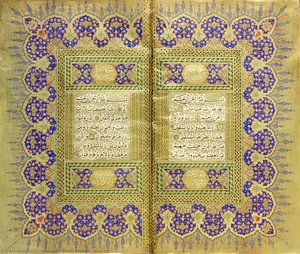
Основные сведения
- Artistic Movement Or Style: Thuluth-Naskh calligraphy
- Artists Or Movements Influenced By This Artist:
- Mohammad Hosni
- Şevki Mektebi school
- Artists Who Influenced This Artist: ['Hâfiz Osman']
- Date Of Birth: 1829
- Date Of Death: 1887
- Full Name: Mehmed Şevki Efendi
- Nationality: Ottoman
- Notable Artworks:
- Qur’an (1862)
- Murakka album
- Place Of Birth: Kastamonu, Turkey