

 Предпросмотр
 Поделиться
 Поделиться
 Детали произведения

 Скачать
 Похожие работы
 Рентгенография
 Слайд-шоу
 Статистика
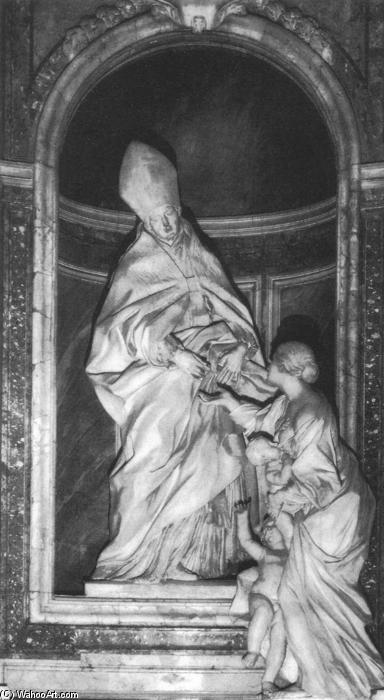
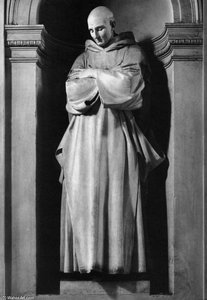
St Thomas of Villanova

 Читать далее
Масляная репродукция ручной работы
Картина маслом на холсте в выбранном вами размере и раме, написанная на заказ нашими художниками. ( Перейти к печати Перейти к цифровым изображениям)




































Выберите один из наших стандартных размеров, соответствующих оригинальным пропорциям произведения искусства.

Вы можете указать собственные размеры, чтобы картина идеально вписалась в выбранную раму или пространство. Если выбранный вами размер не соответствует пропорциям оригинала, мы либо обрежем полотно, либо расширим его за счет дополнительных элементов, написанных вручную. Цифровой макет будет отправлен вам на утверждение перед началом производства.
Обратите внимание, что предварительный просмотр на экране не отражает фактическую обрезку или расширение. Только макет точно покажет окончательную композицию.
Хотя доступны индивидуальные размеры, мы рекомендуем выбирать вариант из предопределенного списка, чтобы сохранить исходные пропорции.
После оформления заказа команда ArtsDot.com свяжется с клиентом по электронной почте для уточнения деталей и предоставит предварительный макет
Доставка по всему миру () за 3–4 недели вместо стандартных 5 недель. (13 Сентябрь). Без компромиссов в качестве.

Бесплатная экспресс-доставка по всему миру

Высококачественный льняной холст

Полное страхование доставки

Гарантия возмещения таможенных пошлин

Гарантия точного соответствия цветов

100-дневная политика возврата (только при обнаружении дефектов)

Гарантия возврата 100% средств

Предложение оптовых скидок
 Вариант со стеклом доступен только для размеров менее 110 см

St Thomas of Villanova
Техника репродукции
Размер репродукции
-


Итоговая стоимость
$ 313
Introduction to the Painting and its Artist
St Thomas of Villanova, a marble masterpiece by Melchiore Caffa, is an exceptional work of art that showcases the artist's extraordinary talent. The painting, which is currently housed in Sant'Agostino (Rome, Italy), depicts a bustling scene on the Grand Canal in Venice, Italy. Melchiore Caffa was an Italian painter who lived and worked during the 18th century. He was born in Rome and studied at the prestigious Accademia di San Luca. After completing his studies, he became a member of the academy and began to exhibit his works. Caffa's paintings are characterized by their vibrant colors, dynamic compositions, and masterful use of light and shadow.The Painting: St Thomas of Villanova
St Thomas of Villanova is a stunning work of art that captures the essence of Venice's Grand Canal. The painting features a bustling scene with gondolas, boats, and people going about their daily lives. In the background, one can see the magnificent architecture of Venice's palaces and churches. The central figure in the painting is St Thomas of Villanova, who was a Spanish Catholic bishop and theologian. He is depicted as a wise and compassionate figure, surrounded by a halo of light. The saint's serene expression and gentle gaze create a sense of calm and tranquility that contrasts with the busy scene around him. Caffa's masterful use of light and shadow adds depth and dimension to the painting. The warm sunlight reflects off the water, creating a shimmering effect that is both beautiful and mesmerizing. The artist's attention to detail is evident in every aspect of the painting, from the intricate patterns on the gondolas to the delicate folds of St Thomas's robes.The Significance of the Painting
St Thomas of Villanova is an important work of art that reflects Caffa's deep appreciation for Venice and its rich cultural heritage. The painting captures the essence of the city's unique beauty and charm, while also paying tribute to one of its most revered saints. The painting is also a testament to Caffa's extraordinary talent as an artist. His ability to capture the vibrancy and energy of Venice's Grand Canal, while also conveying a sense of serenity and tranquility, is truly remarkable. The painting is a masterpiece that showcases the best of Italian Baroque art.Conclusion
St Thomas of Villanova by Melchiore Caffa is an exceptional work of art that is both beautiful and meaningful. The painting captures the essence of Venice's Grand Canal, while also paying tribute to one of its most revered saints. It is a masterpiece that showcases Caffa's extraordinary talent as an artist and his deep appreciation for Italian culture and history. If you are interested in learning more about Melchiore Caffa or other Italian artists, we invite you to explore our collection of hand-made oil paintings reproductions at ArtsDot.com. Our expert team of artisans has meticulously recreated some of the most famous works of art in history, using traditional techniques and high-quality materials. Experience the beauty and magic of Italian art with ArtsDot.com!Похожие произведения
Биография художника
Melchiore Caffa (1635–1667): A Maltese Baroque Sculptor
Melchiore Caffa, born in Vittoriosa, Malta, around 1638, was a Maltese sculptor who left an indelible mark on Baroque art. His formative years were spent under the tutelage of Ercole Ferrata, a celebrated artist whose influence shaped Caffa’s artistic vision and technique. This mentorship instilled in him a profound understanding of sculptural craftsmanship and a dedication to capturing emotion through form—qualities that would characterize his entire oeuvre.- Early Life & Training: Vittoriosa, Malta, served as the backdrop for Caffa's early life, fostering an environment rich in artistic tradition. His formal training commenced with Ferrata, allowing him to hone skills in marble carving and mastering the intricacies of Baroque sculptural style.
- Ferrata’s Influence: Ercole Ferrata’s teachings extended beyond mere technical proficiency; he instilled a belief in art's capacity to convey spiritual truths—a conviction that would permeate Caffa’s subsequent artistic endeavors. Ferrata championed dramatic lighting and expressive poses, principles Caffa skillfully adopted into his own sculptures.
- Notable Commissions & Collaborations: Caffa gained recognition for undertaking significant commissions, primarily focused on religious subjects. He collaborated closely with other artists, contributing to monumental projects that celebrated Malta’s faith and artistic heritage.
Sculptural Style & Technique
Caffa's sculptural style exemplifies the Baroque aesthetic—characterized by dynamism, theatricality, and meticulous attention to detail. He skillfully employed marble as his primary medium, exploiting its inherent qualities to achieve stunning visual effects. His approach involved a combination of observation, anatomical study, and expressive manipulation of form—techniques honed through years of experience and guided by Ferrata’s teachings.- Dramatic Lighting: Like Ferrata, Caffa embraced dramatic lighting as an essential element of his sculptures. He meticulously positioned spotlights to accentuate contours, heighten emotional impact, and create a sense of theatrical grandeur.
- Anatomical Accuracy & Expressive Pose: Caffa’s sculptures demonstrate remarkable anatomical precision—reflecting Ferrata's commitment to realistic representation. Simultaneously, he employed expressive poses that conveyed profound emotion and communicated spiritual narratives effectively.
- Marble Manipulation: Caffa mastered the art of marble manipulation, skillfully carving intricate surfaces and achieving polished finishes that captured light beautifully. His meticulous craftsmanship ensured that each sculpture radiated a palpable sense of vitality and artistic excellence.
Major Achievements & Legacy
Caffa’s most celebrated achievement was undoubtedly his monumental sculpture of St. Rose of Lima—a poignant depiction of grief and devotion executed in exquisite marble. This work stands as a testament to Caffa's artistic prowess and embodies the Baroque spirit of conveying spiritual emotion through sculptural form. Furthermore, his bust of Alexander VII showcased his mastery of portraiture and demonstrated his ability to capture the essence of human character with remarkable sensitivity.- St Rose of Lima: This sculpture is considered a masterpiece of Baroque art, lauded for its emotive power and masterful execution. It exemplifies Caffa’s dedication to portraying spiritual themes with profound realism and artistic beauty.
- Bust of Alexander VII: The bust represents Caffa's exceptional skill in portraiture—capturing the dignity and solemnity of Pope Alexander VII with remarkable precision and conveying his inner life through subtle gestures and facial expressions.
Historical Significance
Melchiore Caffa’s contribution to Maltese Baroque art is undeniable. He played a pivotal role in shaping Malta's artistic landscape during a period marked by fervent religious devotion and cultural flourishing. His sculptures continue to inspire admiration for their beauty, craftsmanship, and spiritual depth—serving as enduring symbols of Malta’s artistic heritage and testament to Caffa’s legacy as one of the era’s most accomplished sculptors. Source: Web Gallery of Art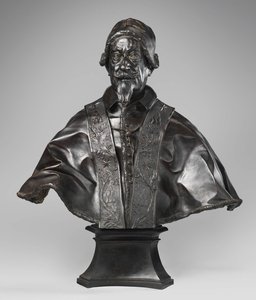
melchiore caffa
1635 - 1667 , Malta
Основные сведения
- Artistic Movement Or Style: Baroque
- Artists Or Movements Influenced By This Artist: ['Italian Renaissance']
- Artists Who Influenced This Artist: ['Ercole Ferrata']
- Date Of Birth: 1638
- Full Name: Melchiore Caffa
- Nationality: Maltese
- Notable Artworks: ['St Catherine']
- Place Of Birth: Vittoriosa, Malta