

 Предпросмотр
 Поделиться
 Поделиться
 Детали произведения

 Скачать
 Похожие работы
 Рентгенография
 Слайд-шоу
 Статистика
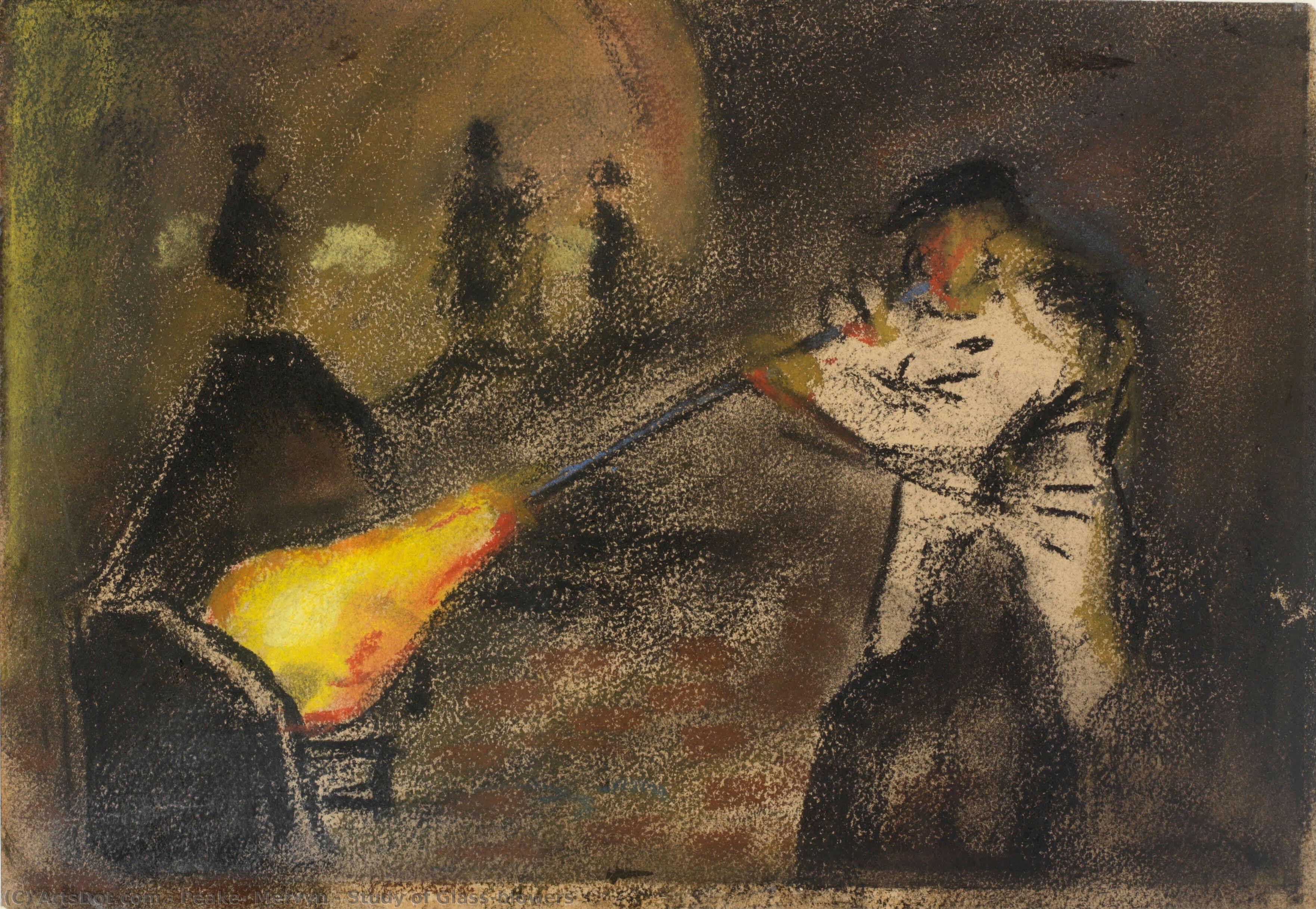
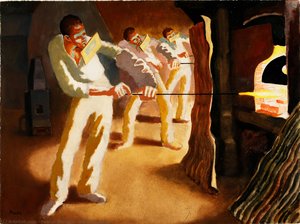
Study of Glass-blowers
 Pastel
- Expressionism
 1943
1943- Modern
 30.0 x 20.0 cm
 Имперские военные музеи
 Читать далее
Приобретите цифровое изображение высокого разрешения в улучшенном качестве, которое значительно превосходит онлайн-превью.
Каждый файл тщательно подготавливается нашими специалистами с использованием передовых инструментов и экспертной ручной ретуши. Мы гарантируем исключительную четкость, точную цветопередачу и детальную проработку каждого изображения.
Финальный файл доставляется по электронной почте в течение 72 часов и оптимизирован для немедленного использования в профессиональной среде, при верстке и печати. Это тот же уровень качества, которому доверяют ведущие дизайнерские студии, издательства и галереи.
Цифровое изображение
Скачайте файл высокого разрешения для личного использования, печати и творческих проектов. ( Перейти к печати Купить картину ручной работы)
Включено в каждый заказ цифровых изображений
Гарантия экспертной цифровой доставки
Выбирая ArtsDot.com, вы получаете не просто изображение — вы приобретаете профессионально обработанное цифровое произведение искусства, созданное с безупречной точностью и под защитой гарантии качества. Вот всё, что автоматически входит в ваш заказ:

Мгновенная доставка по e-mail
Ваш цифровой файл в высоком разрешении будет отправлен вам по электронной почте в течение 72 часов после оформления заказа — и сразу станет доступен для использования.

Цифровой файл с ИИ-улучшением
Ваше произведение искусства проходит профессиональную оптимизацию с использованием передовых инструментов ИИ и ручной обработки, что гарантирует максимальную детализацию, четкость и точность цветопередачи.

Бессрочная бесплатная повторная доставка
Случайно удалили или потеряли файл? Не беспокойтесь — мы отправим его вам повторно в любое время и совершенно бесплатно.

Без импортных пошлин — навсегда
Наслаждайтесь вашим произведением искусства мгновенно без таможенных пошлин, сборов или затрат на доставку — цифровые загрузки всегда не облагаются налогом.

Гарантия точности цветопередачи
Мы гарантируем, что ваше цифровое изображение максимально точно передает оригинальные цвета благодаря использованию профессиональных инструментов и систем управления цветом.

Гарантия удовлетворенности 100 дней
Если вы не будете удовлетворены своим цифровым изображением, мы внесем правки или вернем 100% стоимости в течение 100 дней — без лишних вопросов.

100% Гарантия возврата средств
Не удовлетворены покупкой? Получите полный возврат средств в течение 100 дней после получения цифрового файла — без лишних вопросов.

Скидки на оптовые заказы
Купите 3 изображения, сэкономьте 10% — Купите 5, сэкономьте 15% — Купите 10+, сэкономьте 20%. Отличное решение для творческих проектов, галерей и агентств.
The Alchemy of Fire and Shadow
In the dim, atmospheric recesses of a mid-century workshop, Mervyn Peake captures a moment of profound transformation in his 1943 masterpiece, Study of Glass-blowers. This evocative work transcends a mere depiction of manual labor, inviting the viewer into a primal dance between human skill and the untamed elements. The composition is anchored by the intense focus of a central figure, whose silhouette is etched against the incandescent glow of molten glass. As the eye wanders through the smoky depths of the workshop, one encounters a world where light does not merely illuminate but actively sculpts the scene, casting dramatic, harsh shadows that suggest a realm caught between reality and a fever dream.
The technique employed in this piece is nothing short of visceral. Utilizing what appears to be a dry pastel method, Peake achieves a remarkable tactile quality through heavy layering and visible, gestural brushstrokes. The texture of the medium lends a grainy, almost gritty atmosphere to the air itself, mirroring the soot and heat of the furnace. This expressive approach, deeply rooted in the traditions of Expressionism and Symbolism, eschews precise anatomical detail in favor of raw energy. The lines are fluid and urgent, particularly where the fiery blast meets the cooling glass, creating a sense of kinetic movement that makes the heat of the workshop feel almost palpable to the observer.
A Symphony of Earth and Ember
The color palette of Study of Glass-blowers is masterfully restrained, relying on a sophisticated arrangement of muted, earthy tones. Deep browns, somber grays, and warm ochres dominate the landscape, providing a grounded, heavy foundation that allows the sudden, brilliant bursts of light to command absolute attention. This deliberate use of color serves to heighten the emotional impact of the work; the darkness feels heavy and enveloping, making the central glow feel like a precious, fleeting spark of life amidst the gloom. It is a palette that speaks of tradition, of the earth from which glass is born, and of the enduring nature of craftsmanship.
Beyond its visual splendor, the artwork carries a profound symbolic weight. The glassblower serves as a powerful metaphor for the creative spirit—an artist or creator who must navigate intense pressure and extreme temperatures to shape something beautiful from raw, chaotic matter. There is an inherent struggle depicted here, a tension between the fragility of the medium and the ferocity of the fire. For collectors and interior designers alike, this piece offers more than just aesthetic beauty; it provides a contemplative focal point that explores themes of resilience, transformation, and the sacred bond between human intention and elemental force. It is an evocative addition to any collection, promising to bring a sense of dramatic depth and historical soul to its surroundings.
Похожие произведения
Биография художника
A Life Forged in Contrasts: The World of Mervyn Peake
Mervyn Laurence Peake, a name synonymous with gothic fantasy and haunting imagery, was an artist whose life mirrored the dramatic contrasts that would come to define his work. Born in 1911 in Kuling, China, to British missionary parents, Ernest Cromwell Peake and Amanda Elizabeth Powell, his early years were steeped in a unique cultural duality. The stark realities of colonial life – the proximity of both immense wealth and profound poverty – left an indelible mark on the young Peake, shaping a worldview that would later permeate his novels and paintings. This formative period, though relatively brief before returning to England in 1922, instilled within him a sensitivity to atmosphere and character, a fascination with decay and grandeur, and a keen eye for the grotesque beauty found in unexpected places. He attended Tianjin Grammar School before continuing his education at Eltham College, followed by studies at Croydon School of Art and finally, the prestigious Royal Academy Schools from 1929 to 1933. These years were crucial in honing his artistic skills, experimenting with oils and developing a distinctive style that would set him apart.From Canvas to Castle: The Evolution of an Artistic Vision
Peake’s initial recognition came as a painter during the 1930s in London. He quickly established himself, securing commissions for portraits of notable figures and illustrating children's books such as *Captain Slaughterboard Drops Anchor* (1939) and *Ride a Cock Horse* (1940). These early works demonstrate his technical proficiency and an emerging talent for capturing character through visual representation. However, it was during this period, alongside his artistic pursuits, that the seeds of Gormenghast began to sprout. A sojourn to the Channel Island of Sark, joining an artists’ colony led by his former teacher Eric Drake, proved particularly influential. The island's rugged landscape and isolated atmosphere resonated deeply with Peake, providing a physical and emotional space for his imagination to flourish. His artistic style during these years was characterized by bold brushstrokes, dramatic lighting, and a growing interest in distorted perspectives – foreshadowing the unsettling atmosphere that would later define Gormenghast Castle. Influences from literary giants like Charles Dickens and Robert Louis Stevenson were also becoming apparent, shaping his narrative sensibilities and penchant for vivid descriptions.The Gothic Realm of Gormenghast
While Peake’s artistic talent was undeniable, it is the *Gormenghast* novels that cemented his enduring legacy. Comprising *Gormenghast* (1946), *Titus Groan* (1950), and *Fearsome Mathew* (1956), these sprawling works depict a decaying world centered around the immense, labyrinthine Gormenghast Castle and its inhabitants. The novels are not merely fantasy; they are explorations of tradition, identity, ritual, and the absurdity of existence itself. Peake masterfully crafted a richly detailed and immersive world with its own complex social structures, elaborate ceremonies, and a cast of unforgettable characters. Though he envisioned a longer cycle, his untimely death in 1968 prevented its completion. The *Gormenghast* novels are often compared to J.R.R. Tolkien’s work, but Peake's style is distinctly surreal and darkly humorous, infused with psychological depth and a haunting sense of melancholy. His prose is characterized by ornate language, vivid imagery, and an almost obsessive attention to detail – qualities directly influenced by his background as a visual artist.A Legacy Beyond the Page
Mervyn Peake’s artistic techniques profoundly impacted his writing. His illustrations for his own books served not merely as accompaniments but as integral extensions of the narrative, providing readers with a visual understanding of his characters and settings. The distorted perspectives and grotesque imagery prevalent in his art found their echo within the walls of Gormenghast Castle, contributing to its unsettling atmosphere. Even his wartime experiences – serving as a war artist during World War II, though his application to officially depict war scenes was rejected – informed his work, lending a sense of stark realism to even the most fantastical elements. Despite achieving limited widespread popular success during his lifetime, Peake’s work was highly respected by fellow artists and writers such as Dylan Thomas and Graham Greene. His works are now held in prestigious collections including the National Portrait Gallery, the Imperial War Museum, and The National Archives. In recent years, there has been a significant resurgence of interest in Peake's oeuvre, leading to renewed appreciation for his unique literary and artistic contributions. The Times recognized him as one of the “50 greatest British writers since 1945,” solidifying his place among the most important creative voices of the twentieth century. His legacy continues to inspire artists, writers, and readers alike, drawn to the haunting beauty and profound insights found within his extraordinary world.
Mervyn Peake
1911 - 1968 , China
Основные сведения
- Artistic Movement Or Style: Gothic Fantasy, Surrealism
- Artists Or Movements Influenced By This Artist: ['J.R.R. Tolkien']
- Artists Who Influenced This Artist:
- Charles Dickens
- Robert Louis Stevenson
- Date Of Birth: July 9, 1911
- Date Of Death: November 17, 1968
- Full Name: Mervyn Laurence Peake
- Nationality: British
- Notable Artworks:
- Study of Glass-blowers
- Standing Woman
- Cathode Ray Evolution
- Place Of Birth: Kulung, China