

 Предпросмотр
 Поделиться
 Поделиться
 Детали произведения

 Скачать
 Похожие работы
 Рентгенография
 Слайд-шоу
 Статистика
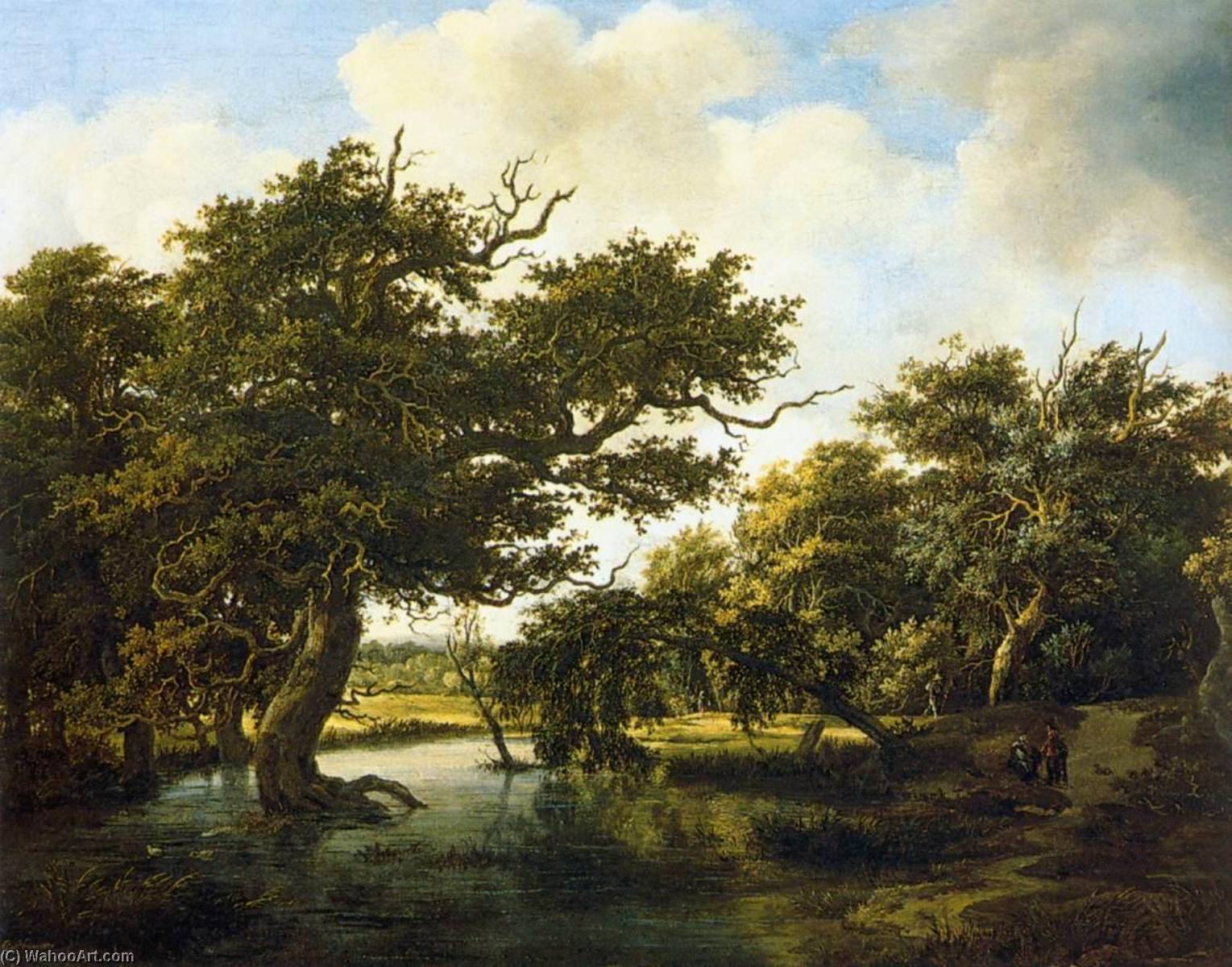
Marshy Wood
 Dutch Golden Age
 1660
1660 69.0 x 90.0 cm
 Читать далее
Приобретите цифровое изображение высокого разрешения в улучшенном качестве, которое значительно превосходит онлайн-превью.
Каждый файл тщательно подготавливается нашими специалистами с использованием передовых инструментов и экспертной ручной ретуши. Мы гарантируем исключительную четкость, точную цветопередачу и детальную проработку каждого изображения.
Финальный файл доставляется по электронной почте в течение 72 часов и оптимизирован для немедленного использования в профессиональной среде, при верстке и печати. Это тот же уровень качества, которому доверяют ведущие дизайнерские студии, издательства и галереи.
Цифровое изображение
Скачайте файл высокого разрешения для личного использования, печати и творческих проектов. ( Перейти к печати Купить картину ручной работы)
Включено в каждый заказ цифровых изображений
Гарантия экспертной цифровой доставки
Выбирая ArtsDot.com, вы получаете не просто изображение — вы приобретаете профессионально обработанное цифровое произведение искусства, созданное с безупречной точностью и под защитой гарантии качества. Вот всё, что автоматически входит в ваш заказ:

Мгновенная доставка по e-mail
Ваш цифровой файл в высоком разрешении будет отправлен вам по электронной почте в течение 72 часов после оформления заказа — и сразу станет доступен для использования.

Цифровой файл с ИИ-улучшением
Ваше произведение искусства проходит профессиональную оптимизацию с использованием передовых инструментов ИИ и ручной обработки, что гарантирует максимальную детализацию, четкость и точность цветопередачи.

Бессрочная бесплатная повторная доставка
Случайно удалили или потеряли файл? Не беспокойтесь — мы отправим его вам повторно в любое время и совершенно бесплатно.

Без импортных пошлин — навсегда
Наслаждайтесь вашим произведением искусства мгновенно без таможенных пошлин, сборов или затрат на доставку — цифровые загрузки всегда не облагаются налогом.

Гарантия точности цветопередачи
Мы гарантируем, что ваше цифровое изображение максимально точно передает оригинальные цвета благодаря использованию профессиональных инструментов и систем управления цветом.

Гарантия удовлетворенности 100 дней
Если вы не будете удовлетворены своим цифровым изображением, мы внесем правки или вернем 100% стоимости в течение 100 дней — без лишних вопросов.

100% Гарантия возврата средств
Не удовлетворены покупкой? Получите полный возврат средств в течение 100 дней после получения цифрового файла — без лишних вопросов.

Скидки на оптовые заказы
Купите 3 изображения, сэкономьте 10% — Купите 5, сэкономьте 15% — Купите 10+, сэкономьте 20%. Отличное решение для творческих проектов, галерей и агентств.
Похожие произведения

Биография художника
Meindert Lubbertszoon Hobbema: The Painter of Tranquil Woodland
Meindert Lubbertszoon Hobbema stands as a cornerstone of Dutch Baroque landscape painting, recognized for his masterful depictions of serene woodland scenes and meticulously rendered rural vistas that embody the spirit of the Golden Age. Born in Amsterdam and baptized on 31 October 1638, Hobbema’s artistic journey was profoundly shaped by his early connection to the legendary Jacob van Ruisdael. Under the tutelage of this titan of Dutch landscape painting, Hobbema developed a collaborative bond that would define his stylistic evolution. Together, they embarked on sketching expeditions throughout the Netherlands, meticulously capturing atmospheric conditions and topographical features, establishing a tradition of plein air painting that prioritized a direct, intimate engagement with the natural world.
This formative experience instilled in Hobbema an unwavering commitment to realism and a profound appreciation for the subtle interplay of light and shadow. His early years were marked by a dedication to observing the nuances of the Dutch countryside, a practice that would eventually lead him to become one of the most celebrated landscape artists of his era. While much of his early life remains shrouded in the quietude of historical records, his artistic lineage is clear, rooted in the rigorous observation and meticulous detail championed by his mentor, Van Ruisdael.
A Legacy of Observation and Technique
Hobbema’s distinctive style is characterized by its remarkable clarity and precision, achieved through painstaking observation and meticulous brushwork. Unlike many of his contemporaries who favored idealized or mythological representations, Hobbema relentlessly pursued accuracy in portraying the natural landscape. His canvases often feature wooded paths, meadows bathed in soft sunlight, and watercourses reflecting the shifting sky. He famously employed a technique known as gezichtsblick, or “face view,” which involved positioning himself directly before his subject matter to capture its essence with unparalleled immediacy.
This approach resulted in works that felt vibrantly alive, imbued with an atmospheric depth that drew the viewer into the scene. His mastery of light and shadow—often utilizing chiaroscuro to create dimensionality—allowed him to transform simple rural vistas into profound meditations on nature. Whether depicting a sun-drenched forest clearing or a quiet watermill, Hobbema’s technical skill ensured that every leaf, branch, and ripple in the water contributed to a larger sense of harmony and balance.
Masterpieces and Artistic Evolution
As his career matured, Hobbema’s work began to exhibit a specialized focus that distinguished him from his master. While Van Ruisdael often explored more dramatic and turbulent landscapes, Hobbema became renowned for his "sunny forest scenes," characterized by roads opening through woods and glistening ponds nestled within fairly flat landscapes. This evolution toward a more tranquil and luminous aesthetic allowed him to capture a specific type of Dutch peace that resonated deeply with the era's sensibilities.
Several of his works remain enduring icons of the Dutch Golden Age:
- The Avenue at Middelharnis (1689): Perhaps his most famous achievement, this painting showcases a different side of his talent, presenting a structured and grand perspective that departs from his typical dense woodlands.
- Wooded Landscape (1662): A masterpiece of composition, where trees, birds, and clouds coalesce to create a sense of profound peacefulness.
- A Watermill beside a Woody Lane (1665): An exquisite example of his ability to integrate architectural elements into the lush, organic textures of the forest.
- A Watermill (1666): Housed in the Rijksmuseum, this work demonstrates his exceptional skill in using light and shadow to create a sense of depth and movement within a river setting.
Through these works, Hobbema achieved a historical significance that transcends mere representation. He did not merely paint the Netherlands; he captured the very soul of its landscape during a period of unprecedented prosperity and cultural flowering. His ability to find the extraordinary within the ordinary—the quiet beauty of a sunlit path or the stillness of a woodland glade—ensured his place in the pantheon of the great Dutch Masters, leaving behind a legacy of tranquility that continues to captivate art lovers centuries later.
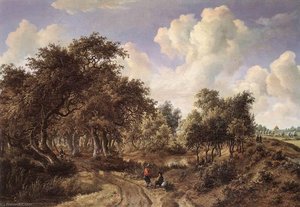
meyndert hobbema
1638 - 1709
Основные сведения
- Artistic Movement Or Style: Dutch Baroque
- Artists Or Movements Influenced By This Artist: ['Dutch Landscape Painting']
- Artists Who Influenced This Artist: ['Jacob van Ruisdael']
- Date Of Birth: October 31, 1638
- Date Of Death: December 7, 1709
- Full Name: Meindert Lubbertszoon Hobbema
- Nationality: Dutch
- Notable Artworks:
- The Avenue at Middelharnis
- A Watermill beside a Woody Lane
- Place Of Birth: Amsterdam, Netherlands