

 Предпросмотр
 Поделиться
 Поделиться
 Детали произведения

 Скачать
 Похожие работы
 Рентгенография
 Слайд-шоу
 Статистика
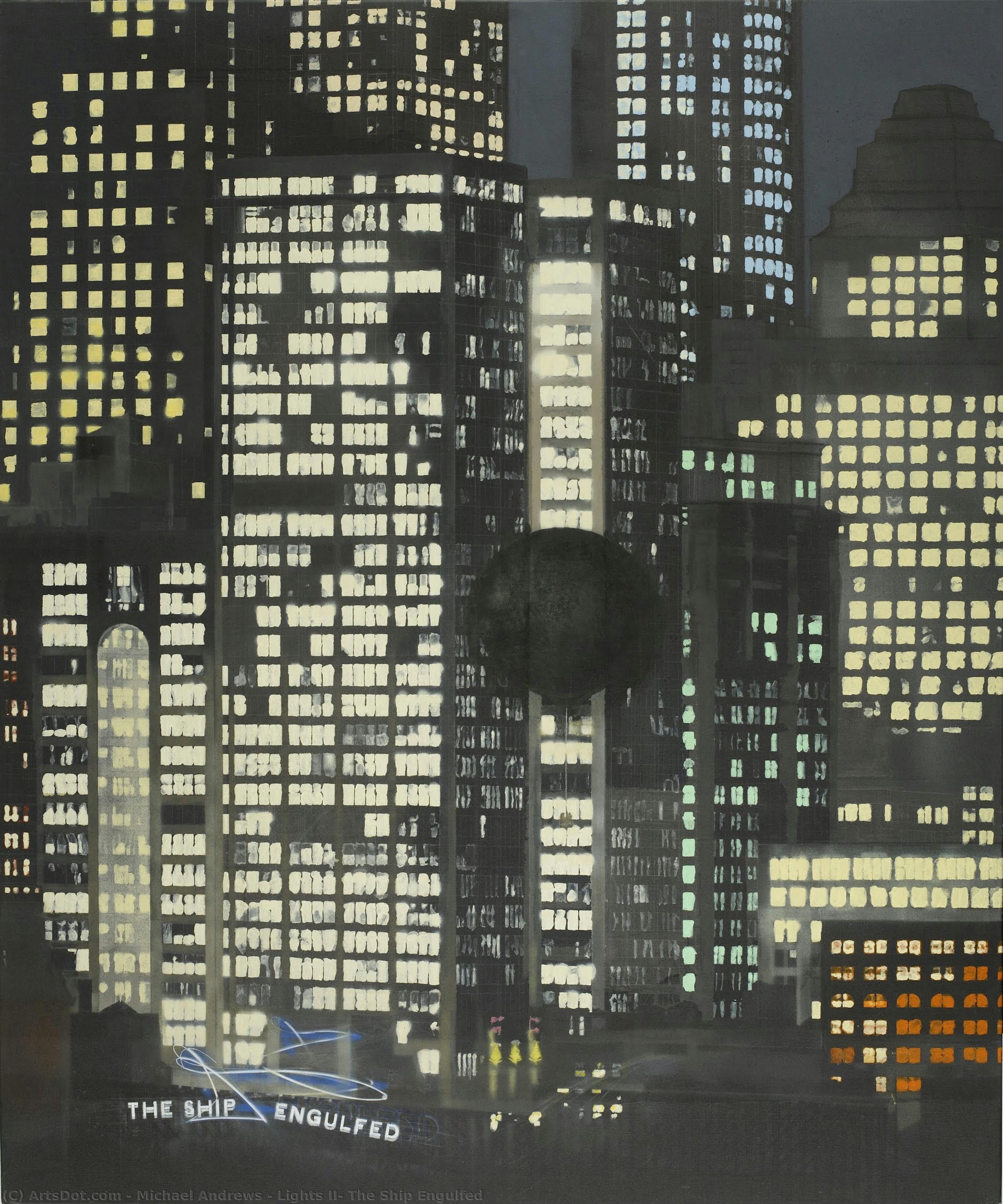
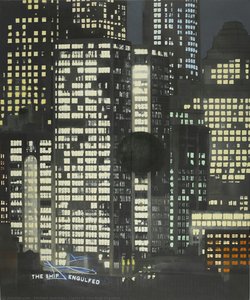
Lights II: The Ship Engulfed
 Surrealism
 1972
1972 183.0 x 152.0 cm
 Arts Council Collection
 Читать далее
Масляная репродукция ручной работы
Картина маслом на холсте в выбранном вами размере и раме, написанная на заказ нашими художниками. ( Перейти к печати Перейти к цифровым изображениям)




































Выберите один из наших стандартных размеров, соответствующих оригинальным пропорциям произведения искусства.

Вы можете указать собственные размеры, чтобы картина идеально вписалась в выбранную раму или пространство. Если выбранный вами размер не соответствует пропорциям оригинала, мы либо обрежем полотно, либо расширим его за счет дополнительных элементов, написанных вручную. Цифровой макет будет отправлен вам на утверждение перед началом производства.
Обратите внимание, что предварительный просмотр на экране не отражает фактическую обрезку или расширение. Только макет точно покажет окончательную композицию.
Хотя доступны индивидуальные размеры, мы рекомендуем выбирать вариант из предопределенного списка, чтобы сохранить исходные пропорции.
После оформления заказа команда ArtsDot.com свяжется с клиентом по электронной почте для уточнения деталей и предоставит предварительный макет
Доставка по всему миру () за 3–4 недели вместо стандартных 5 недель. (11 Сентябрь). Без компромиссов в качестве.

Бесплатная экспресс-доставка по всему миру

Высококачественный льняной холст

Полное страхование доставки

Гарантия возмещения таможенных пошлин

Гарантия точного соответствия цветов

100-дневная политика возврата (только при обнаружении дефектов)

Гарантия возврата 100% средств

Предложение оптовых скидок
 Вариант со стеклом доступен только для размеров менее 110 см

Lights II: The Ship Engulfed
Техника репродукции
Размер репродукции
-


Итоговая стоимость
$ 263
Похожие произведения



Биография художника
A Visionary of Light and Atmosphere
The art of Michael Andrews (1928–1995) exists in a delicate space between the tangible world and the ethereal realm of thought. A British painter of profound technical mastery, Andrews possessed a rare ability to infuse landscapes and social scenes with a sense of psychological depth and luminous energy. Born in Norwich, England, his early artistic sensibilities were nurtured within the halls of the Norwich School of Fine Art, where a natural talent began to coalesce into a sophisticated modernist vision. His formative years were defined by an engagement with the dynamic rhythms of Vorticism, which he would later soften with a lyrical, almost dreamlike approach to the natural world.
His education at the Slade School of Fine Art served as a crucible for his development, placing him alongside legendary figures such as Lucian Freud and William Coldstream. This period of intense study under masters like Lawrence Gowing and William Townsend provided him with a rigorous foundation in draughtsmanship and observation. However, it was perhaps his time spent in Egypt during his National Service that truly expanded his chromatic palette, introducing him to the vibrant textures and searing light of the desert—elements that would forever haunt the periphery of his compositions.
The Symbology of the Self and the City
As Andrews’ career progressed, his work moved away from the immediate social observations of London's nightlife toward more profound, symbolic explorations. He became deeply fascinated by the concept of the "skin-encapsulated ego," a psychological notion that found its visual manifestation in his celebrated Lights series. In these works, created between 1970 and 1974, Andrews utilized the motif of a balloon drifting through urban landscapes to represent the fragile, floating nature of human consciousness. Inspired by the Symbolist poetry of Arthur Rimbaud, specifically Les Illuminations, these paintings sought to capture a state of enlightenment and an objective, unselfconscious vision of the world.
The imagery within this series is both haunting and beautiful, often featuring balloons suspended over neon-lit streets or amidst vast, atmospheric vistas. This period of his work demonstrates a remarkable synthesis of realism and fantasy, where the boundaries between the physical environment—such as the bright lights of Toronto or the rural stretches of Gloucestershire—and the internal landscape of the mind begin to dissolve. His ability to manipulate light, making it appear both as a source of external illumination and an internal spiritual glow, remains one of his most enduring legacies.
Legacy and Artistic Significance
Throughout his decades-long career, Andrews remained a figure of immense respect among his peers, moving through various artistic circles including the Norwich Twenty Group and teaching at prestigious institutions like the Slade and Chelsea Schools of Art. His versatility allowed him to navigate diverse subject matters, from formal portraiture and intimate depictions of social gatherings to expansive, surrealist landscapes featuring tropical fish or the iconic Ayers Rock in Australia.
The historical significance of Michael Andrews lies in his refusal to be tethered to a single movement. Instead, he created a personal visual language that bridged the gap between the structured discipline of postwar British realism and a more fluid, emotive modernism. His contributions are preserved in some of the world's most esteemed collections, including the Tate Gallery, ensuring that his unique exploration of light, memory, and the human spirit continues to resonate with viewers long after his passing.
michael andrews
1928 - 1995
Основные сведения
- Artistic Movement Or Style: Vorticism
- Artists Or Movements Influenced By This Artist: ['Eduardo Paolozzi']
- Artists Who Influenced This Artist:
- William Coldstream
- Lucian Freud
- Date Of Birth: October 30, 1928
- Date Of Death: July 19, 1995
- Full Name: Michael James Andrews
- Nationality: British
- Notable Artworks:
- A Man Who Suddenly Fell Over
- Sax Ad 832
- Place Of Birth: Norwich, England
Похожие статьи

Джон Констебль: 25 шедевров английского пейзажа для вашего интерьера
Погрузитесь в мир английского пейзажа с Джоном Констеблом! 25 шедевров романтизма, история создания картин и вдохновение для вашего интерьера. Репродукции высокого качества на ArtsDot.com – искусство для ценителей.

Романтический пейзаж: 10 шедевров, изменивших искусство | ArtsDot.com
Погрузитесь в мир романтического пейзажа! 10 шедевров Фридриха, Тёрнера и других гениев. Узнайте историю создания культовых картин и вдохновитесь для декора интерьера. Репродукции высокого качества на ArtsDot.com.
Evocations of Place: A Historical Journey Through Landscape Art
Explore the rich history of landscape art with ArtsDot. Discover renowned artists, movements like Impressionism & tonalism, and expert guidance for collecting timeless pieces. Find your perfect serene escape today!

Evocations of Place: A Historical Journey Through Landscape Art
Explore the rich history of landscape art with ArtsDot. Discover renowned artists, movements like Impressionism & Romanticism, and expert guidance for collecting timeless pieces. Find your perfect serene escape today!

Топ-25 шедевров Кацусики Хокусая: Искусство Японии для вашего интерьера
Погрузитесь в мир гения Кацусики Хокусая! 25 легендарных гравюр укиё-э, включая "Великую волну". История искусства Японии и вдохновение для вашего интерьера. Репродукции высокого качества на ArtsDot.com.