

 Предпросмотр
 Поделиться
 Поделиться
 Детали произведения

 Скачать
 Похожие работы
 Рентгенография
 Слайд-шоу
 Статистика
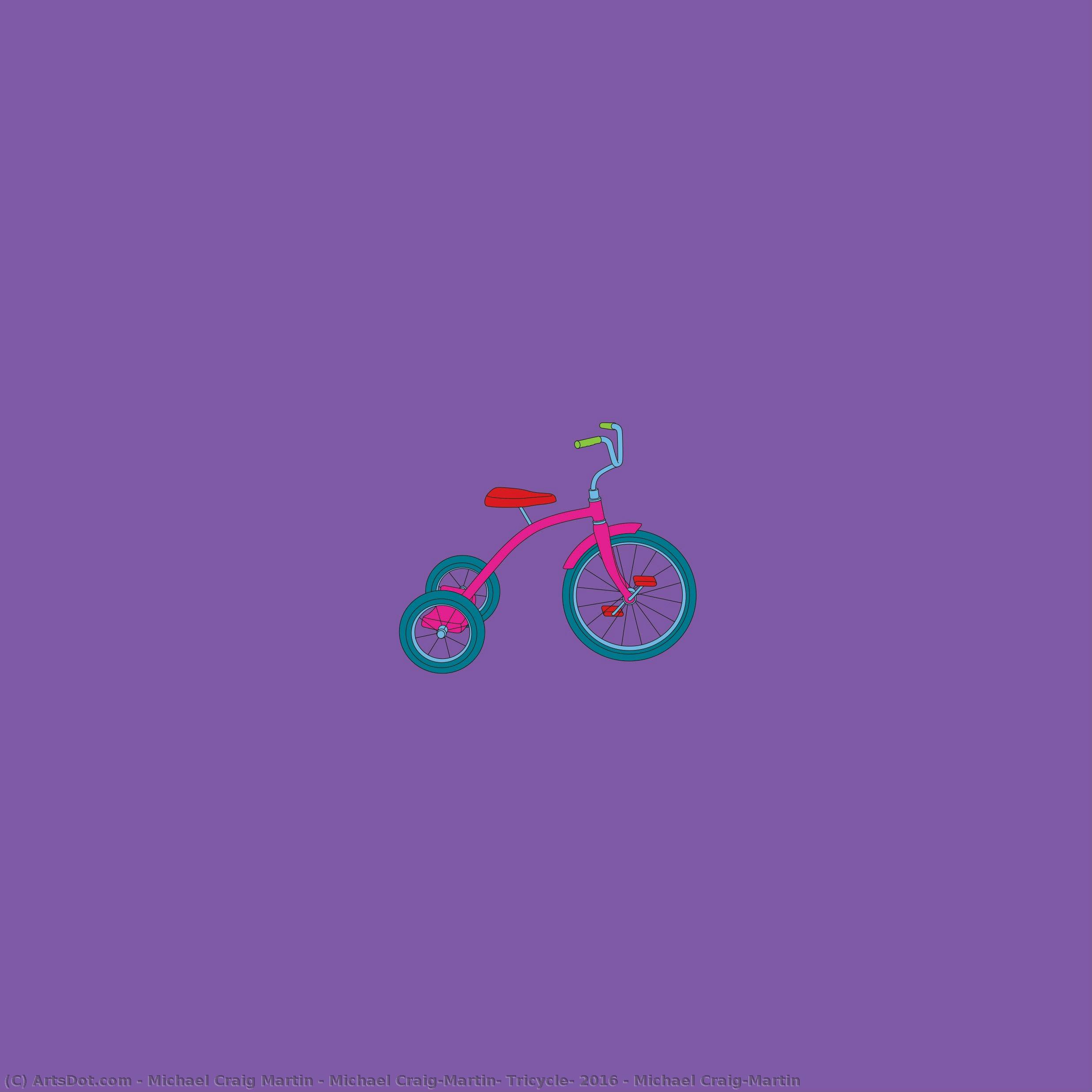
Michael Craig-Martin, Tricycle, 2016 © Michael Craig-Martin
 Acrylic On Canvas
- WallArt
- Contemporary Realism
 2016
2016- Modern
 200.0 x 200.0 cm
 the-foundling-museum
 Читать далее
Приобретите цифровое изображение высокого разрешения в улучшенном качестве, которое значительно превосходит онлайн-превью.
Каждый файл тщательно подготавливается нашими специалистами с использованием передовых инструментов и экспертной ручной ретуши. Мы гарантируем исключительную четкость, точную цветопередачу и детальную проработку каждого изображения.
Финальный файл доставляется по электронной почте в течение 72 часов и оптимизирован для немедленного использования в профессиональной среде, при верстке и печати. Это тот же уровень качества, которому доверяют ведущие дизайнерские студии, издательства и галереи.
Цифровое изображение
Скачайте файл высокого разрешения для личного использования, печати и творческих проектов. ( Перейти к печати Купить картину ручной работы)
Включено в каждый заказ цифровых изображений
Гарантия экспертной цифровой доставки
Выбирая ArtsDot.com, вы получаете не просто изображение — вы приобретаете профессионально обработанное цифровое произведение искусства, созданное с безупречной точностью и под защитой гарантии качества. Вот всё, что автоматически входит в ваш заказ:

Мгновенная доставка по e-mail
Ваш цифровой файл в высоком разрешении будет отправлен вам по электронной почте в течение 72 часов после оформления заказа — и сразу станет доступен для использования.

Цифровой файл с ИИ-улучшением
Ваше произведение искусства проходит профессиональную оптимизацию с использованием передовых инструментов ИИ и ручной обработки, что гарантирует максимальную детализацию, четкость и точность цветопередачи.

Бессрочная бесплатная повторная доставка
Случайно удалили или потеряли файл? Не беспокойтесь — мы отправим его вам повторно в любое время и совершенно бесплатно.

Без импортных пошлин — навсегда
Наслаждайтесь вашим произведением искусства мгновенно без таможенных пошлин, сборов или затрат на доставку — цифровые загрузки всегда не облагаются налогом.

Гарантия точности цветопередачи
Мы гарантируем, что ваше цифровое изображение максимально точно передает оригинальные цвета благодаря использованию профессиональных инструментов и систем управления цветом.

Гарантия удовлетворенности 100 дней
Если вы не будете удовлетворены своим цифровым изображением, мы внесем правки или вернем 100% стоимости в течение 100 дней — без лишних вопросов.

100% Гарантия возврата средств
Не удовлетворены покупкой? Получите полный возврат средств в течение 100 дней после получения цифрового файла — без лишних вопросов.

Скидки на оптовые заказы
Купите 3 изображения, сэкономьте 10% — Купите 5, сэкономьте 15% — Купите 10+, сэкономьте 20%. Отличное решение для творческих проектов, галерей и агентств.
Michael Craig-Martin’s *Tricycle*: A Study in Minimalism and Memory
Michael Craig-Martin's Tricycle (2016) is more than just a depiction of a child’s toy; it’s a carefully constructed meditation on absence, remembrance, and the enduring traces left behind by those who came before. Commissioned for The Foundling Museum in London, this striking artwork directly responds to the institution's unique history – a place dedicated to caring for abandoned children during the 18th and 19th centuries. Martin’s signature style, characterized by bold geometric forms and a deliberate rejection of illusionistic depth, is powerfully employed here, creating an image that feels both utterly contemporary and deeply rooted in historical narrative.
A Bold Statement Against Portraiture
The painting's impact is immediately arresting. Against a solid field of deep purple – a color suggestive of mystery and the unknown – sits a meticulously rendered tricycle. The design is strikingly simple: three wheels, a pink frame, a red seat, blue handlebars with yellow grips. Yet, within this apparent minimalism lies a profound statement. Martin deliberately avoids any reference to the children who were housed at the Foundling Hospital, choosing instead to focus on an object that would have been commonplace in their lives – a symbol of childhood freedom and exploration. This decision is particularly poignant given the gallery’s collection was dominated by portraits of the hospital's governors, effectively silencing the voices of those for whom the institution was created.
Technique and Style: The Craig-Martin Aesthetic
- Geometric Precision: Martin’s work is renowned for its unwavering commitment to geometric accuracy. Every line, every curve, every angle is rendered with absolute precision, creating a sense of intellectual rigor and detachment.
- Flatness and Two-Dimensionality: The deliberate avoidance of shading or depth reinforces this flatness, emphasizing the object's materiality while simultaneously distancing it from any illusionistic representation.
- Graphic Boldness: The use of saturated colors – pink, red, blue, yellow – contributes to the painting’s graphic intensity and visual impact. These bold hues are applied with a confident, almost aggressive stroke, further emphasizing the work's assertive presence.
Symbolism and Emotional Resonance
The tricycle itself is laden with symbolic weight. It represents childhood innocence, freedom, and the simple joys of exploration – qualities that were tragically denied to the children who passed through The Foundling Hospital. The painting’s starkness evokes a sense of melancholy and loss, prompting viewers to contemplate the stories behind the anonymous traces left by these forgotten individuals. It's a powerful reminder of the human cost of institutional care and the enduring impact of absence. Installed within the hospital’s eighteenth-century oak staircase, the artwork subtly connects with its physical surroundings, adding another layer of historical resonance.
Похожие произведения


![Csew — [ A Y S H ], Abstract Art](/media/artworks/images-thumb/cd/9d/cd9d022b5c05f69ae89fc16a58ee9ce7.jpg)


Биография художника
Robert Delaunay: A Pioneer of Color and Rhythm
Robert Delaunay, born Robert-Victor-Felix Delaunay in Paris on April 12, 1885, was a pivotal figure in the early development of modern art. His life, marked by both artistic innovation and personal drama, profoundly shaped the trajectory of movements like Orphism and Cubism. Initially apprenticed to a theatrical designer – a surprisingly formative experience that instilled an appreciation for composition and visual storytelling – Delaunay’s true passion lay in painting. He began his formal training at the Académie Julian, but quickly rejected academic constraints, seeking instead to explore new ways of representing reality through color and form. This desire led him to immerse himself in the vibrant world of Neo-Impressionism, a movement characterized by its meticulous application of small dots of pure color – an approach that would later inform his own groundbreaking style.The Birth of Orphism
Delaunay’s artistic evolution truly ignited around 1912, alongside his wife, Sonia Delaunay (née Natalia Bernstein). Together, they formed the “Section d'Or,” a collective that became synonymous with Orphism – a term coined by Apollinaire to describe their distinctive style. Rejecting the fragmented forms of Cubism, Delaunay and Sonia sought to capture the essence of light and movement through dynamic arrangements of overlapping circles, squares, and rectangles, all bathed in intense, often clashing, colors. This wasn’t merely decorative; it was a deliberate attempt to evoke emotional responses directly from the viewer's senses. Their work moved beyond representation, focusing instead on the pure experience of color and its rhythmic interplay. The influence of Paul Cezanne is evident in their exploration of geometric forms and spatial relationships, but Delaunay pushed these ideas further, prioritizing color as the primary organizing principle.Key Works and Techniques
Delaunay’s most celebrated works include his series of “Panels” – monumental canvases featuring large, circular discs arranged in complex, rhythmic patterns. These pieces, often executed with assistants, demonstrate a remarkable mastery of scale and color harmony. The "Endless Rhythm" series, particularly the iconic *Blue Window* (1913), exemplifies this approach, utilizing a dazzling array of blues, yellows, and whites to create an illusion of perpetual movement. His later works, such as the vast panels for the Aeronautics pavilion at the 1937 Paris International Exhibition – featuring vibrant reds, oranges, and yellows – further cemented his reputation as a master of color orchestration. Delaunay’s technique involved layering colors directly onto the canvas, often using a palette knife to build up thick impasto textures that intensified the visual impact. He was also deeply interested in exploring the relationship between art and architecture, evident in his designs for furniture and textiles, which shared the same principles of geometric abstraction and vibrant color.Influence and Legacy
Delaunay’s influence extends far beyond his own immediate circle. His pioneering use of color as a primary expressive element paved the way for later movements like Abstract Expressionism and Color Field painting. His exploration of rhythm, movement, and spatial relationships anticipated developments in kinetic art and design. Furthermore, his collaboration with Sonia Delaunay – who developed her own distinct style known as “Suprematism” – created a powerful artistic partnership that enriched both their individual practices. Robert Delaunay’s work continues to resonate today, inspiring artists and designers alike with its bold experimentation and profound exploration of the visual world. His legacy is not simply one of stylistic innovation but also of a radical reimagining of the role of color in art.A Life Interrupted
Robert Delaunay’s life was tragically cut short on October 25, 1941, during World War II. He died in Montpellier, France, while serving as a volunteer driver for the Red Cross. Despite his untimely death, Delaunay's artistic vision endured, and his paintings continue to be exhibited and admired worldwide. His work stands as a testament to the power of color, form, and rhythm—a vibrant reminder of an artist who dared to break new ground in the realm of modern art.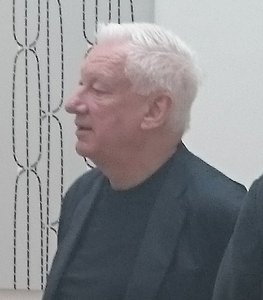
michael craig martin
1941 - , Ireland
Основные сведения
- Artistic Movement Or Style:
- Divisionism
- Cubism
- Orphic Cubism
- Simultanism
- Artists Or Movements Influenced By This Artist:
- Klee
- Marc
- Apolinaire
- Artists Who Influenced This Artist:
- Neo-Impressionism
- Cézanne
- Metzinger
- Date Of Birth: 1885-04-12
- Date Of Death: 1941-10-25
- Full Name: Robert Delaunay
- Nationality: French
- Notable Artworks:
- Endless Rhythm
- The Eiffel Tower
- Cityscapes
- Place Of Birth: Paris, France