

 Предпросмотр
 Поделиться
 Поделиться
 Детали произведения

 Скачать
 Похожие работы
 Рентгенография
 Слайд-шоу
 Статистика
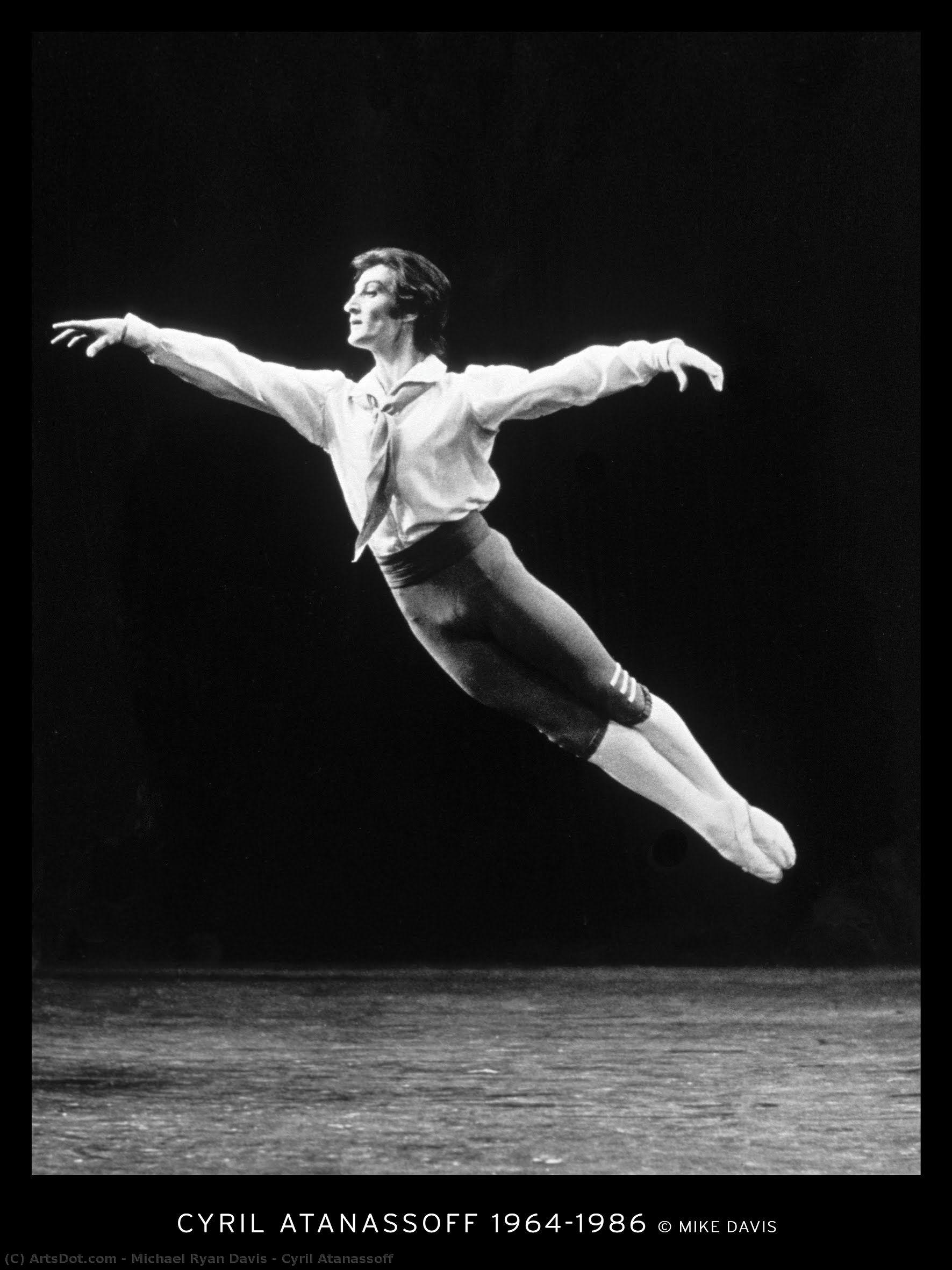
Cyril Atanassoff

 Читать далее
Масляная репродукция ручной работы
Картина маслом на холсте в выбранном вами размере и раме, написанная на заказ нашими художниками. ( Перейти к печати Перейти к цифровым изображениям)




































Выберите один из наших стандартных размеров, соответствующих оригинальным пропорциям произведения искусства.

Вы можете указать собственные размеры, чтобы картина идеально вписалась в выбранную раму или пространство. Если выбранный вами размер не соответствует пропорциям оригинала, мы либо обрежем полотно, либо расширим его за счет дополнительных элементов, написанных вручную. Цифровой макет будет отправлен вам на утверждение перед началом производства.
Обратите внимание, что предварительный просмотр на экране не отражает фактическую обрезку или расширение. Только макет точно покажет окончательную композицию.
Хотя доступны индивидуальные размеры, мы рекомендуем выбирать вариант из предопределенного списка, чтобы сохранить исходные пропорции.
После оформления заказа команда ArtsDot.com свяжется с клиентом по электронной почте для уточнения деталей и предоставит предварительный макет
Доставка по всему миру () за 3–4 недели вместо стандартных 5 недель. (12 Сентябрь). Без компромиссов в качестве.

Бесплатная экспресс-доставка по всему миру

Высококачественный льняной холст

Полное страхование доставки

Гарантия возмещения таможенных пошлин

Гарантия точного соответствия цветов

100-дневная политика возврата (только при обнаружении дефектов)

Гарантия возврата 100% средств

Предложение оптовых скидок
 Вариант со стеклом доступен только для размеров менее 110 см

Cyril Atanassoff
Техника репродукции
Размер репродукции
-


Итоговая стоимость
$ 263
Похожие произведения




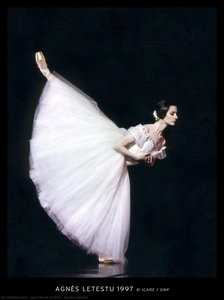

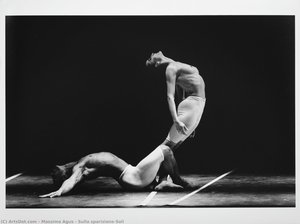
Биография художника
A Life Excavating the Future: Michael Ryan Davis (1946–2022)
Michael Ryan Davis, known widely as Mike Davis, was a uniquely vital voice in American intellectual and political life for over five decades. Born March 10, 1946, in Fontana, California, his journey from working-class roots to become a celebrated writer, historian, activist, and urban theorist defied easy categorization. He passed away on October 25, 2022, leaving behind a body of work that continues to challenge conventional understandings of power, class, and the very fabric of modern cities. Davis wasn’t simply an observer of societal shifts; he was a relentless excavator, unearthing hidden histories and exposing the often-brutal realities beneath polished narratives of progress. His early life in Southern California profoundly shaped his perspective. Raised in Bostonia, a small agricultural community outside El Cajon, he described himself as a “redneck” steeped in a conservative culture yet acutely aware of the racial tensions simmering beneath the surface. This upbringing, coupled with his father’s union activism and his mother's strength, instilled in him a deep sense of social justice and a skepticism towards authority. A brief stint working as a butcher after high school, necessitated by his father’s illness, proved formative, exposing him to the harsh realities of labor and sparking an initial involvement in political organizing through connections made with civil rights activists.From Activism to Intellectual Inquiry
Davis's path wasn’t linear. After a short period at Reed College, he found himself drawn into the burgeoning activist movements of the 1960s, working with Students for a Democratic Society and eventually relocating to Los Angeles. This immersion in grassroots organizing fueled his intellectual curiosity, leading him to question dominant historical accounts and seek out alternative perspectives. He became deeply involved in researching the history of Los Angeles, a city he saw as both a microcosm of American contradictions and a harbinger of future urban challenges. This research culminated in his breakthrough work, City of Quartz: Excavating the Future in Los Angeles (1990). The book wasn’t merely a historical account; it was an anatomy of power, revealing how real estate speculation, political maneuvering, and racial discrimination had shaped the city's landscape and social structure. City of Quartz challenged the romanticized image of Los Angeles as a sun-drenched paradise, exposing its dark underbelly of inequality and exploitation. It became an instant classic, influencing generations of scholars, activists, and urban planners.Themes of Class, Disaster, and Global Capitalism
Davis’s subsequent work continued to explore these themes with unflinching honesty and rigorous scholarship. Ecology of Fear: Los Angeles and the Imagination of Disaster (1998) examined the city's relationship with natural disasters—earthquakes, floods, wildfires—arguing that they weren’t simply random occurrences but were inextricably linked to urban development patterns and social vulnerabilities. Late Victorian Holocausts: El Niño Famines and the Making of the Third World (2001) broadened his scope, revealing how global capitalism had created conditions for devastating famines in the late 19th century. Planet of Slums (2006) offered a chilling vision of a future dominated by sprawling slums and a growing underclass, driven by neoliberal policies and unchecked urbanization. His final two books, Set the Night on Fire: L.A. in the Sixties, co-authored with Jon Wiener, and The Monster Enters: COVID-19, Avian Flu, and the Plagues of Capitalism (2022), demonstrated his continued relevance, connecting historical patterns of social unrest and disease outbreaks to contemporary crises.A Legacy of Critical Inquiry
Davis’s work was characterized by its interdisciplinary approach, drawing on history, geography, economics, sociology, and literature. He wasn't afraid to challenge established orthodoxies or engage in polemical debate. His writing style was often provocative and uncompromising, reflecting his deep-seated anger at social injustice. He inspired a generation of scholars and activists to think critically about the forces shaping our world.- His influence extended beyond academia, informing urban planning debates, activist strategies, and popular understandings of cities.
- Davis’s work consistently emphasized the importance of class struggle and collective action as a means of challenging capitalist power structures.
- He was a staunch advocate for social justice and a tireless critic of inequality.
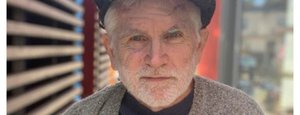
michael ryan davis
1946 - 2022 , United States of America
Основные сведения
- Artistic Movement Or Style: Urban Theory, Social Critique
- Date Of Birth: March 10, 1946
- Date Of Death: October 25, 2022
- Full Name: Michael Ryan Davis
- Nationality: American
- Notable Artworks:
- City of Quartz
- Late Victorian Holocausts
- Set the Night on Fire
- Place Of Birth (City And Country): Fontana, USA