

 Предпросмотр
 Поделиться
 Поделиться
 Детали произведения

 Скачать
 Похожие работы
 Рентгенография
 Слайд-шоу
 Статистика
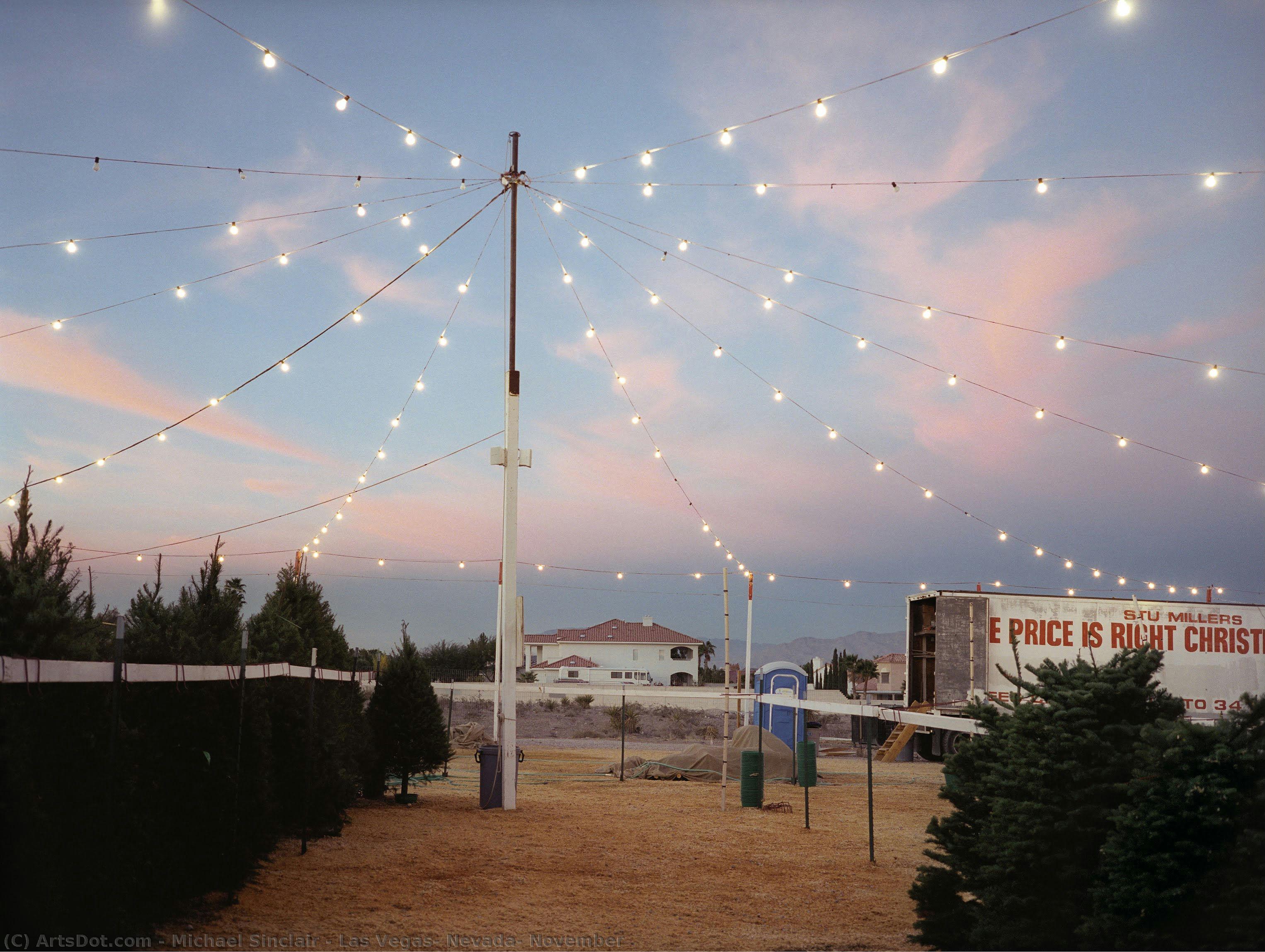
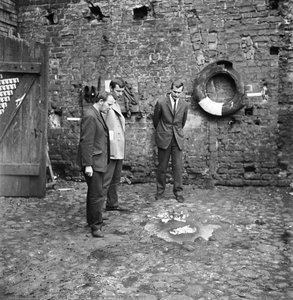
Las Vegas, Nevada, November


 Читать далее
Приобретите цифровое изображение высокого разрешения в улучшенном качестве, которое значительно превосходит онлайн-превью.
Каждый файл тщательно подготавливается нашими специалистами с использованием передовых инструментов и экспертной ручной ретуши. Мы гарантируем исключительную четкость, точную цветопередачу и детальную проработку каждого изображения.
Финальный файл доставляется по электронной почте в течение 72 часов и оптимизирован для немедленного использования в профессиональной среде, при верстке и печати. Это тот же уровень качества, которому доверяют ведущие дизайнерские студии, издательства и галереи.
Цифровое изображение
Скачайте файл высокого разрешения для личного использования, печати и творческих проектов. ( Перейти к печати Купить картину ручной работы)
Включено в каждый заказ цифровых изображений
Гарантия экспертной цифровой доставки
Выбирая ArtsDot.com, вы получаете не просто изображение — вы приобретаете профессионально обработанное цифровое произведение искусства, созданное с безупречной точностью и под защитой гарантии качества. Вот всё, что автоматически входит в ваш заказ:

Мгновенная доставка по e-mail
Ваш цифровой файл в высоком разрешении будет отправлен вам по электронной почте в течение 72 часов после оформления заказа — и сразу станет доступен для использования.

Цифровой файл с ИИ-улучшением
Ваше произведение искусства проходит профессиональную оптимизацию с использованием передовых инструментов ИИ и ручной обработки, что гарантирует максимальную детализацию, четкость и точность цветопередачи.

Бессрочная бесплатная повторная доставка
Случайно удалили или потеряли файл? Не беспокойтесь — мы отправим его вам повторно в любое время и совершенно бесплатно.

Без импортных пошлин — навсегда
Наслаждайтесь вашим произведением искусства мгновенно без таможенных пошлин, сборов или затрат на доставку — цифровые загрузки всегда не облагаются налогом.

Гарантия точности цветопередачи
Мы гарантируем, что ваше цифровое изображение максимально точно передает оригинальные цвета благодаря использованию профессиональных инструментов и систем управления цветом.

Гарантия удовлетворенности 100 дней
Если вы не будете удовлетворены своим цифровым изображением, мы внесем правки или вернем 100% стоимости в течение 100 дней — без лишних вопросов.

100% Гарантия возврата средств
Не удовлетворены покупкой? Получите полный возврат средств в течение 100 дней после получения цифрового файла — без лишних вопросов.

Скидки на оптовые заказы
Купите 3 изображения, сэкономьте 10% — Купите 5, сэкономьте 15% — Купите 10+, сэкономьте 20%. Отличное решение для творческих проектов, галерей и агентств.
Похожие произведения


Биография художника
Georg Baselitz: A Life Sculpted in Inversion
Born Hans-Georg Kern in Deutschbaselitz, a small village in the Upper Lusatia region of Germany, on January 23rd, 1938, Georg Baselitz’s early life was profoundly shaped by the devastation and displacement wrought by World War II. This experience—the destruction of his hometown, the loss of community, and the lingering sense of a fractured order—became a central, recurring theme in his work, informing not just subject matter but also his distinctive artistic approach. Growing up amidst the rubble and remnants of a shattered society instilled within him a deep questioning of established norms and a desire to forge his own path, a sentiment that would ultimately manifest in his revolutionary technique of painting upside down.
Baselitz’s formal art education began at the local school in Kamenz, where he was captivated by reproductions of Louis-Ferdinand von Rayski's 1859 painting *Wermsdorfer Wald*. This encounter with Realist landscape painting ignited a passion for drawing and observation, laying the groundwork for his later explorations of figurative representation. Despite being rejected from the Kunstakademie in Dresden, he persevered and enrolled at the Hochschule für Bildende und Angewandte Kunst in East Berlin, where he honed his skills under influential professors. However, it was not simply technical proficiency that defined his early artistic development; Baselitz’s intellectual curiosity extended beyond the realm of painting, drawing inspiration from figures like Jakob Böhme, a 17th-century German mystic and philosopher whose ideas about inner vision and the dissolution of the self resonated deeply with the artist.
The Birth of a Unique Style: Upside Down Painting
A pivotal moment in Baselitz’s artistic trajectory arrived in 1969, when he began to paint his subjects upside down. This seemingly radical decision was not born out of mere aesthetic experimentation but rather a deliberate attempt to dismantle the representational conventions that had previously governed his work. Frustrated with the perceived artificiality and emotional distance inherent in traditional portraiture, Baselitz sought to bypass the intellect and tap directly into the subconscious. By inverting his paintings, he aimed to strip away the mediating role of conscious thought, allowing the image to emerge from a more primal, intuitive source.
This technique wasn’t simply about flipping an image; it represented a fundamental shift in Baselitz's artistic process. He would often begin with a rough sketch on a large sheet of paper, working quickly and instinctively before turning it over and continuing the painting from the reverse side. This method created a sense of immediacy and spontaneity, as if the images were being revealed rather than deliberately constructed. The resulting paintings are characterized by their raw energy, fragmented forms, and often unsettling emotional intensity – a direct reflection of the turbulent experiences that shaped his life.
Influences and Artistic Language
Baselitz’s artistic language is remarkably eclectic, drawing upon a diverse range of influences—from Soviet era illustration art and the Mannerist period to African sculptures. The stark simplicity and expressive power of Soviet-era posters, with their bold lines and flattened forms, undoubtedly played a role in shaping his early style. Similarly, the elongated figures and distorted perspectives of Mannerist painting provided a precedent for his later explorations of scale and proportion. The rhythmic patterns and symbolic imagery found in African sculpture offered another source of inspiration, informing his use of line and gesture to convey meaning.
Furthermore, Baselitz’s work is deeply rooted in the concept of “naive art,” characterized by its directness, lack of technical skill, and often dreamlike quality. This influence can be seen in his early paintings, which resemble folk art or children's drawings—a deliberate rejection of academic conventions and a return to a more primal mode of expression. However, unlike naive artists who typically depict idyllic scenes, Baselitz’s work is often imbued with a sense of melancholy, anxiety, and existential questioning.
Legacy and Recognition
Despite initial skepticism from the art establishment, Georg Baselitz quickly gained international recognition for his groundbreaking technique and powerfully expressive paintings. Exhibitions in major museums and galleries around the world cemented his place as one of the most important artists of the late 20th century. His work has been praised for its originality, emotional depth, and profound engagement with themes of identity, memory, and the human condition.
Baselitz’s influence extends far beyond the realm of painting; he has also created sculptures, graphic works, and installations, further expanding the scope of his artistic practice. His commitment to experimentation and his willingness to challenge conventional notions of art have made him a pivotal figure in the Neo-Expressionist movement and continue to inspire artists today. As an artist who consistently questioned established norms and forged his own unique path, Georg Baselitz remains a compelling testament to the power of individual vision and artistic innovation.

michael sinclair
1938 - 2017 , United Kingdom
Основные сведения
- Artistic Movement Or Style: Neo-Expressionism
- Artists Or Movements Influenced By This Artist: ['Gerhard Richter']
- Artists Who Influenced This Artist:
- Soviet illustration art
- Mannerist period
- African sculptures
- Date Of Birth: January 23, 1938
- Full Name: Georg Baselitz
- Nationality: German
- Notable Artworks:
- Where is the Yellow Milkjug
- Mrs Bird?
- Place Of Birth: Deutschbaselitz, Germany