

 Предпросмотр
 Поделиться
 Поделиться
 Детали произведения

 Скачать
 Похожие работы
 Рентгенография
 Слайд-шоу
 Статистика
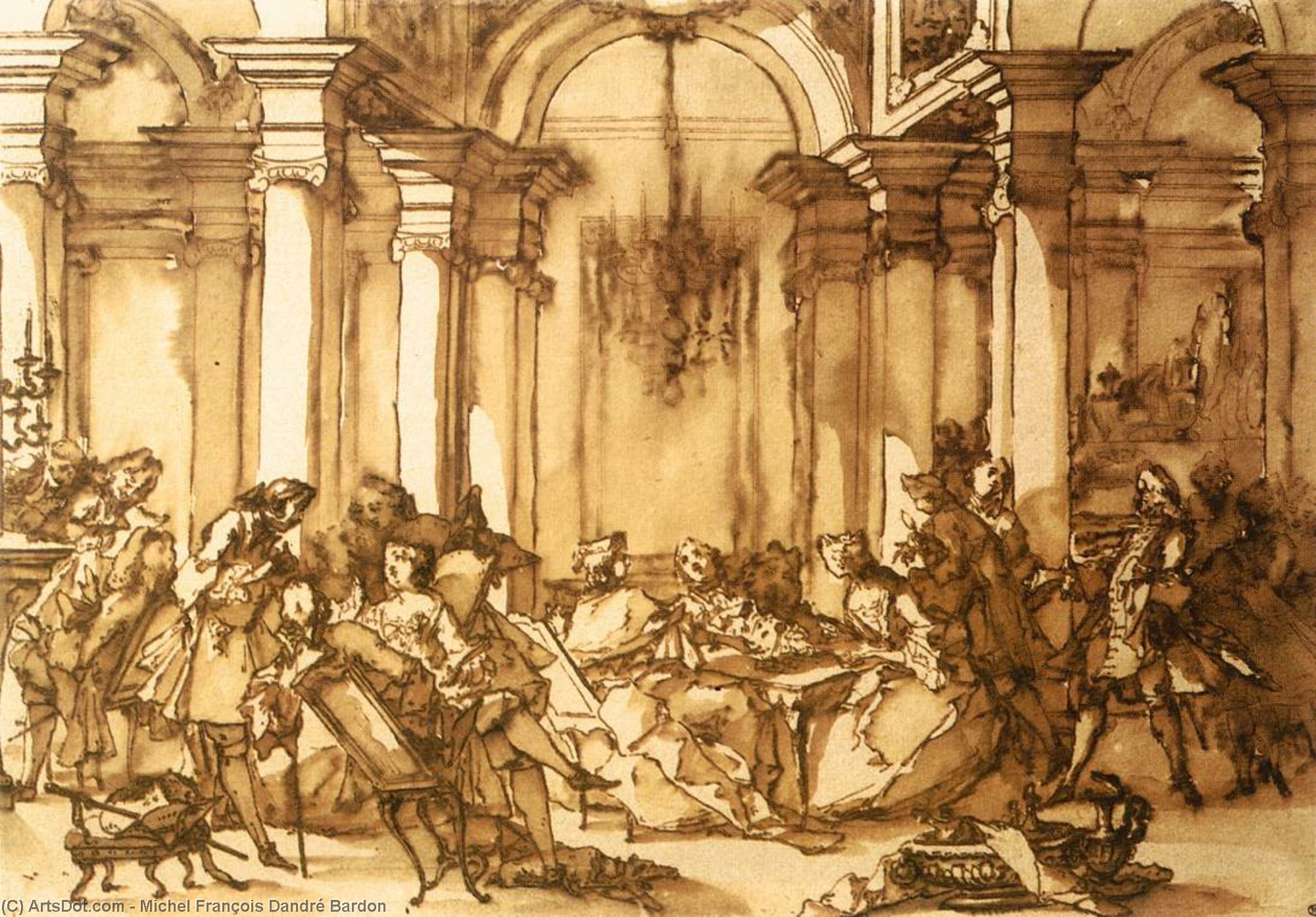
Salon Scene


 Читать далее
Масляная репродукция ручной работы
Картина маслом на холсте в выбранном вами размере и раме, написанная на заказ нашими художниками. ( Перейти к печати Перейти к цифровым изображениям)




P118B $10

P118H $10

P118W $10

P438Z $10

P508JH $12

P508YH $12

P805H $10

P805Z $10

P919BZ $10

P919G $10

P919XJ $10

P959ZH $10

P968JZ $12

W106C $8

W218G $10

W218JH $8

W218Y $10

W307PJ $10

W316G $10

W316PJ $8

W316Y $10

W398PJ $8

W4111J $10

W500HY $15

W500JH $15

W692G $12

W849H $8

W940BG $15

W953PJ $8




Выберите один из наших стандартных размеров, соответствующих оригинальным пропорциям произведения искусства.

Вы можете указать собственные размеры, чтобы картина идеально вписалась в выбранную раму или пространство. Если выбранный вами размер не соответствует пропорциям оригинала, мы либо обрежем полотно, либо расширим его за счет дополнительных элементов, написанных вручную. Цифровой макет будет отправлен вам на утверждение перед началом производства.
Обратите внимание, что предварительный просмотр на экране не отражает фактическую обрезку или расширение. Только макет точно покажет окончательную композицию.
Хотя доступны индивидуальные размеры, мы рекомендуем выбирать вариант из предопределенного списка, чтобы сохранить исходные пропорции.
После оформления заказа команда ArtsDot.com свяжется с клиентом по электронной почте для уточнения деталей и предоставит предварительный макет
Доставка по всему миру () за 3–4 недели вместо стандартных 5 недель. (10 Сентябрь). Без компромиссов в качестве.

Бесплатная экспресс-доставка по всему миру

Высококачественный льняной холст

Полное страхование доставки

Гарантия возмещения таможенных пошлин

Гарантия точного соответствия цветов

100-дневная политика возврата (только при обнаружении дефектов)

Гарантия возврата 100% средств

Предложение оптовых скидок
 Вариант со стеклом доступен только для размеров менее 110 см

Salon Scene
Техника репродукции
Размер репродукции
-


Итоговая стоимость
$ 263
Michel François Dandré-Bardon’s Salon Scene: A Window into Eighteenth Century Parisian Society
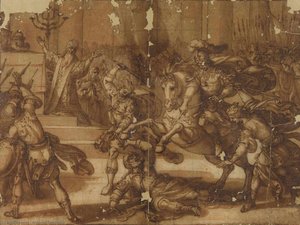
Michel François Dandré-Bardon (1700 – 1783) stands as a cornerstone of French Baroque painting and etching, embodying the grandeur and dramatic intensity that defined his era. Born in Aix-en-Provence, France, he descended from a family steeped in artistic heritage—a lineage that undoubtedly nurtured his innate talent for capturing emotion and conveying narrative power. His formative years were shaped by rigorous academic training under Jean-Baptiste vanloo and Joseph François de Troy, establishing him firmly within the influential Parisian art scene – a crucible of artistic innovation where stylistic conventions wrestled with burgeoning intellectual currents. The Salon Scene exemplifies Dandré-Bardon’s masterful command of Baroque technique. Executed in monochrome—primarily shades of brown and beige—the drawing utilizes meticulous hatching and crosshatching to achieve remarkable tonal gradation, lending it an aged patina that speaks volumes about its provenance as either a preparatory sketch or a finished work itself. This deliberate choice of palette underscores the artist’s commitment to conveying atmosphere and mood rather than merely representing visual reality; it's a technique favored by Baroque painters who sought to evoke psychological depth within their compositions. The drawing’s style leans heavily into classical influences, mirroring the architectural grandeur prevalent in Parisian salons during Dandré-Bardon’s lifetime—a space dedicated to intellectual discourse and artistic patronage. The composition itself is deliberately staged, capturing a bustling gathering of figures engaged in conversation and contemplation. Eight individuals populate the room, dressed in opulent attire indicative of their social standing – a visual testament to the hierarchical structure of eighteenth century France. Dandré-Bardon skillfully arranges these figures around columns adorned with classical sculptures and arches framing doorways, creating an illusionistic space that reinforces the sense of grandeur. Details like patterned rugs and scattered objects—a vase, musical instruments—further enrich the scene’s realism and contribute to its immersive quality. The artist's meticulous attention to detail extends beyond mere representation; he captures the subtle folds of clothing and textures of fabrics with painstaking accuracy, demonstrating a profound understanding of artistic materiality. Beyond its aesthetic merits, the Salon Scene offers a valuable glimpse into the cultural landscape of Dandré-Bardon’s time. Salons served as vital forums for disseminating ideas and influencing artistic tastes—places where artists debated stylistic trends and sought inspiration from literary figures and philosophers. Dandré-Bardon's depiction captures this spirit of intellectual exchange, reflecting the broader preoccupation with reason and aesthetics that characterized the Baroque period. The drawing’s subdued lighting enhances the drama of the scene, casting shadows that accentuate the contours of the architectural elements and figures alike—a stylistic choice characteristic of Baroque painters who aimed to heighten emotional impact through chiaroscuro. Ultimately, Dandré-Bardon's Salon Scene transcends mere visual representation; it is a conduit for understanding eighteenth century Parisian society and artistic sensibilities. Its enduring appeal lies in its ability to transport viewers back in time, allowing them to appreciate the artistry of a bygone era and contemplate the complexities of human interaction within a context of refined elegance and intellectual curiosity.Похожие произведения

Биография художника
Michel François Dandré-Bardon: A Baroque Visionary
Michel François Dandré-Bardon (1700 – 1783) stands as a prominent figure in French Baroque painting and etching, embodying the grandeur and dramatic intensity characteristic of his era. Born in Aix-en-Provence, France, he descended from a family steeped in artistic tradition, foreshadowing his own remarkable talent for capturing emotion and conveying narrative power. His formative years were marked by rigorous academic training under Jean-Baptiste vanloo and Joseph François de Troy, establishing him firmly within the influential Parisian art scene.- Early Life & Training: Dandré-Bardon’s upbringing instilled in him a dedication to scholarly pursuits alongside artistic inclinations. He studied jurisprudence at Paris University, demonstrating a balanced intellect that would later inform his artistic vision. Recognizing his innate aptitude for drawing and painting, he pursued formal instruction with vanloo and Troy, absorbing the stylistic precepts of Northern Baroque masters.
- Rome & Artistic Development: A pivotal moment in Dandré-Bardon’s career arrived when he embarked on a six-year pilgrimage to Rome—a tradition for aspiring artists seeking inspiration and honing their skills. Amidst the artistic fervor of the papal court, he immersed himself in classical sculpture and painting, profoundly influencing his subsequent compositions. His return to France coincided with a period of prolific creative output.
Notable Paintings & Artistic Style
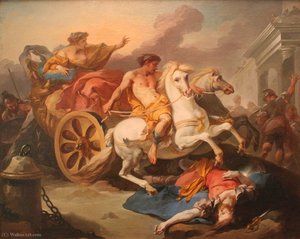
Dandré-Bardon’s oeuvre showcases an exceptional command of technique and stylistic versatility. He excelled in portraying biblical narratives, mythological scenes, and portraits alike, consistently prioritizing dramatic lighting and expressive brushwork—elements deeply rooted in Baroque aesthetics. His monumental frescoes adorning the Église du Saint-esprit in Aix-en-Provence exemplify his ability to convey profound emotion through color and form. Furthermore, he produced captivating etchings that complemented his paintings, demonstrating a mastery of printmaking alongside painting.- Iconic Works: Among his most celebrated achievements are “Tullie Passing His Chariot on the Body of His Father,” a poignant depiction of filial piety rendered in meticulous detail; “Studies of Hands and Feet,” an anatomical study reflecting Renaissance influences; and “Diana and Endymion,” a romantic allegory bathed in ethereal light. These pieces stand as testaments to Dandré-Bardon’s artistic prowess and his unwavering commitment to capturing the human condition.
- Influence & Legacy: Dandré-Bardon's work exerted considerable influence on subsequent generations of artists, shaping the stylistic trajectory of French Baroque painting. His meticulous attention to anatomical accuracy and dramatic composition established him as a cornerstone of artistic excellence—a legacy that continues to resonate within the annals of art history.
Academic Recognition & Artistic Patronage
Dandré-Bardon ascended to positions of prestige within the Académie royale des Beaux-Arts in Paris, serving as professor, secretary, and ultimately teacher—roles that solidified his influence on artistic education. He was also instrumental in establishing the Académie des Beaux-arts à Marseille, fostering artistic innovation and nurturing talent beyond the capital city. His patronage attracted prominent figures of the era, bolstering his reputation as a respected artist and humanist.Concluding Remarks
Michel François Dandré-Bardon’s artistic legacy transcends mere stylistic imitation; it embodies an unwavering belief in the transformative power of art to illuminate human experience. His paintings—characterized by their grandeur, emotional depth, and masterful execution—remain enduring symbols of Baroque artistry—a testament to his singular vision and indelible contribution to French cultural heritage.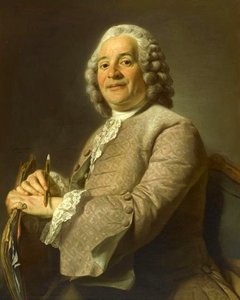
michel françois dandré bardon
1700 - 1783 , France
Основные сведения
- Artistic Movement Or Style: Baroque
- Artists Or Movements Influenced By This Artist: ['Classical Painting']
- Artists Who Influenced This Artist: ['Jean Baptiste Vanloo']
- Date Of Birth: 1700
- Date Of Death: 1783
- Full Name: Michel François Dandré-Bardon
- Nationality: French
- Notable Artworks:
- Tullie passing his chariot on the body of his father.
- Studies of Hands and Feet
- Diana and Endymion
- Place Of Birth: Aix-en-Provence, France
Похожие статьи

Simon Vouet: A Baroque Master's Journey from Italian Influence to French Classicism
Explore the life & art of Simon Vouet, a pivotal French Baroque painter who introduced Italian styles to France. Discover his masterpieces and lasting influence on 17th-century art.
10 легендарных офортов, изменивших искусство навсегда | ArtsDot
Откройте для себя 10 легендарных офортов Дюрера, Рембрандта и Гойи! Узнайте историю создания шедевров графики и вдохновитесь искусством. Репродукции картин премиум-качества на ArtsDot.com – для вашего интерьера.

Барочная драма: Искусство величия в современном интерьере
Погрузитесь в мир роскоши и величия барокко! Узнайте об истории стиля, ключевых элементах интерьера и архитектуре. Вдохновляйтесь с и создайте свой неповторимый дизайн.

Etching: A Historical Survey of Technique, Aesthetic Qualities & Enduring Artistic Significance
Explore the rich history of etching, from its origins to Rembrandt's masterful innovations. Discover the technique, aesthetic qualities & enduring legacy of this captivating art form. Expert insights for collectors and enthusiasts.

The Intricate World of Etching: A Historical Survey of Technique, Aesthetic Evolution, and Enduring Artistic Impact
Explore the rich history of etching, from its origins to modern practice. Discover techniques, key artists like Rembrandt, and insights for collectors. A comprehensive guide by ArtsDot.