

 Предпросмотр
 Поделиться
 Поделиться
 Детали произведения

 Скачать
 Похожие работы
 Рентгенография
 Слайд-шоу
 Статистика
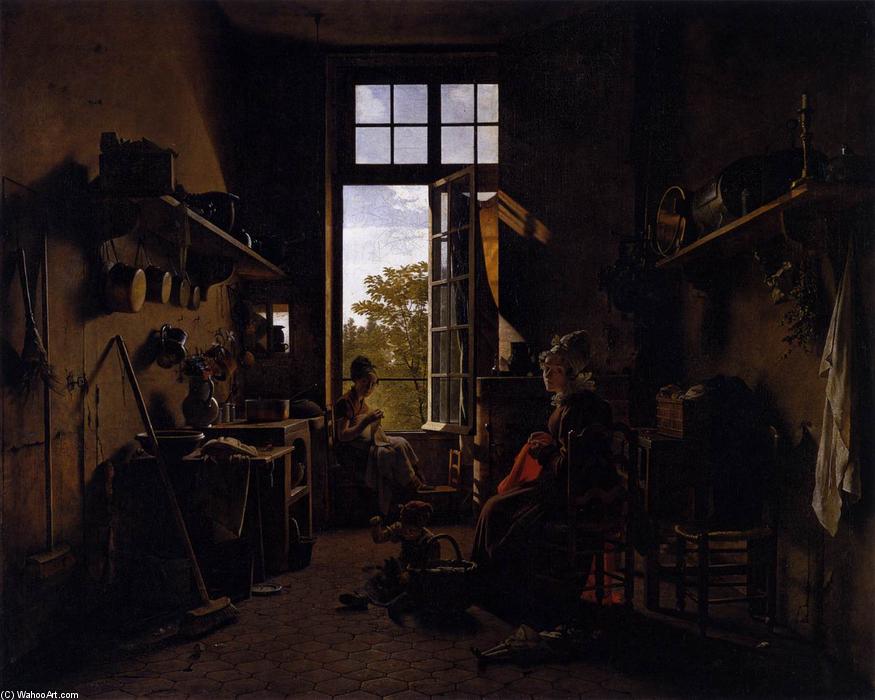
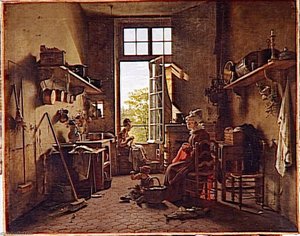
Interior of a Kitchen
 Oil On Canvas
- WallArt
- Neoclassical Art
 1815
1815- 19th Century
 65.0 x 81.0 cm
 Лувр
Лувр
 Читать далее
Масляная репродукция ручной работы
Картина маслом на холсте в выбранном вами размере и раме, написанная на заказ нашими художниками. ( Перейти к печати Перейти к цифровым изображениям)




P118B $10

P118H $10

P118W $10

P438Z $10

P508JH $12

P508YH $12

P805H $10

P805Z $10

P919BZ $10

P919G $10

P919XJ $10

P959ZH $10

P968JZ $12

W106C $8

W218G $10

W218JH $8

W218Y $10

W307PJ $10

W316G $10

W316PJ $8

W316Y $10

W398PJ $8

W4111J $10

W500HY $15

W500JH $15

W692G $12

W849H $8

W940BG $15

W953PJ $8




Выберите один из наших стандартных размеров, соответствующих оригинальным пропорциям произведения искусства.

Вы можете указать собственные размеры, чтобы картина идеально вписалась в выбранную раму или пространство. Если выбранный вами размер не соответствует пропорциям оригинала, мы либо обрежем полотно, либо расширим его за счет дополнительных элементов, написанных вручную. Цифровой макет будет отправлен вам на утверждение перед началом производства.
Обратите внимание, что предварительный просмотр на экране не отражает фактическую обрезку или расширение. Только макет точно покажет окончательную композицию.
Хотя доступны индивидуальные размеры, мы рекомендуем выбирать вариант из предопределенного списка, чтобы сохранить исходные пропорции.
После оформления заказа команда ArtsDot.com свяжется с клиентом по электронной почте для уточнения деталей и предоставит предварительный макет
Доставка по всему миру () за 3–4 недели вместо стандартных 5 недель. (10 Сентябрь). Без компромиссов в качестве.

Бесплатная экспресс-доставка по всему миру

Высококачественный льняной холст

Полное страхование доставки

Гарантия возмещения таможенных пошлин

Гарантия точного соответствия цветов

100-дневная политика возврата (только при обнаружении дефектов)

Гарантия возврата 100% средств

Предложение оптовых скидок
 Вариант со стеклом доступен только для размеров менее 110 см

Interior of a Kitchen
Техника репродукции
Размер репродукции
-


Итоговая стоимость
$ 263
A Window into Parisian Domesticity
In the quiet corners of art history, certain works possess the unique ability to transcend their era, acting as temporal portals that invite us into a lost world. Michel Martin Drolling’s "Interior of a Kitchen," painted in 1815, is precisely such a masterpiece. It is far more than a mere documentation of a household routine; it is an intimate invitation into the heart of French domestic life during a period of profound transition. As Paris breathed with renewed vigor following the Napolelyonic Wars, Drolling captured a moment of profound serenity, elevating the mundane activities of a kitchen to a level of monumental grace. The scene unfolds as a carefully orchestrated tableau, where the boundaries between the everyday and the artistic blur, offering a sanctuary of understated elegance and palpable warmth.
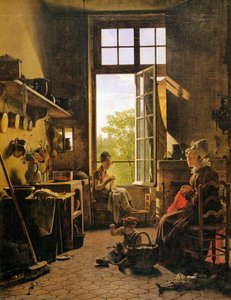
The composition centers around a sturdy dining table, acting as an anchor for a group of figures engaged in what appears to be a quiet, communal moment. Through his masterful command of Neoclassical principles, Drolling presents a scene where the light seems to dance softly across the surfaces of ceramic bowls and glass bottles, lending a luminous quality to the room. The presence of everyday objects—the scattered bottles, the delicate cups, and even a touch of greenery from a potted plant—serves to ground the painting in reality while simultaneously contributing to a sense of organized beauty. There is a rhythmic balance to the placement of the figures and furniture, creating a visual harmony that guides the eye through the domestic landscape with ease and tranquility.
The Precision of Neoclassical Elegance
Drolling’s artistic journey, shaped by the rigorous training under the legendary Jacques-Louis David, is evident in every meticulous brushstroke of this work. Eschewing the turbulent emotionalism that would later define the Romantic movement, Drolling embraced a style characterized by remarkable precision and a deliberate restraint. His technique involves smooth, controlled applications of paint that achieve textures reminiscent of fine marble sculpture. This precision allows for an exquisite rendering of form, where the weight of the wooden furniture and the delicate translucency of glassware are rendered with breathtaking clarity.
The artist’s palette is a masterclass in subtle sophistication, leaning heavily on muted tones such as ochres, creams, and pale blues. These colors do not shout for attention; instead, they create an atmosphere of soft, diffused light that evokes a sense of timelessness. For the discerning collector or interior designer, this restrained color palette offers incredible versatility. A high-quality reproduction of this piece brings a sophisticated, calming energy to any space, acting as a focal point that commands respect through its subtlety rather than through overt spectacle. It is an artwork that rewards prolonged contemplation, revealing new layers of detail and light with every glance.
An Enduring Legacy for the Modern Collector
To possess a work inspired by Drolling is to hold a piece of the French Neoclassical soul. The emotional impact of "Interior of a Kitchen" lies in its ability to evoke nostalgia for a period of structured beauty and quiet intimacy. It speaks to the universal human desire for connection, community, and the sanctity of the home. In an era often characterized by chaos and rapid change, Drolling’s vision of a stable, serene domesticity remains deeply resonant.
For those seeking to curate an environment of historical depth and artistic refinement, this painting serves as an incomparable inspiration. Whether placed in a grand dining room to echo its subject matter or in a contemporary study to provide a classical counterpoint, the work transcends mere decoration. It becomes a conversation piece, a window into 1815 Paris, and a testament to the enduring power of Neoclassical grace. Investing in a hand-painted reproduction of this masterpiece allows the beauty of Drolling’s precision and the warmth of his vision to become a permanent part of your personal aesthetic legacy.
Похожие произведения

Биография художника
Michel Martin Drolling: A Life in Neoclassical Art
Early Life and Education
Michel Martin Drolling was born on March 7, 1786, in Paris, France. He came from an artistic family; his father, Martin Drolling, was also a painter. This familial influence sparked young Michel’s interest in art, and he began his training under his father's supervision. In 1806, he furthered his education by studying with the renowned Neoclassical artist Jacques-Louis David, a pivotal moment that shaped his artistic trajectory.The Prix de Rome and Early Career
Drolling’s talent quickly became apparent, culminating in his winning of the prestigious Prix de Rome in 1810. This award granted him a scholarship to study at the French Academy in Rome. His winning submission was “The Wrath of Achilles,” demonstrating his mastery of classical themes and techniques. After completing his studies in Rome, he returned to Paris and began establishing himself as a painter.Artistic Style and Major Works
Drolling’s paintings are characterized by the hallmarks of Neoclassicism: theatricality, bright colors, dramatic contrasts of light and shadow, and meticulous attention to detail. He excelled in both historical painting and portraiture. Some of his most significant works include:- “The Death of Abel” (1817) – This work brought him considerable recognition after its exhibition at the Salon.
- “The Lord Descends to Earth to Establish his Empire and Spread his Good Deeds” – A large-scale ceiling painting for the Room of Illustrious Men at the Louvre.
- “The States-General of Tours” (1836) and “The Convention of Alexandria” (1837) – Both commissioned for the Museum of History in the Palace of Versailles.
- “Jesus Among the Doctors” (1840) – Created for the Church of Our-Lady-of-Loretto in Paris.
Recognition and Influence
Drolling’s talent was widely acknowledged, leading to his election as a member of the Académie des Beaux-Arts in 1837. He was subsequently appointed a professor at the École Nationale Supérieure des Beaux-Arts, where he shared his knowledge and expertise with aspiring artists. His students included notable figures such as Paul Baudry, Jules Breton, Roger Fenton, and many others.Historical Significance and Legacy
Michel Martin Drolling represents a key figure in the transition from Neoclassicism to later 19th-century artistic styles. While firmly rooted in classical principles, his work also foreshadows some of the dramatic flair that would characterize Romanticism. His large-scale historical paintings contributed significantly to the visual narrative of French history and national identity during a period of political and social change. He died in Paris on January 9, 1851, leaving behind a legacy of skillfully executed and historically significant artworks.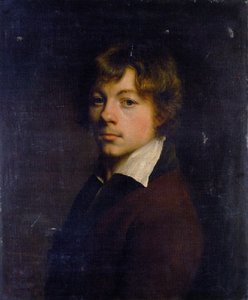
Michel Martin Drolling
1786 - 1851 , France
Основные сведения
- Birth Date: 1786
- Birth Place: Paris, France
- Death Date: 1851
- Influenced:
- Paul Baudry
- Victor Biennourry
- Jules Breton
- Theodor Aman
- Roger Fenton
- Influenced By: Jacques-Louis David
- Movement: Neoclassicism
- Name: Michel Martin Drolling
- Nationality: French
- Notable Works:
- The Wrath of Achilles
- Death of Abel
- Lord Descends to Earth
- States-General of Tours
- Convention of Alexandria
- Jesus Among the Doctors
Похожие статьи

Преображение интерьеров: как муралы переосмысливают кухни и ванные комнаты
Узнайте, как муралы преобразят вашу кухню и ванную комнату! Экспертные советы по выбору дизайна, материалам и уходу. Создайте уникальный интерьер с помощью росписи стен.
The Enduring Legacy of Classicism: Principles, Evolution & Influence in Western Art
Explore the enduring legacy of Classicism in Western art! Discover its historical context, key principles, iconic masterpieces & lasting influence. Learn about Renaissance and Neoclassical movements with ArtsDot.
Гармония контрастов: интеграция современного искусства в классические интерьеры для вневременной элегантности
Создайте гармоничный интерьер! Экспертные советы по интеграции современного искусства в классический стиль. Выбор картин, цветовые сочетания и секреты дизайна от профессионалов.
Гармония эпох: классическое и современное искусство для вневременных интерьеров
Откройте для себя мир искусства с ! Классика и современность в вашем интерьере. Репродукции картин, картины на заказ, экспертные консультации и безупречное качество.
10 Шедевров Неоклассицизма: Искусство, Определившее Эпоху | ArtsDot
Погрузитесь в мир неоклассицизма! 10 шедевров от Давида, Канновы и других великих художников. Узнайте историю создания культовых картин и вдохновитесь для интерьера. Репродукции музейного качества на ArtsDot.com