

 Предпросмотр
 Поделиться
 Поделиться
 Детали произведения

 Скачать
 Похожие работы
 Рентгенография
 Слайд-шоу
 Статистика
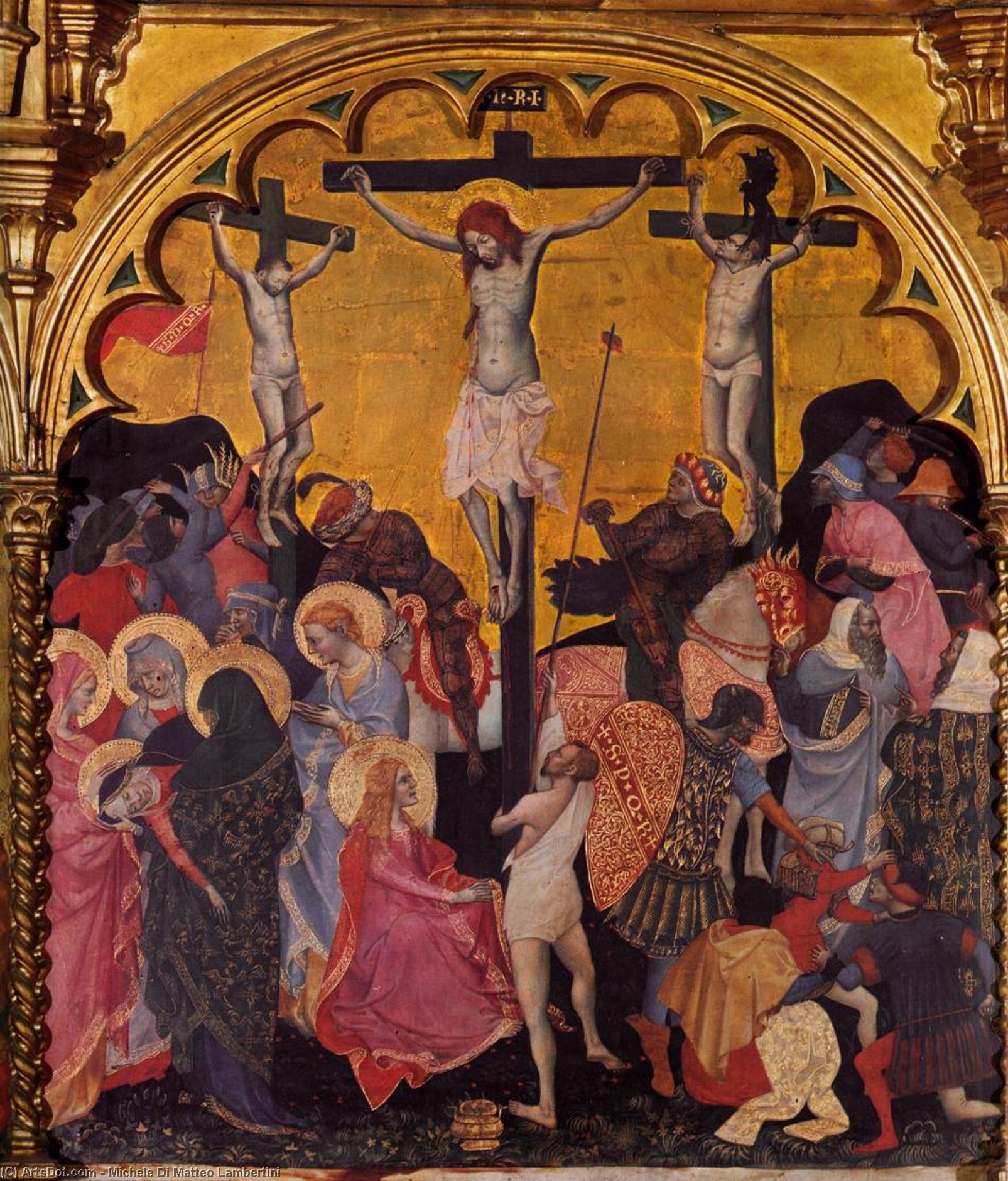
Polyptych of Sant'Elena (detail)
 Tempera On Panel
- Late Gothic
 1427
1427- Late Medieval
 114.0 x 66.0 cm
 Галереи Академии
 Читать далее
Приобретите цифровое изображение высокого разрешения в улучшенном качестве, которое значительно превосходит онлайн-превью.
Каждый файл тщательно подготавливается нашими специалистами с использованием передовых инструментов и экспертной ручной ретуши. Мы гарантируем исключительную четкость, точную цветопередачу и детальную проработку каждого изображения.
Финальный файл доставляется по электронной почте в течение 72 часов и оптимизирован для немедленного использования в профессиональной среде, при верстке и печати. Это тот же уровень качества, которому доверяют ведущие дизайнерские студии, издательства и галереи.
Цифровое изображение
Скачайте файл высокого разрешения для личного использования, печати и творческих проектов. ( Перейти к печати Купить картину ручной работы)
Включено в каждый заказ цифровых изображений
Гарантия экспертной цифровой доставки
Выбирая ArtsDot.com, вы получаете не просто изображение — вы приобретаете профессионально обработанное цифровое произведение искусства, созданное с безупречной точностью и под защитой гарантии качества. Вот всё, что автоматически входит в ваш заказ:

Мгновенная доставка по e-mail
Ваш цифровой файл в высоком разрешении будет отправлен вам по электронной почте в течение 72 часов после оформления заказа — и сразу станет доступен для использования.

Цифровой файл с ИИ-улучшением
Ваше произведение искусства проходит профессиональную оптимизацию с использованием передовых инструментов ИИ и ручной обработки, что гарантирует максимальную детализацию, четкость и точность цветопередачи.

Бессрочная бесплатная повторная доставка
Случайно удалили или потеряли файл? Не беспокойтесь — мы отправим его вам повторно в любое время и совершенно бесплатно.

Без импортных пошлин — навсегда
Наслаждайтесь вашим произведением искусства мгновенно без таможенных пошлин, сборов или затрат на доставку — цифровые загрузки всегда не облагаются налогом.

Гарантия точности цветопередачи
Мы гарантируем, что ваше цифровое изображение максимально точно передает оригинальные цвета благодаря использованию профессиональных инструментов и систем управления цветом.

Гарантия удовлетворенности 100 дней
Если вы не будете удовлетворены своим цифровым изображением, мы внесем правки или вернем 100% стоимости в течение 100 дней — без лишних вопросов.

100% Гарантия возврата средств
Не удовлетворены покупкой? Получите полный возврат средств в течение 100 дней после получения цифрового файла — без лишних вопросов.

Скидки на оптовые заказы
Купите 3 изображения, сэкономьте 10% — Купите 5, сэкономьте 15% — Купите 10+, сэкономьте 20%. Отличное решение для творческих проектов, галерей и агентств.
A Divine Drama in Gold: The Polyptych of Sant'Elena
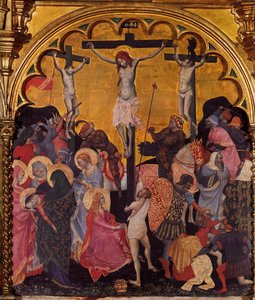
In the quiet contemplation of late Gothic mastery, few works capture the profound tension between the earthly and the divine as exquisitely as the Polyptych of Sant'ancela (detail). Painted in 1427 by the Bolognese master Michele di Matteo Lambertini, this fragment invites the viewer into a sacred moment of unparalleled intensity. At its heart lies the Crucifixion, a scene where the weight of human suffering meets the brilliance of celestial glory. The composition is anchored by the figure of Jesus on the cross, yet it is the surrounding tapestry of life that breathes movement into the frame. Fourteen figures populate this holy landscape, their gazes ranging from pious devotion to worldly distraction, creating a rhythmic dance of eyes and gestures that draws the observer deep into the narrative of the Passion.
The visual language of Lambertini is one of breathtaking opulence and meticulous detail. Set against a shimmering, gold-colored background, the scene transcends the physical realm, suggesting that this event is not merely a historical occurrence but an eternal truth. This use of gold leaf serves a dual purpose: it provides a sense of incomparable grandeur suitable for an altarpiece, while simultaneously acting as a divine light source that illuminates the faces and garments of the onlookers. The technique reflects the pinnacle of the International Gothic style, where fine linework and delicate transitions in color create a sense of depth despite the flattened, decorative nature of the gilded ground. Even the subtle presence of horses in the background adds a layer of narrative realism, grounding the spiritual event within a recognizable, albeit sanctified, world.
Symbolism and the Art of Devotion
To gaze upon this detail is to engage with a complex web of religious symbolism designed to stir the soul. The arrangement of the figures—some clustered in grief, others lost in quiet conversation—mirrors the multifaceted nature of human response to tragedy and divinity. The contrast between the stillness of the central figure on the cross and the dynamic energy of the crowd creates a powerful emotional resonance. For the collector or the interior designer, this piece offers more than mere decoration; it provides a focal point of profound historical weight. It is an invitation to reflect on themes of sacrifice, faith, and the enduring human condition.
Integrating a high-quality reproduction of such a masterpiece into a contemporary space allows for a sophisticated dialogue between eras. Whether placed in a grand hall or a curated study, the Polyptych of Sant'Elena brings an atmosphere of timeless elegance and intellectual depth. The warmth of the gold tones and the intricate storytelling within the brushstrokes offer a rich texture that complements both classical and modern aesthetics, making it an incomparable choice for those who seek to surround themselves with art that speaks of history, beauty, and the eternal.
Похожие произведения
![Scenes From The Passion Of Christ: The Crucifixion [middle Panel] — Andrea Di Vanni D'andrea](/media/artworks/images-thumb/ce/e7/cee771fe9e20855b080719236a5b12e6.jpg)
Биография художника
A Bolognese Voice in Late Gothic Art
Michele di Matteo Lambertini, an artist whose name resonates through the corridors of history as da Bologna or Lambertini, stands as a luminous figure within the artistic landscape of late Gothic Italy. Emerging from the vibrant intellectual and spiritual milieu of Bologna around 1410, his career unfolded during a period of profound transition, where the decorative elegance of the International Gothic style began to encounter the burgeoning humanist ideals of the early Renaissance. While the precise details of his early life remain shrouded in the mists of time, his presence is undeniably etched into the very fabric of Bologna’s most sacred spaces. His work serves as a bridge between eras, capturing a moment when the celestial and the earthly were bound together by gold leaf and profound devotion.
The foundations of Lambertini’s mastery were likely laid through a rigorous apprenticeship under Francesco Lola, a renowned fresco painter celebrated for his monumental contributions to papal authority. This early collaboration was instrumental in honing Lambertini's command over pigment preparation, mural techniques, and the complex compositional designs required for large-scale narratives. Such training allowed him to navigate the demanding requirements of both the church and the state, enabling him to translate theological complexities into visual splendor that could move the hearts of the faithful.
The Splendor of Sacred Narratives
Lambertini’s artistic output is characterized by an extraordinary ability to weave dramatic intensity with meticulous, delicate detail. His career reached significant heights through prestigious commissions, most notably during the episcopacy of Cardinal Jean Bilheres. One of his most enduring legacies lies within the Basilica San Petronio, where he undertook the monumental task of decorating the walls with frescoes depicting the life of Saint Peter. In these works, one observes a master at work, utilizing nuanced detail to breathe life into biblical characters, ensuring that each figure contributes to a larger, cohesive spiritual drama.
Beyond the permanence of fresco, Lambertini demonstrated a remarkable versatility in other media, including the design of intricate stained glass windows for the church of San Giacomo. This ability to manipulate light and color through glass speaks to his deep understanding of visual storytelling—a skill that allowed him to transform architectural spaces into immersive religious experiences. His work on polyptychs, such as the breathtaking Polyptych of Sant'Elena painted in 1427, showcases his command over the International Gothic aesthetic. In these altarpieces, the use of shimmering gold backgrounds creates a sense of eternal, divine light, while the fine linework and delicate transitions in color provide a rhythmic dance of movement across the gilded surface.
Legacy and Artistic Significance
The historical significance of Michele di Matteo Lambertini lies not only in his individual achievements but in his role as a custodian of Bolognese visual culture. His ability to balance the opulent, decorative traditions of the Gothic period with an increasing interest in narrative realism helped shape the aesthetic sensibilities of his era. Whether he was painting the Apostles Creed for the church of San Giovanni at Siena or crafting poignant scenes of the Pietà, his work consistently sought to bridge the gap between the viewer and the divine.
Though scholars occasionally engage in debate regarding his precise distinction from other contemporaries like Michelangelo da Bergamo, Lambertini’s unique artistic voice remains unmistakable. His contributions to the following areas define his enduring importance:
- Narrative Mastery: The ability to transform complex theological doctrines into accessible, emotionally resonant visual stories through frescoes and polyptychs.
- Technical Versatility: A rare proficiency in diverse mediums, ranging from the monumental scale of wall paintings to the delicate precision of stained glass and gilded altarpieces.
- Cultural Impact: The enrichment of Bologna’s architectural and spiritual identity during a pivotal moment in Italian art history.
Today, as we gaze upon the fragments of his surviving masterpieces, we encounter more than just historical artifacts; we witness the profound tension between human suffering and celestial glory that Lambertini so exquisitely captured. His legacy remains a testament to the power of art to serve as a window into the eternal.
Основные сведения
- Artistic Movement Or Style: Late Gothic
- Artists Or Movements Influenced By This Artist: ['Michelangelo da Bergamo']
- Artists Who Influenced This Artist: ['Francesco Lola']
- Date Of Death: Living
- Full Name: Michele di Matteo Lambertini
- Nationality: Italian
- Notable Artworks:
- Polyptych of Sant'Elena
- St Mark
- Virgin and Child
- Twelve Articles of the Apostles Creed
- Cristo Crucifisso
- Place Of Birth: Italy