Поделиться
 Поделиться
 Детали произведения

 Скачать
 Похожие работы
 Слайд-шоу
 Статистика
Tapestry The Flood from the series The Story of Noah
 Tapestry
- Textile
- Renaissance
 1550
1550- Renaissance
 482.0 x 842.0 cm
 Королевский замок Вавель
 Читать далее
Масляная репродукция ручной работы
Картина маслом на холсте в выбранном вами размере и раме, написанная на заказ нашими художниками. ( Перейти к печати Перейти к цифровым изображениям)
































Выберите один из наших стандартных размеров, соответствующих оригинальным пропорциям произведения искусства.

Вы можете указать собственные размеры, чтобы картина идеально вписалась в выбранную раму или пространство. Если выбранный вами размер не соответствует пропорциям оригинала, мы либо обрежем полотно, либо расширим его за счет дополнительных элементов, написанных вручную. Цифровой макет будет отправлен вам на утверждение перед началом производства.
Обратите внимание, что предварительный просмотр на экране не отражает фактическую обрезку или расширение. Только макет точно покажет окончательную композицию.
Хотя доступны индивидуальные размеры, мы рекомендуем выбирать вариант из предопределенного списка, чтобы сохранить исходные пропорции.
После оформления заказа команда ArtsDot.com свяжется с клиентом по электронной почте для уточнения деталей и предоставит предварительный макет
Доставка по всему миру () за 3–4 недели вместо стандартных 5 недель. (15 Сентябрь). Без компромиссов в качестве.

Бесплатная экспресс-доставка по всему миру

Высококачественный льняной холст

Полное страхование доставки

Гарантия возмещения таможенных пошлин

Гарантия точного соответствия цветов

100-дневная политика возврата (только при обнаружении дефектов)

Гарантия возврата 100% средств

Предложение оптовых скидок
 Вариант со стеклом доступен только для размеров менее 110 см

Tapestry The Flood from the series The Story of Noah
Техника репродукции
Размер репродукции
-


Итоговая стоимость
$ 263
A Grand Tapestry of Devotion and Drama
In the vast expanse of mid-16th-century Flemish artistry, few mediums captured the grandeur of biblical narrative as effectively as the monumental tapestry. Tapestry: The Flood, a breathtaking piece from the celebrated series The Story of Noah, serves as a window into a world of profound spiritual upheaval and human resilience. Created around 1550 by the master Michiel van Coxcie, this work is not merely a textile; it is a cinematic experience woven in thread. The scene unfolds with an extraordinary level of detail, presenting a multitude of figures—at least thirteen distinct souls—navigating the tension between catastrophe and survival. As viewers gaze upon the composition, they are drawn into a landscape where the weight of the impending deluge is balanced by the intricate, rhythmic placement of human forms, some kneeling in prayer, others lost in the quiet gravity of their final moments.
The artistry of Coxcie, often referred to as the Flemish Raphael, shines through in the sophisticated way he manages scale and movement. The tapestry utilizes a rich, vibrant palette that breathes life into the somber subject matter, ensuring that even amidst the tragedy of the Great Flood, there is a luminous beauty that commands the room. The backdrop of lush, deep-toned trees provides a necessary structural depth, creating a sense of a world being swallowed by the elements. For the discerning collector or interior designer, this piece offers a commanding presence; its massive dimensions of 482 x 842 cm allow it to serve as a focal point in any grand hall or curated gallery, transforming a wall into a portal of historical storytelling.
The Synthesis of Renaissance Grace and Flemish Realism
Technically, this work represents the pinnacle of the transition between the High Renaissance and the burgeoning Baroque era. Coxcie’s unique ability to blend the anatomical precision and idealized proportions of Italian masters like Michelangelo with the gritty, emotive realism characteristic of his Flemish roots is on full display here. The figures are not mere silhouettes; they possess a palpable weight and emotional complexity. One can sense the whispered conversations between characters and the solitary despair of those facing the rising tides. This mastery of human expression ensures that the tapestry resonates on an emotional level, inviting the observer to contemplate themes of mortality, faith, and the cyclical nature of destruction and rebirth.
For those seeking to incorporate a piece of this magnitude into a sophisticated interior, the The Flood offers more than just decoration. It provides a conversation starter that bridges the gap between historical reverence and contemporary luxury. The interplay of light and shadow within the woven fibers creates a dynamic texture that changes with the ambient lighting of a room, offering a sense of movement that static paintings often lack. Owning a reproduction of such a masterpiece is an invitation to surround oneself with the enduring legacy of the Flemish masters, bringing a sense of timelessness and profound narrative depth to any curated space.
Похожие произведения

Биография художника
Michiel van Coxcie: Bridging Renaissance and Baroque Brilliance
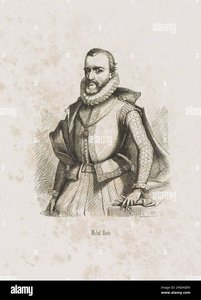
Michiel van Coxcie (1499-1592), a Flemish master whose name echoes through the annals of art history, stands as a singular figure—the ‘Flemish Raphael,’ lauded for his ability to synthesize the grandeur of Italian artistic ideals with the profound spirituality of his homeland. Born in Mechelen, Belgium, Coxcie’s life unfolded against the backdrop of a turbulent era marked by religious upheaval and artistic innovation, shaping him into an artist whose legacy continues to inspire awe centuries later. Coxcie's formative years were steeped in Flemish tradition, receiving meticulous training from Jan Portaers and Pieter Bruegel the Elder—artists who championed realism and emotional depth. However, his gaze was undeniably drawn eastward, captivated by the revolutionary advancements of Michelangelo, Leonardo da Vinci, and Raphael. Unlike many of his contemporaries who slavishly imitated Italian styles, Coxcie skillfully blended these influences, forging a distinctive artistic voice that prioritized both anatomical accuracy and expressive emotion. This duality is palpable in his oeuvre, where figures possess breathtaking realism alongside profound psychological insight—a hallmark that distinguishes him from the more rigid stylistic conventions prevalent during his time. His prolific output spanned across various mediums—paintings, tapestries, sculptures—demonstrating an unparalleled versatility. He achieved considerable renown during his lifetime, securing commissions from prominent patrons including Maximilian I of Bavaria and Philip II of Spain. His monumental altarpiece in St. Michael and Gudula Cathedral in Brussels remains a testament to his ambition and technical prowess, showcasing intricate detail and masterful composition; it exemplifies the meticulous craftsmanship characteristic of Flemish art during the Renaissance. Similarly, his contribution to the St. Rumbolds Cathedral tapestry—a depiction of Adam and God—is considered one of the finest examples of Renaissance textile art, reflecting the artistic fervor of the period and demonstrating Coxcie’s ability to translate complex narratives into visually compelling imagery. Coxcie's artistic style evolved throughout his career, mirroring the shifting currents of taste within Europe. Initially adhering to a Mannerist aesthetic characterized by elongated figures and stylized drapery—a stylistic choice influenced by artists like Parmigianino—he gradually embraced Baroque principles, incorporating dramatic lighting and dynamic movement into his works. This stylistic progression underscores his adaptability and intellectual curiosity—qualities that cemented his position as a pivotal figure in shaping the visual landscape of the sixteenth century. He was particularly adept at capturing fleeting expressions of emotion, conveying psychological depth with remarkable subtlety. Despite fading from artistic prominence after his death in 1592, Coxcie’s influence persisted within subsequent generations of painters. His meticulous observation of human anatomy and his ability to convey emotion through subtle gestures established him as an enduring inspiration for artists striving to capture the essence of human experience—a legacy that continues to resonate with audiences today. Reproductions of his masterpieces—such as ‘The Revenge of Tomyris’ and ‘Saint Cecilia’—remain treasured symbols of Flemish artistic achievement, ensuring that Michiel van Coxcie's contribution to art history remains vividly alive. ### Useful Links: []("https://en.wikipedia.org/wiki/Michiel_Coxie") ### Useful Content:- Early Life and Training: Records concerning Coxcie’s early life are scarce, with his birth year determined to be 1499 through deduction from later sources. The precise location of his birthplace remains uncertain; Mechelen is generally accepted as the most probable site due to its prominence in Flemish art circles during his formative years.
- Influences: Coxcie’s artistic vision was profoundly shaped by the revolutionary innovations of Michelangelo, Leonardo da Vinci, and Raphael—artists whose mastery captivated him during his decade-long residence in Italy. Unlike many contemporaries who imitated Italian styles blindly, he skillfully blended these influences, prioritizing both anatomical accuracy and expressive emotion.
- Notable Works: Among Coxcie’s most celebrated achievements are ‘The Revenge of Tomyris,’ a dramatic depiction of mythological conflict; ‘Saint Cecilia,’ showcasing exquisite detail and conveying profound spiritual contemplation; and his masterful copy of Van Eyck's Lamb of God, demonstrating his dedication to preserving artistic heritage.
- Style Evolution: Coxcie’s stylistic trajectory mirrored the broader trends within European art during the sixteenth century. Initially embracing Mannerist conventions—characterized by elongated figures and stylized drapery—he transitioned towards Baroque principles, incorporating dramatic lighting and dynamic movement into his compositions.
- Legacy: Michiel van Coxcie's enduring influence stems from his meticulous anatomical observation and his ability to convey emotion with remarkable subtlety. He remains an inspiration for artists seeking to capture the complexities of human experience—a testament to his lasting contribution to art history.
Михиэль ван Коксий
1499 - 1592 , Бельгия
Основные сведения
- Artistic Movement Or Style: Ренессанс и барокко
- Artists Or Movements Influenced By This Artist: ['Барочная живопись']
- Artists Who Influenced This Artist:
- Микеланджело
- Леонардо да Винчи
- Рафаэль
- Date Of Birth: Mechelen, Belgium (1499)
- Date Of Death: 1592
- Full Name: Michiel van Coxcie
- Nationality: Фламандский
- Notable Artworks:
- Возвращение Томырыса
- Адам и Бог
- Place Of Birth: Mechelen
Похожие статьи
Illuminating Faith: Biblical Narrative & Artistic Expression Through the Ages
Explore the rich history of biblical art from Giotto to the Renaissance masters with ArtsDot. Discover symbolism, techniques & enduring legacies. Museum-quality reproductions & expert insights.
David Teniers II: Master of Flemish Genre & Social Commentary
Explore the captivating world of David Teniers II, a leading Flemish Baroque painter renowned for his lively genre scenes & insightful social commentary. Discover his masterpieces and legacy with ArtsDot.
Sacred Narratives on Canvas: Exploring Biblical Art Across Centuries
Explore the rich history of biblical art from Giotto to the Renaissance masters. Discover symbolism, techniques & enduring legacies with ArtsDot – your source for museum-quality reproductions and expert art insights.
Jan Brueghel the Elder: A Master of Flemish Landscape & Allegory – Exploring Innovation & Influence
Explore the captivating world of Jan Brueghel the Elder, a Flemish Baroque master renowned for his stunning landscapes & allegorical paintings. Discover his collaborations with Rubens and lasting artistic legacy.
Illuminating Faith: Biblical Scenes & Their Enduring Legacy in Art History
Explore the profound history of biblical art! Discover Renaissance masterpieces by Giotto & more. Uncover symbolism, artistic techniques, and lasting influence. Expert insights at ArtsDot.