

 Предпросмотр
 Поделиться
 Поделиться
 Детали произведения

 Скачать
 Похожие работы
 Рентгенография
 Слайд-шоу
 Статистика
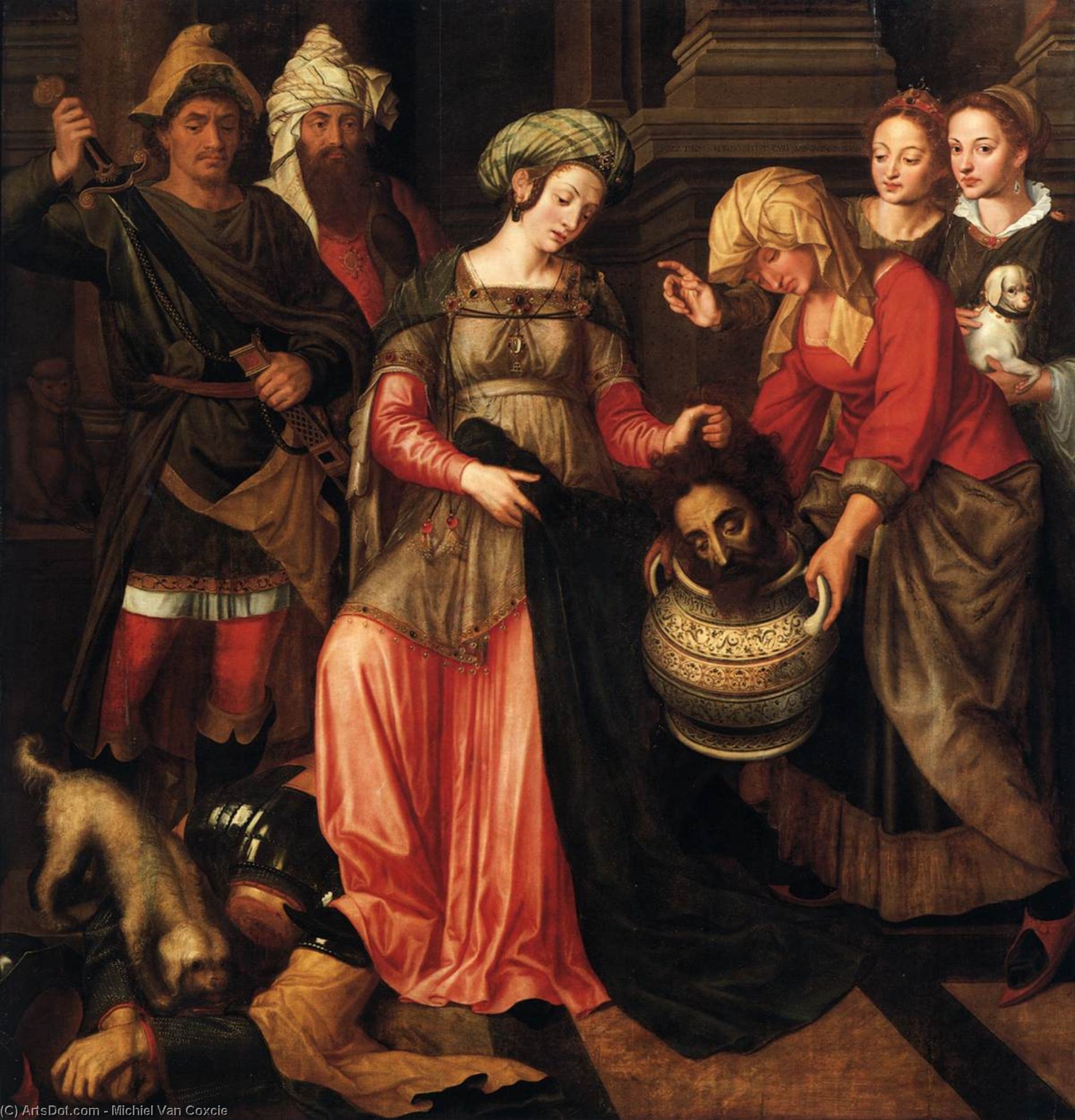
The Revenge of Tomyris
 Oil On Canvas
- WallArt
- Baroque
 1620
1620 185.0 x 175.0 cm
 Academy of Fine Arts Vienna
 Читать далее
Приобретите цифровое изображение высокого разрешения в улучшенном качестве, которое значительно превосходит онлайн-превью.
Каждый файл тщательно подготавливается нашими специалистами с использованием передовых инструментов и экспертной ручной ретуши. Мы гарантируем исключительную четкость, точную цветопередачу и детальную проработку каждого изображения.
Финальный файл доставляется по электронной почте в течение 72 часов и оптимизирован для немедленного использования в профессиональной среде, при верстке и печати. Это тот же уровень качества, которому доверяют ведущие дизайнерские студии, издательства и галереи.
Цифровое изображение
Скачайте файл высокого разрешения для личного использования, печати и творческих проектов. ( Перейти к печати Купить картину ручной работы)
Включено в каждый заказ цифровых изображений
Гарантия экспертной цифровой доставки
Выбирая ArtsDot.com, вы получаете не просто изображение — вы приобретаете профессионально обработанное цифровое произведение искусства, созданное с безупречной точностью и под защитой гарантии качества. Вот всё, что автоматически входит в ваш заказ:

Мгновенная доставка по e-mail
Ваш цифровой файл в высоком разрешении будет отправлен вам по электронной почте в течение 72 часов после оформления заказа — и сразу станет доступен для использования.

Цифровой файл с ИИ-улучшением
Ваше произведение искусства проходит профессиональную оптимизацию с использованием передовых инструментов ИИ и ручной обработки, что гарантирует максимальную детализацию, четкость и точность цветопередачи.

Бессрочная бесплатная повторная доставка
Случайно удалили или потеряли файл? Не беспокойтесь — мы отправим его вам повторно в любое время и совершенно бесплатно.

Без импортных пошлин — навсегда
Наслаждайтесь вашим произведением искусства мгновенно без таможенных пошлин, сборов или затрат на доставку — цифровые загрузки всегда не облагаются налогом.

Гарантия точности цветопередачи
Мы гарантируем, что ваше цифровое изображение максимально точно передает оригинальные цвета благодаря использованию профессиональных инструментов и систем управления цветом.

Гарантия удовлетворенности 100 дней
Если вы не будете удовлетворены своим цифровым изображением, мы внесем правки или вернем 100% стоимости в течение 100 дней — без лишних вопросов.

100% Гарантия возврата средств
Не удовлетворены покупкой? Получите полный возврат средств в течение 100 дней после получения цифрового файла — без лишних вопросов.

Скидки на оптовые заказы
Купите 3 изображения, сэкономьте 10% — Купите 5, сэкономьте 15% — Купите 10+, сэкономьте 20%. Отличное решение для творческих проектов, галерей и агентств.
The Revenge of Tomyris: A Baroque Meditation on Mortality
- Artist: Michiel van Coxcie (1499-1592)
- Title: The Revenge of Tomyris
- Date: 1620
- Size: 185 x 175 cm
A Symphony of Light and Shadow: Technique and Style
- Baroque Mastery: The painting firmly establishes itself within the Baroque style, characterized by its dynamic composition, dramatic lighting (chiaroscuro), and expressive handling of form. Coxcie’s approach reflects a deliberate move away from the serene idealism of the High Renaissance, embracing instead a heightened sense of emotional intensity and theatricality.
- Oil on Canvas: Executed in oil paints on canvas, the technique showcases layers of meticulous brushwork that build up texture and create rich, luminous colors. The artist’s deliberate application of paint – visible in the textured surfaces – contributes significantly to the work's palpable sense of volume and depth.
- Perspective and Composition: While employing a somewhat flattened perspective typical of Baroque painting, Coxcie skillfully manipulates spatial relationships to draw the viewer into the scene. The figures are clustered together, creating an intimate and dramatic tableau that emphasizes their shared grief and contemplation.
Symbolism and Narrative
- The Skull: The central element – the skull within the vessel – is a potent symbol of death and judgment, a recurring motif in Baroque art reflecting anxieties about divine retribution and the inevitability of mortality. Its placement at the heart of the composition immediately establishes the painting’s thematic core.
- Gestures and Emotion: The figures themselves are rendered with expressive gestures and faces conveying sorrow, concern, and perhaps even a sense of righteous indignation. The woman in dark clothing, directing attention towards the skull, acts as a focal point, embodying leadership and grief.
- Dog at the Base: The inclusion of a dog lying at the base of the composition adds another layer of somber symbolism – often associated with loyalty, fidelity, and even mourning itself.
Historical Context and Emotional Impact
- Flemish Renaissance & Baroque Synthesis: Coxcie’s work exemplifies the transition from the Renaissance to the Baroque period in Flanders. While influenced by Italian masters, he retained a distinctly Flemish sensibility, prioritizing emotional depth and narrative clarity.
- Themes of Mortality and Justice: “The Revenge of Tomyris” taps into universal themes of death, grief, and justice – concerns that were particularly prevalent during the turbulent religious landscape of 17th-century Europe. The painting’s dramatic presentation invites viewers to contemplate their own mortality and the consequences of sin.
- Evocative Atmosphere: The warm color palette dominated by reds, browns, and golds, contrasted with cooler blues and greens, creates a visually arresting effect. The strong chiaroscuro further intensifies the emotional impact, drawing attention to key elements and amplifying the sense of drama and foreboding.
Похожие произведения

Биография художника
Michiel van Coxcie: Bridging Renaissance and Baroque Brilliance
Michiel van Coxcie (1499-1592), a Flemish master whose name echoes through the annals of art history, stands as a singular figure—the ‘Flemish Raphael,’ lauded for his ability to synthesize the grandeur of Italian artistic ideals with the profound spirituality of his homeland. Born in Mechelen, Belgium, Coxcie’s life unfolded against the backdrop of a turbulent era marked by religious upheaval and artistic innovation, shaping him into an artist whose legacy continues to inspire awe centuries later. Coxcie's formative years were steeped in Flemish tradition, receiving meticulous training from Jan Portaers and Pieter Bruegel the Elder—artists who championed realism and emotional depth. However, his gaze was undeniably drawn eastward, captivated by the revolutionary advancements of Michelangelo, Leonardo da Vinci, and Raphael. Unlike many of his contemporaries who slavishly imitated Italian styles, Coxcie skillfully blended these influences, forging a distinctive artistic voice that prioritized both anatomical accuracy and expressive emotion. This duality is palpable in his oeuvre, where figures possess breathtaking realism alongside profound psychological insight—a hallmark that distinguishes him from the more rigid stylistic conventions prevalent during his time. His prolific output spanned across various mediums—paintings, tapestries, sculptures—demonstrating an unparalleled versatility. He achieved considerable renown during his lifetime, securing commissions from prominent patrons including Maximilian I of Bavaria and Philip II of Spain. His monumental altarpiece in St. Michael and Gudula Cathedral in Brussels remains a testament to his ambition and technical prowess, showcasing intricate detail and masterful composition; it exemplifies the meticulous craftsmanship characteristic of Flemish art during the Renaissance. Similarly, his contribution to the St. Rumbolds Cathedral tapestry—a depiction of Adam and God—is considered one of the finest examples of Renaissance textile art, reflecting the artistic fervor of the period and demonstrating Coxcie’s ability to translate complex narratives into visually compelling imagery. Coxcie's artistic style evolved throughout his career, mirroring the shifting currents of taste within Europe. Initially adhering to a Mannerist aesthetic characterized by elongated figures and stylized drapery—a stylistic choice influenced by artists like Parmigianino—he gradually embraced Baroque principles, incorporating dramatic lighting and dynamic movement into his works. This stylistic progression underscores his adaptability and intellectual curiosity—qualities that cemented his position as a pivotal figure in shaping the visual landscape of the sixteenth century. He was particularly adept at capturing fleeting expressions of emotion, conveying psychological depth with remarkable subtlety. Despite fading from artistic prominence after his death in 1592, Coxcie’s influence persisted within subsequent generations of painters. His meticulous observation of human anatomy and his ability to convey emotion through subtle gestures established him as an enduring inspiration for artists striving to capture the essence of human experience—a legacy that continues to resonate with audiences today. Reproductions of his masterpieces—such as ‘The Revenge of Tomyris’ and ‘Saint Cecilia’—remain treasured symbols of Flemish artistic achievement, ensuring that Michiel van Coxcie's contribution to art history remains vividly alive. ### Useful Links: []("https://en.wikipedia.org/wiki/Michiel_Coxie") ### Useful Content:- Early Life and Training: Records concerning Coxcie’s early life are scarce, with his birth year determined to be 1499 through deduction from later sources. The precise location of his birthplace remains uncertain; Mechelen is generally accepted as the most probable site due to its prominence in Flemish art circles during his formative years.
- Influences: Coxcie’s artistic vision was profoundly shaped by the revolutionary innovations of Michelangelo, Leonardo da Vinci, and Raphael—artists whose mastery captivated him during his decade-long residence in Italy. Unlike many contemporaries who imitated Italian styles blindly, he skillfully blended these influences, prioritizing both anatomical accuracy and expressive emotion.
- Notable Works: Among Coxcie’s most celebrated achievements are ‘The Revenge of Tomyris,’ a dramatic depiction of mythological conflict; ‘Saint Cecilia,’ showcasing exquisite detail and conveying profound spiritual contemplation; and his masterful copy of Van Eyck's Lamb of God, demonstrating his dedication to preserving artistic heritage.
- Style Evolution: Coxcie’s stylistic trajectory mirrored the broader trends within European art during the sixteenth century. Initially embracing Mannerist conventions—characterized by elongated figures and stylized drapery—he transitioned towards Baroque principles, incorporating dramatic lighting and dynamic movement into his compositions.
- Legacy: Michiel van Coxcie's enduring influence stems from his meticulous anatomical observation and his ability to convey emotion with remarkable subtlety. He remains an inspiration for artists seeking to capture the complexities of human experience—a testament to his lasting contribution to art history.
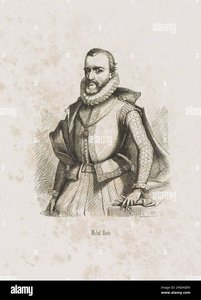
Михиэль ван Коксий
1499 - 1592 , Бельгия
Основные сведения
- Artistic Movement Or Style: Ренессанс и барокко
- Artists Or Movements Influenced By This Artist: ['Барочная живопись']
- Artists Who Influenced This Artist:
- Микеланджело
- Леонардо да Винчи
- Рафаэль
- Date Of Birth: Mechelen, Belgium (1499)
- Date Of Death: 1592
- Full Name: Michiel van Coxcie
- Nationality: Фламандский
- Notable Artworks:
- Возвращение Томырыса
- Адам и Бог
- Place Of Birth: Mechelen