

 Поделиться
 Поделиться
 Детали произведения

 Скачать
 Похожие работы
 Слайд-шоу
 Статистика
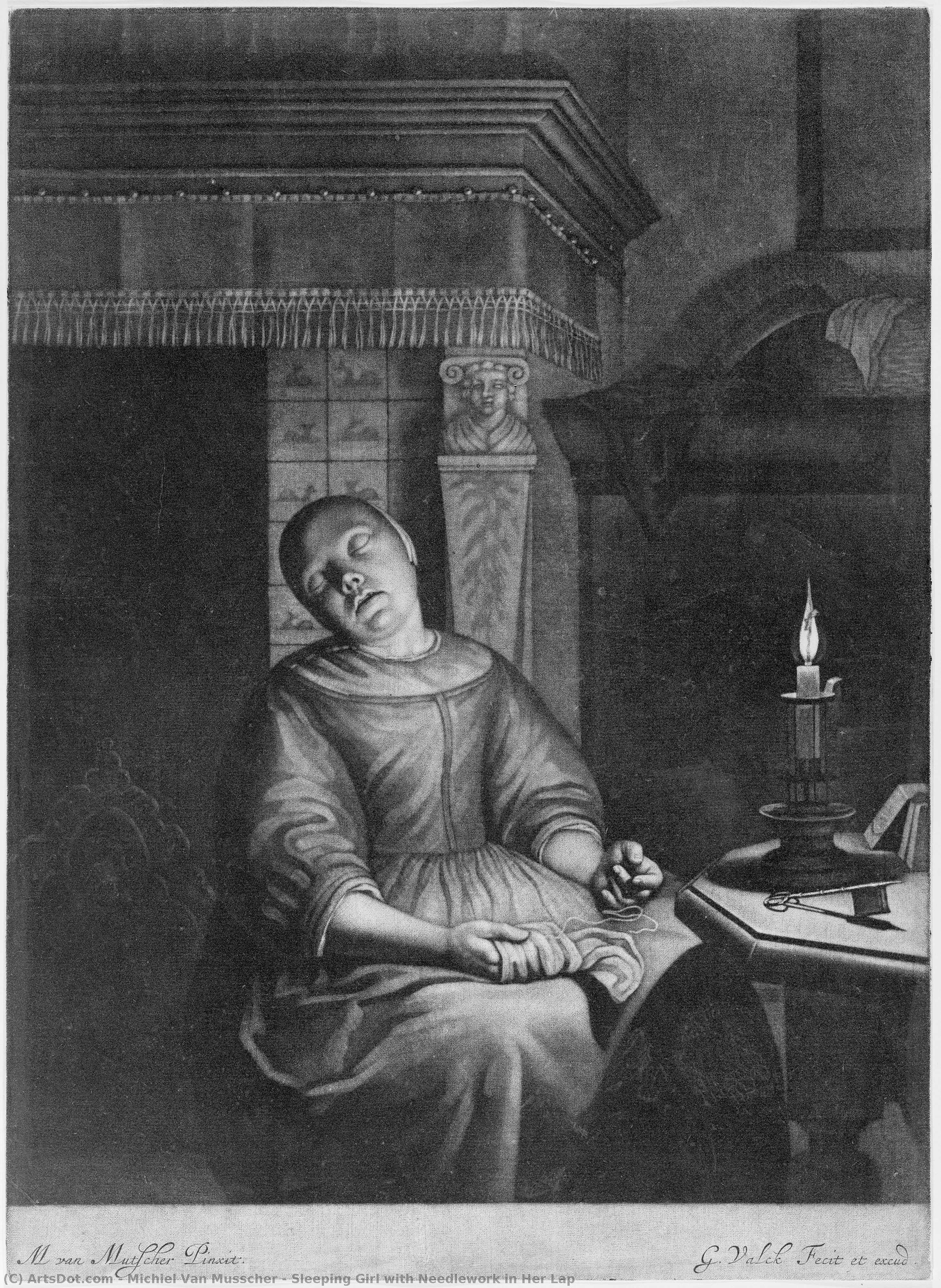
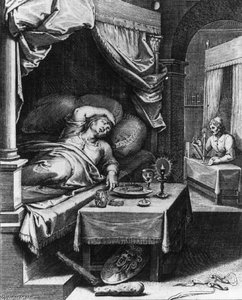
Sleeping Girl with Needlework in Her Lap


 Читать далее
Жикле / Арт-принт
Печать (жикле) или холст музейного качества с быстрыми сроками изготовления и широким выбором вариантов отделки. ( Купить картину ручной работы Перейти к цифровым изображениям)




































Выберите один из наших стандартных размеров, соответствующих оригинальным пропорциям произведения искусства.

Вы можете указать свои собственные размеры, чтобы репродукция идеально подошла под конкретную раму или пространство. Если выбранный вами размер не будет соответствовать пропорциям оригинала, мы либо обрежем произведение, либо дополним изображение зеркальным отражением краев или однотонной заливкой. Перед началом производства вам будет отправлен цифровой макет для утверждения.
Пожалуйста, обратите внимание, что предварительный просмотр на экране не отображает фактическую обрезку или расширение изображения. Только макет точно покажет финальную композицию.
Несмотря на возможность заказа индивидуальных размеров, мы рекомендуем выбирать размер из предопределенного списка, чтобы сохранить оригинальные пропорции.
Доставка по всему миру () за 2 недели вместо стандартных 4/5 недель. (11 Сентябрь)

Бесплатная экспресс-доставка по всему миру

Высококачественный льняной холст

Полное страхование доставки

Гарантия возмещения таможенных пошлин

Гарантия точного соответствия цветов

100-дневная политика возврата (только при обнаружении дефектов)

Гарантия возврата 100% средств

Предложение оптовых скидок
 Вариант со стеклом доступен только для размеров менее 110 см

Sleeping Girl with Needlework in Her Lap
Жикле / Арт-принт
Размер репродукции
-


Итоговая стоимость
$ 62
A Moment of Quietude: Michiel van Musscher’s “Sleeping Girl with Needlework in Her Lap”
Michiel van Musscher's "Sleeping Girl with Needlework in Her Lap," a captivating mezzotint from the late 17th century, offers a poignant glimpse into the domestic tranquility of early modern Dutch life. More than just a portrait, it’s a carefully constructed tableau vivant—a frozen moment imbued with an atmosphere of serene contemplation and quiet industry. The work, now residing within the Allen Memorial Art Museum in Oberlin, Ohio, speaks volumes about societal values, feminine roles, and the enduring appeal of capturing fleeting domestic scenes.
Van Musscher’s masterful technique is immediately apparent. The image unfolds through a dense network of meticulously etched lines – hatching and cross-hatching—that skillfully mimic the textures and tonal variations of oil paint. This approach, characteristic of mezzotint printing, creates a remarkable sense of depth and volume, imbuing even the simplest elements, like the girl’s sleeping form or the folds of her garment, with a tangible presence. The monochrome palette, ranging from deep grays to delicate light tones, further enhances this effect, drawing the viewer into the scene's intimate atmosphere.
The Anatomy of Domesticity
The composition itself is remarkably balanced and subtly engaging. A young girl, positioned centrally within a modestly furnished interior—a tiled wall hinting at a room’s structure and a carved wooden element suggesting a chair—is captured in the act of slumbering while diligently engaged in needlework. Her posture – head tilted gently downwards, hand resting on her lap – conveys both peaceful rest and focused concentration. The inclusion of a small table holding a candle and tools subtly reinforces the scene's domestic context, highlighting the girl’s role as a skilled artisan within her household.
The architectural details, though understated, are crucial to the work’s overall effect. The tiled wall provides a grounding element, anchoring the scene in a recognizable space while simultaneously creating a sense of depth and perspective. The carved wooden structure adds a touch of elegance and reinforces the image's connection to a comfortable, well-maintained home. These elements collectively contribute to a feeling of quiet order and understated beauty.
Symbolism and Social Context
“Sleeping Girl with Needlework in Her Lap” is not merely a depiction of a young woman’s pastime; it’s laden with symbolic meaning rooted in the social values of 17th-century Dutch society. The act of needlework, particularly embroidery, was traditionally associated with feminine virtues – diligence, patience, and skill. It represented a woman's contribution to the household economy and her ability to create beautiful objects. The girl’s sleep, meanwhile, symbolizes peace, innocence, and perhaps even a connection to the divine—a respite from the demands of daily life.
Furthermore, the scene reflects the prevailing societal ideal of domesticity – the notion that women were primarily responsible for managing the home and raising children. The girl’s quiet contemplation and focused activity reinforce this role, while simultaneously suggesting a degree of intellectual engagement beyond mere domestic duties. The work offers a subtle commentary on the expectations placed upon women during this period.
A Legacy of Dutch Refinement
Michiel van Musscher's “Sleeping Girl with Needlework in Her Lap” stands as a testament to the artistic achievements of the Dutch Golden Age. His meticulous attention to detail, masterful use of mezzotint technique, and ability to capture nuanced emotional states have secured his place as one of the era’s most accomplished artists. The work’s enduring appeal lies not only in its technical brilliance but also in its poignant portrayal of a quiet moment—a reminder of the beauty and tranquility found within the everyday rituals of domestic life.
Похожие произведения
Биография художника
A Master of Dutch Refinement: The Life and Art of Michiel van Musscher
Born in Rotterdam in January 1645, Michiel van Musscher emerged during the latter stages of the Dutch Golden Age, a period renowned for its artistic innovation and societal prosperity. From an early age, a remarkable talent for drawing was evident, nurtured by a family with artistic inclinations – his father, though primarily a grocer, had once been a painter, and both grandfathers practiced the craft. This familial connection undoubtedly played a role in shaping young Michiel’s path. His formal training began at fifteen, initially under Martinus Saeghmolen to grasp foundational drawing skills, followed by studies with Abraham van den Tempel where he learned the intricacies of paint mixing and application. However, it was his subsequent engagements with established masters – seven lessons with Gabriel Metsu and a three-month period with Adriaen van Ostade in Haarlem – that truly refined his technique and broadened his artistic horizons. Remarkably, despite the relatively brief duration of these apprenticeships, Van Musscher quickly distinguished himself, a testament to both innate ability and diligent self-practice.Ascension in Amsterdam: Portraiture and Patronage
The pivotal moment in Van Musscher’s career arrived with his relocation to Amsterdam. Securing employment with Jonas Witsen, a wealthy art enthusiast and influential figure within the city's elite circles, proved instrumental in establishing him as a sought-after portraitist. This connection opened doors to commissions from prominent families and societal leaders, allowing Van Musscher to flourish in a competitive artistic landscape. He quickly became known for his meticulous attention to detail, realistic depictions, and an overall refinement that captured the essence of his subjects with remarkable accuracy. While primarily celebrated for his portraits, Van Musscher also ventured into genre scenes, offering intimate glimpses into everyday life during this vibrant era. These works, though less numerous than his portraiture, demonstrate a similar dedication to realism and a keen observation of human interaction. His ability to convey both physical likeness and psychological depth set him apart, making his portraits not merely representations but insightful character studies.Style and Influences: A Synthesis of Dutch Masters
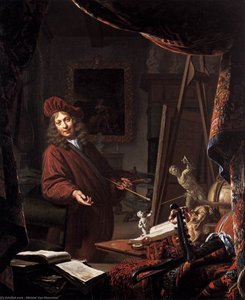
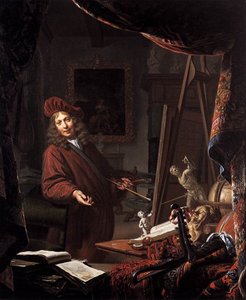
Van Musscher’s artistic style represents a compelling synthesis of the influences he absorbed throughout his training. The foundational skills imparted by Saeghmolen and van den Tempel were skillfully blended with the elegance and narrative flair learned from Metsu, and the earthy realism gleaned from Van Ostade. This amalgamation resulted in a distinctive aesthetic characterized by subdued color palettes, careful attention to light and shadow – creating a sense of depth and volume – and an unwavering commitment to accurate representation. His portraits are particularly notable for their masterful depiction of textures, fabrics, and the subtle nuances of human expression. The Painter’s Studio, one of his most celebrated works, provides a fascinating insight into the artistic practices of the time, offering a glimpse into Van Musscher's working environment and creative process. He wasn’t simply replicating appearances; he was striving to capture the inner lives of those he painted, imbuing each portrait with a sense of personality and dignity.Legacy and Historical Significance
Michiel van Musscher passed away in Amsterdam on June 20, 1705, leaving behind a legacy as one of the most accomplished portraitists of his generation. He trained several pupils, including Ottmar Elliger the Younger and Dirk Valkenburg, ensuring that his skills and knowledge were passed down to future artists. His work remains highly valued today for its historical significance, providing invaluable insights into the lives and appearances of prominent individuals during the Dutch Golden Age. Beyond their aesthetic qualities, Van Musscher’s portraits serve as important documents, offering a visual record of the clothing, customs, and social hierarchies of 17th-century Amsterdam. His paintings are not merely beautiful objects; they are windows into a bygone era. He stands as a testament to the enduring power of realism and the ability of art to capture the spirit of a time, solidifying his place as an important figure in Dutch art history.Notable Works
- Portrait of Eva Visscher, his wife – A tender portrayal showcasing his skill with delicate features and fabric rendering.
- Portrait of Johannes van Waveren Hudde – Depicting the mayor of Amsterdam and mathematician, this work exemplifies his ability to convey intellect and authority.
- Portret van Nicolaes Witsen – A tribute to his influential patron, showcasing a refined elegance befitting Witsen’s status.
- Double Portrait of Isaac Pontanus and Hendrik van Beek - Demonstrates his skill in capturing the dynamic between two figures.
- Thomas Hees and his Servant Thomas and Nephews Jan and Andries Hees – A complex group portrait revealing social dynamics of the time.
Michiel van Musscher
1643 - 1705 , Netherlands
Основные сведения
- Artistic Movement Or Style: Dutch Golden Age painting
- Artists Or Movements Influenced By This Artist:
- Ottmar Elliger the Younger
- Dirk Valkenburg
- Artists Who Influenced This Artist:
- Martinus Saeghmolen
- Abraham van den Tempel
- Gabriel Metsu
- Adriaen van Ostade
- Date Of Birth: January 1645
- Date Of Death: June 20, 1705
- Full Name: Michiel van Musscher
- Nationality: Dutch
- Notable Artworks:
- Portrait of Eva Visscher
- Johannes van Waveren Hudde
- Nicolaes Witsen portrait
- The Painter's Studio
- Place Of Birth: Rotterdam, Netherlands
Похожие статьи

Рембрандт ван Рейн: Топ-25 шедевров великого голландского мастера | ArtsDot
Погрузитесь в мир великого Рембрандта! 25 шедевров голландского барокко, истории создания картин и уникальные техники художника. Купите репродукции картин Рембрандта высочайшего качества для вашего интерьера на ArtsDot.com

Золотой век Голландии: 10 шедевров, изменивших искусство | ArtsDot.com
Погрузитесь в эпоху Золотого века Нидерландов! 10 шедевров Рембрандта, Вермеера и других мастеров. Узнайте истории создания культовых картин и вдохновитесь для интерьера. Репродукции музейного качества на ArtsDot.com.
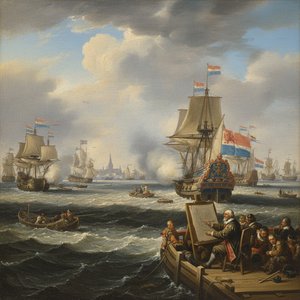
Willem van de Velde the Elder: Master of Maritime Painting & Chronicler of the Dutch Golden Age
Discover the captivating maritime paintings of Willem van de Velde the Elder, a master chronicler of the Dutch Golden Age. Explore his unparalleled realism and lasting influence on naval art history.

Golden Age Reflections: Dutch Baroque Painting & Cultural Innovation
Explore the Dutch Golden Age of painting! Discover key artists like Vermeer & ter Borch, their innovative techniques, and the rich cultural context behind these Baroque masterpieces. Learn about collecting & appreciating this iconic art period.

Illuminating Innovation: Exploring the Dutch Golden Age of Painting
Explore the Dutch Golden Age of painting with ArtsDot. Discover Rembrandt, Vermeer & other Masters. Learn about key characteristics, iconic artworks, and lasting influence. Expert insights for collectors & enthusiasts.