

 Предпросмотр
 Поделиться
 Поделиться
 Детали произведения

 Скачать
 Похожие работы
 Рентгенография
 Слайд-шоу
 Статистика
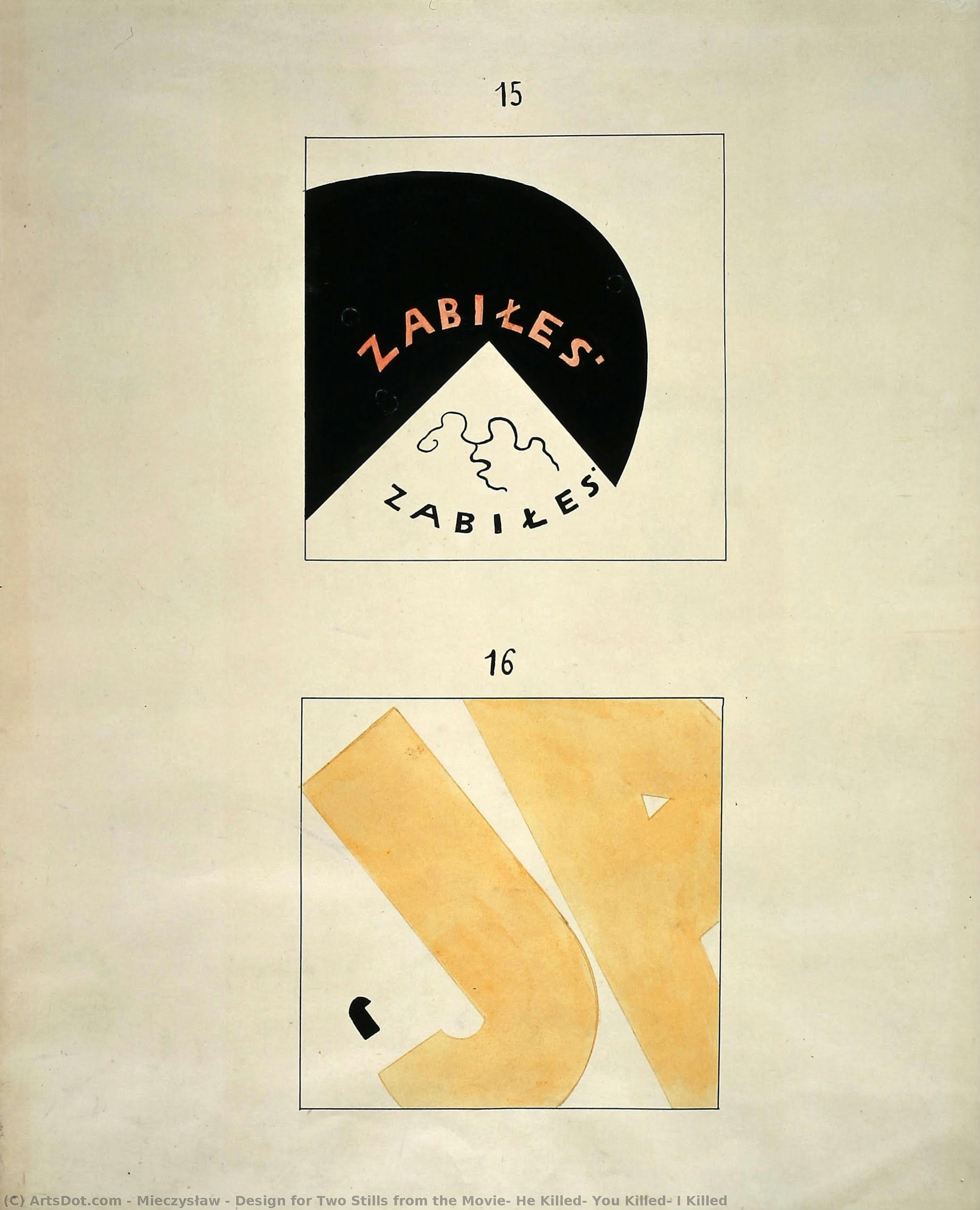
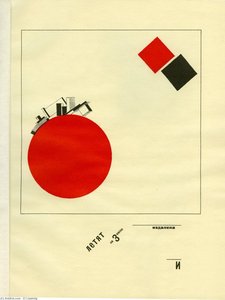
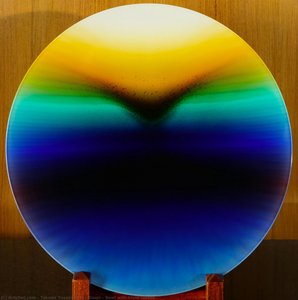
Design for Two Stills from the Movie: He Killed, You Killed, I Killed
 1925
1925 61.0 x 48.0 cm
 Читать далее
Жикле / Арт-принт
Печать (жикле) или холст музейного качества с быстрыми сроками изготовления и широким выбором вариантов отделки. ( Купить картину ручной работы Перейти к цифровым изображениям)




































Выберите один из наших стандартных размеров, соответствующих оригинальным пропорциям произведения искусства.

Вы можете указать свои собственные размеры, чтобы репродукция идеально подошла под конкретную раму или пространство. Если выбранный вами размер не будет соответствовать пропорциям оригинала, мы либо обрежем произведение, либо дополним изображение зеркальным отражением краев или однотонной заливкой. Перед началом производства вам будет отправлен цифровой макет для утверждения.
Пожалуйста, обратите внимание, что предварительный просмотр на экране не отображает фактическую обрезку или расширение изображения. Только макет точно покажет финальную композицию.
Несмотря на возможность заказа индивидуальных размеров, мы рекомендуем выбирать размер из предопределенного списка, чтобы сохранить оригинальные пропорции.
Доставка по всему миру () за 2 недели вместо стандартных 4/5 недель. (13 Сентябрь)

Бесплатная экспресс-доставка по всему миру

Высококачественный льняной холст

Полное страхование доставки

Гарантия возмещения таможенных пошлин

Гарантия точного соответствия цветов

100-дневная политика возврата (только при обнаружении дефектов)

Гарантия возврата 100% средств

Предложение оптовых скидок
 Вариант со стеклом доступен только для размеров менее 110 см

Design for Two Stills from the Movie: He Killed, You Killed, I Killed
Жикле / Арт-принт
Размер репродукции
-


Итоговая стоимость
$ 62
Похожие произведения


Биография художника
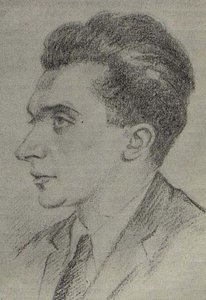
Mieczysław Szczuka: Life and Artistic Journey
- Born: October 19, 1898, Warsaw, Poland
- Died: August 13, 1927, Tatra Mountains, Poland (aged 28)
- Nationality: Polish
Mieczysław Szczuka was a significant figure in the Polish avant-garde art scene of the early 20th century. He was not only a painter and graphic artist but also an avid mountaineer, whose life tragically ended during a climbing expedition. His artistic career spanned various movements including Cubism, Futurism, Constructivism, and Productivism, reflecting his experimental approach to art and design.
Early Life and Artistic Education
- Szczuka received his formal artistic education at the Academy of Fine Arts in Warsaw from 1915 to 1918 under Professor Miłosz Kotarbiński.
- During this period, he met Teresa Żarnowerówna, who became both a life partner and a significant collaborator in his artistic endeavors.
- Initially influenced by Expressionism, Szczuka's early works featured dramatic religious paintings exhibited at the Polish Arts Club in Warsaw in 1920.
Artistic Development and Key Movements
- Shift to Constructivism: By 1921, Szczuka began moving away from traditional painting towards more abstract and spatial compositions, influenced by Cubism and Futurism. He experimented with wood and papier-mâché, creating multi-faceted works that explored textural effects and color intensity.
- Productivism and Utilitarianism: A key aspect of Szczuka's artistic philosophy was his embrace of Productivism, advocating for the social utility of art. This led him to focus on design projects such as typography, theatre sets, monuments, and abstract films.
- "Blok" Group: In 1924, he co-founded the "Blok" group alongside Żarnowerówna, Henryk Stażewski, and Edmund Miller. This collective championed Constructivist and Suprematist ideals in Polish art. The group's journal served as a platform for disseminating their ideas and showcasing their work.
- Influence of Russian Constructivism: Szczuka’s artistic evolution was significantly shaped by Russian Constructivism, which emphasized the integration of art with social and industrial production.
Major Works and Contributions
- Spatial Construction – Portrait of a Revolutionary (1922): This work exemplifies his exploration of spatial design and typography.
- Abstract Films: Szczuka experimented with abstract film, pushing the boundaries of cinematic expression. Details about these films are scarce but demonstrate his innovative spirit.
- Book Illustrations and Typography Designs: He made significant contributions to Polish book illustration and typography, reflecting his commitment to utilitarian art.
- Theatrical Set Design: Szczuka designed sets for theatrical productions, integrating avant-garde aesthetics into the performing arts.
Legacy and Historical Significance
- Szczuka's work remains an important example of Polish Constructivism and Productivism, demonstrating a commitment to social engagement and functional design.
- His tragic death at a young age cut short a promising career, but his contributions continue to inspire artists and designers today.
- He is remembered as a pioneer who challenged traditional artistic conventions and sought to integrate art with everyday life.
Mieczysław Szczuka
1898 - 1927 , Poland
Основные сведения
- Artistic Movement Or Style:
- Constructivism
- Productivism
- Artists Or Movements Influenced By This Artist: ['Blok Group']
- Artists Who Influenced This Artist:
- Miłosz Kotarbiński
- Futurists
- Dadaists
- Date Of Birth: October 19, 1898
- Date Of Death: August 13, 1927
- Full Name: Mieczysław Szczuka
- Nationality: Polish
- Notable Artworks:
- Spatial Construction – Portrait
- Self-Portrait with a Palette
- Place Of Birth: Warsaw, Poland