

 Предпросмотр
 Поделиться
 Поделиться
 Детали произведения

 Скачать
 Похожие работы
 Рентгенография
 Слайд-шоу
 Статистика
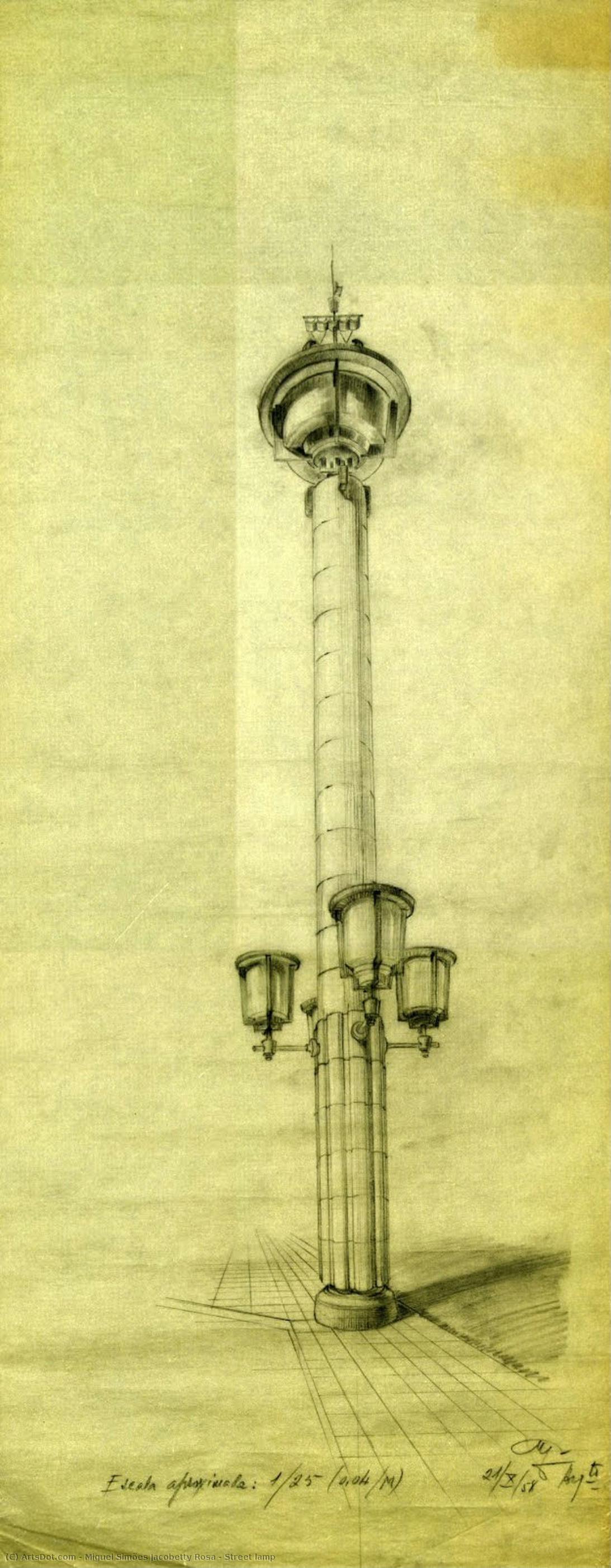
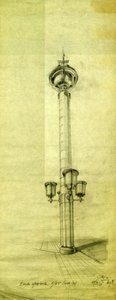
Street lamp
 1958
1958 37.0 cm
 Lisboa Municipal Archive
 Читать далее
Масляная репродукция ручной работы
Картина маслом на холсте в выбранном вами размере и раме, написанная на заказ нашими художниками. ( Перейти к печати Перейти к цифровым изображениям)




































Выберите один из наших стандартных размеров, соответствующих оригинальным пропорциям произведения искусства.

Вы можете указать собственные размеры, чтобы картина идеально вписалась в выбранную раму или пространство. Если выбранный вами размер не соответствует пропорциям оригинала, мы либо обрежем полотно, либо расширим его за счет дополнительных элементов, написанных вручную. Цифровой макет будет отправлен вам на утверждение перед началом производства.
Обратите внимание, что предварительный просмотр на экране не отражает фактическую обрезку или расширение. Только макет точно покажет окончательную композицию.
Хотя доступны индивидуальные размеры, мы рекомендуем выбирать вариант из предопределенного списка, чтобы сохранить исходные пропорции.
После оформления заказа команда ArtsDot.com свяжется с клиентом по электронной почте для уточнения деталей и предоставит предварительный макет
Доставка по всему миру () за 3–4 недели вместо стандартных 5 недель. (11 Сентябрь). Без компромиссов в качестве.

Бесплатная экспресс-доставка по всему миру

Высококачественный льняной холст

Полное страхование доставки

Гарантия возмещения таможенных пошлин

Гарантия точного соответствия цветов

100-дневная политика возврата (только при обнаружении дефектов)

Гарантия возврата 100% средств

Предложение оптовых скидок
 Вариант со стеклом доступен только для размеров менее 110 см

Street lamp
Техника репродукции
Размер репродукции
-


Итоговая стоимость
$ 263
Похожие произведения




Биография художника
The Architect of Lisbon’s Modern Vision
In the tapestry of Portuguese architectural history, few names resonate with as much structural elegance and urban foresight as Miguel Simões Jacobetty Rosa. Born in 1901 amidst the monastic echoes of Alcobaça, Rosa was a man shaped by the profound interplay between tradition and progress. The son of a priest, his early years were steeped in an environment that valued craftsmanship, spatial harmony, and a deep respect for heritage—elements that would later become the silent heartbeat of his modernist masterpieces. After graduating from the Universidade Técnica Lisboa in 1928, he emerged not merely as a builder of walls, but as a visionary capable of reshaping the very soul of Lisbon.
The evolution of Rosa’s aesthetic journey is a captivating study of shifting European currents. His early forays into architecture were marked by the sophisticated flourishes of the Art Deco movement, where he explored the rhythmic geometry and decorative grace that defined the era. However, the true metamorphosis of his style occurred through his profound engagement with the Bauhaus principles championed by Walter Gropius. This encounter with functionalism stripped away the superfluous, teaching him to find beauty in the purity of form and the efficiency of purpose. His work began to breathe with a new, streamlined vitality, blending the elegance of the past with the industrial optimism of the future.
Urban Legacies and Monumental Achievements
Rosa’s impact on the urban fabric of Portugal was nothing short of revolutionary. He did not merely design isolated structures; he orchestrated the revitalization of Lisbon itself. As a master town planner, he addressed the pressing challenges of mid-20th-century urbanization, seeking to alleviate overcrowding by integrating lush green spaces and prioritizing the human experience through pedestrian-friendly designs. His ambitious urban plans for regions such as Portalegre, Vila Franca de Xira, and Alhandra demonstrated a commitment to a cohesive national identity that balanced growth with livability.
The sheer scale of his achievements is best reflected in the landmarks that continue to define the Portuguese landscape:
- Estádio Nacional José Alfalá Lisboa: Perhaps his most iconic contribution, this monumental structure, completed in 1954 in collaboration with António Serrão, stands as a triumph of large-scale design and a symbol of national pride.
- Pousada de Santa Luzia: A stunning manifestation of Art Deco elegance, this project showcased his ability to marry luxury with historical sensitivity.
- The Alvalade Neighborhood: His involvement in the construction of this district near Lisbon highlighted his social conscience, as he planned housing specifically designed for those displaced from the city center.
- Valmor Prize Recognition: His mastery was frequently honored by the prestigious Valmor Prize, notably in 1931 and 1934, cementing his status among the elite architects of his generation.
Beyond the concrete and steel, Rosa’s legacy is one of profound historical significance. He was a man who could navigate the complexities of social necessity and artistic ambition with equal grace. By the time of his passing in 1970, he had left behind a city transformed—a Lisbon that embraced the modern age without losing its connection to the earth and its history. His life remains a testament to the power of architecture to serve as both a functional tool for progress and a timeless vessel for cultural expression.
miguel simões jacobetty rosa
1901 - 1970 , Portugal
Основные сведения
- Artistic Movement Or Style: Modernist
- Artists Or Movements Influenced By This Artist: ['Bauhaus']
- Artists Who Influenced This Artist:
- Frank Lloyd Wright
- Le Corbusier
- Date Of Birth: February 24, 1901
- Date Of Death: 1970
- Full Name: Miguel Simões Jacobetty Rosa
- Nationality: Portuguese
- Notable Artworks:
- Estádio Nacional
- Pousada Santa Luzia
- Place Of Birth: Alcobaça, Portugal