Поделиться
 Поделиться
 Детали произведения

 Скачать
 Похожие работы
 Слайд-шоу
 Статистика
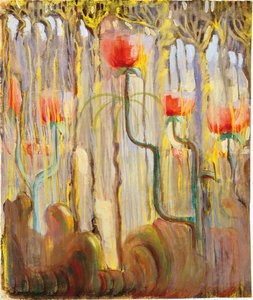
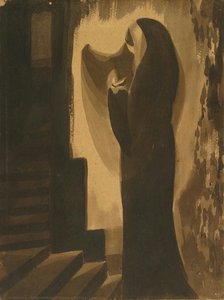
Funeral Symphony. VII from the cycle of 7 paintings
 Giclée Print
- Digital
- Symbolist Movement
 1903
1903- 19th Century
 Национальный художественный музей Михаила Константиновича Чюрлёниса
 Читать далее
Масляная репродукция ручной работы
Картина маслом на холсте в выбранном вами размере и раме, написанная на заказ нашими художниками. ( Перейти к печати Перейти к цифровым изображениям)




































Выберите один из наших стандартных размеров, соответствующих оригинальным пропорциям произведения искусства.

Вы можете указать собственные размеры, чтобы картина идеально вписалась в выбранную раму или пространство. Если выбранный вами размер не соответствует пропорциям оригинала, мы либо обрежем полотно, либо расширим его за счет дополнительных элементов, написанных вручную. Цифровой макет будет отправлен вам на утверждение перед началом производства.
Обратите внимание, что предварительный просмотр на экране не отражает фактическую обрезку или расширение. Только макет точно покажет окончательную композицию.
Хотя доступны индивидуальные размеры, мы рекомендуем выбирать вариант из предопределенного списка, чтобы сохранить исходные пропорции.
После оформления заказа команда ArtsDot.com свяжется с клиентом по электронной почте для уточнения деталей и предоставит предварительный макет
Доставка по всему миру () за 3–4 недели вместо стандартных 5 недель. (14 Сентябрь). Без компромиссов в качестве.

Бесплатная экспресс-доставка по всему миру

Высококачественный льняной холст

Полное страхование доставки

Гарантия возмещения таможенных пошлин

Гарантия точного соответствия цветов

100-дневная политика возврата (только при обнаружении дефектов)

Гарантия возврата 100% средств

Предложение оптовых скидок
 Вариант со стеклом доступен только для размеров менее 110 см

Funeral Symphony. VII from the cycle of 7 paintings
Техника репродукции
Размер репродукции
-


Итоговая стоимость
$ 263
A Moment of Quiet Contemplation: Exploring "Funeral Symphony. VII" by Mikalojus Konstantinas Čiurlionis
Mikalojus Konstantinas Čiurlionis’s “Funeral Symphony. VII,” painted in 1903, is more than just a depiction of a solitary figure; it's an invitation to pause and consider the profound weight of existence. This pastel masterpiece, part of a larger seven-panel cycle, captures a poignant moment of introspection within a carefully constructed symbolic landscape. The painting’s power resides in its ability to evoke a deep sense of melancholy and quiet contemplation, qualities that were central to Čiurlionis' artistic vision.
- Subject Matter: The image presents a man standing before a window, his posture suggesting a deliberate act of observation. He is not actively engaged in grief, but rather lost in thought, gazing outwards as if searching for answers or solace within the unseen world.
- Color Palette & Technique: Čiurlionis masterfully employs pastel hues – predominantly blues and subtle shades – to create an atmosphere of ethereal beauty and dreamlike quality. The soft application of color contributes significantly to the painting’s overall mood, lending it a gentle, almost melancholic resonance. His technique emphasizes delicate layering and blending, characteristic of his approach to capturing light and emotion.
Symbolism Rooted in Lithuanian Folklore and Spiritualism
Čiurlionis was deeply influenced by Lithuanian folklore, symbolism, and the burgeoning spiritualist movements of the late 19th and early 20th centuries. “Funeral Symphony. VII” is rich with symbolic elements that invite interpretation. The window itself represents a portal – not just to the outside world, but perhaps to another realm or state of being. The man’s downward gaze suggests a confrontation with mortality, a common theme in Čiurlionis' work reflecting his own struggles with illness and mortality.
- The Blue Wall: The dominant blue color is often associated with spirituality, melancholy, and the infinite – key elements within Čiurlionis’s symbolic language.
- Recurring Motifs: Like other works in the cycle, this piece utilizes recurring motifs of windows and figures contemplating nature, reflecting a desire to connect with something larger than oneself.
Historical Context & Artistic Influences
Painted during a period of significant artistic innovation, “Funeral Symphony. VII” reflects Čiurlionis’s pioneering role in Lithuanian art. He was part of a wave of artists seeking to redefine national identity through symbolic representation and deeply personal expression. His style draws heavily from Symbolism – a movement that prioritized emotional impact over realistic depiction – as well as the Romantic tradition's emphasis on nature and the sublime. Čiurlionis’s work anticipated many of the trends in modern art, particularly its focus on subjective experience and spiritual themes.
Born in Šiauliai in 1875, Čiurlionis’s early life was marked by illness, which profoundly shaped his artistic vision. His dedication to capturing the beauty and mystery of the natural world, combined with his deeply felt spirituality, resulted in a body of work that continues to resonate with viewers today.
A Timeless Reflection on Human Experience
"Funeral Symphony. VII" is more than just a beautiful painting; it’s a powerful meditation on life, death, and the human condition. Its evocative atmosphere and symbolic depth make it a compelling addition to any collection or a striking focal point within an interior design scheme. A hand-painted reproduction of this remarkable artwork offers a unique opportunity to experience Čiurlionis' artistic vision firsthand, bringing a touch of contemplative beauty into your space.
Похожие произведения
Биография художника
Early Life and Artistic Beginnings
Mikalojus Konstantinas Čiurlionis, a luminary of Lithuanian art, was born in 1875 in Šiauliai, a city steeped in history and cultural significance. His early years were shaped by the vibrant atmosphere of Vilnium, where his initial fascination with both music and visual arts began to blossom. This formative period laid the groundwork for his unique artistic vision – one that would later intertwine the realms of sound and color in profoundly evocative ways. Čiurlionis’s family background—his mother hailing from a Lutheran lineage in Bavaria and his father an organist deeply involved in the local musical scene—contributed significantly to his appreciation for diverse artistic expressions. He spent his youth in Druskininkai and Plungiai, absorbing the beauty of Lithuania's landscapes and developing a keen eye for detail. These early experiences would profoundly influence his later work, particularly his depictions of nature’s ethereal qualities.Artistic Style and Influences
Čiurlionis’s artistic style is deeply rooted in Symbolism, a movement that sought to transcend mere representation and delve into the realm of emotions and ideas through subtle suggestion rather than direct depiction. His paintings are often characterized by a dreamlike quality—ethereal figures emerge from hazy landscapes, bathed in soft light, creating an atmosphere of profound spirituality and introspection. He wasn’t simply painting what he saw; he was conveying feelings, memories, and the mysteries of existence. The influence of Symbolism is evident in his use of muted colors, flowing lines, and a deliberate avoidance of sharp outlines—techniques that contribute to the overall sense of mystery and enchantment. Furthermore, Čiurlionis’s work demonstrates an early engagement with abstraction, foreshadowing developments in 20th-century art. He was particularly inspired by artists like Antoni Sygietyński and Zygmunt Noskowski, whose musical compositions resonated deeply within him, fueling his desire to translate auditory experiences into visual form.Major Works and Techniques
Čiurlionis’s oeuvre is remarkably diverse, encompassing a vast range of subjects—from landscapes and portraits to abstract compositions and musical frescoes. Among his most celebrated works are “In the Forest” and “The Sea,” symphonic poems that capture the essence of Lithuanian nature with breathtaking beauty and emotional depth. These pieces exemplify his unique approach to translating music into visual form, utilizing color and line to evoke the rhythms and harmonies of sound. His paintings often feature recurring motifs—such as trees, water, and celestial bodies—which he imbued with symbolic meaning. He meticulously studied the effects of light and shadow, employing a delicate palette and subtle brushstrokes to create an atmosphere of luminous serenity. His innovative use of color – particularly his exploration of complementary hues – further enhanced the evocative power of his work.Museological Significance and Legacy
Mikalojus Konstantinas Čiurlionis’s legacy extends far beyond his own creations. His influence can be seen in numerous museums and collections across Europe, including the prestigious M. K. Čiurlionis National Art Museum in Kaunas, Lithuania—a repository of his vast artistic output. The museum provides a comprehensive overview of his life and work, allowing visitors to trace the evolution of his style and appreciate the depth of his artistic vision. Furthermore, his art has been recognized internationally, contributing significantly to the development of Lithuanian culture and identity. His pioneering spirit and innovative approach to painting continue to inspire artists today, solidifying his place as a pivotal figure in the history of modern art. The exploration of his work offers a profound insight into the intersection of music, nature, and spirituality—themes that remain remarkably relevant in our contemporary world.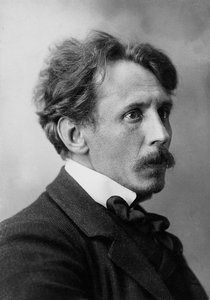
Микалоюс Константас Чюрлёнис
1875 - 1911 , Литва
Основные сведения
- Artistic Movement Or Style: Символизм
- Artists Or Movements Influenced By This Artist: ['Литвичьская культура']
- Artists Who Influenced This Artist: ['Антоний Сигетийский']
- Date Of Birth: 22 сентября 1875 г.
- Date Of Death: 10 апреля 1911 г.
- Full Name: Mikalojus Konstantinas Čiurlionis
- Nationality: Литвинец
- Notable Artworks:
- В лесу
- Море
- Place Of Birth: Сенио Варена, Литва
Похожие статьи
Beyond Symbolism: Exploring the Spiritual Landscapes of Mikalojus Konstantinas Čiurlionis's Art
Explore the captivating world of Mikalojus Konstantinas Čiurlionis, a pioneer of abstract art. Discover his unique blend of music and painting, spiritual themes, and lasting influence on Lithuanian culture. Learn more at ArtsDot.

The Subdued Radiance of Pastel: Exploring Nuance & Emotion in Art
Explore the nuanced world of pastel art! Discover its history, techniques & emotional power with expert insights from ArtsDot.com. Find museum-quality reproductions and learn about collecting this delicate medium.
The Subdued Radiance of Pastel Palettes: Exploring Emotional Resonance in Art History
Explore the emotional power of pastel palettes in art history! Discover Impressionism, Post-Impressionism & color psychology insights. Find museum-quality reproductions at ArtsDot.

The Subdued Radiance of Pastel Palettes: Exploring Emotional Resonance in Art History
Explore the emotional power of pastel palettes in art history! Discover Impressionism, Post-Impressionism & color psychology insights. Find museum-quality reproductions at ArtsDot.

The Subtleties of Pastel: A Comprehensive Exploration of Technique, History & Emotional Resonance
Explore the captivating world of pastel art! Discover its rich history, Impressionistic masters like Degas, emotional power & unique techniques. Find museum-quality reproductions at ArtsDot.