 Предпросмотр
 Поделиться
 Поделиться
 Детали произведения

 Скачать
 Похожие работы
 Рентгенография
 Слайд-шоу
 Статистика
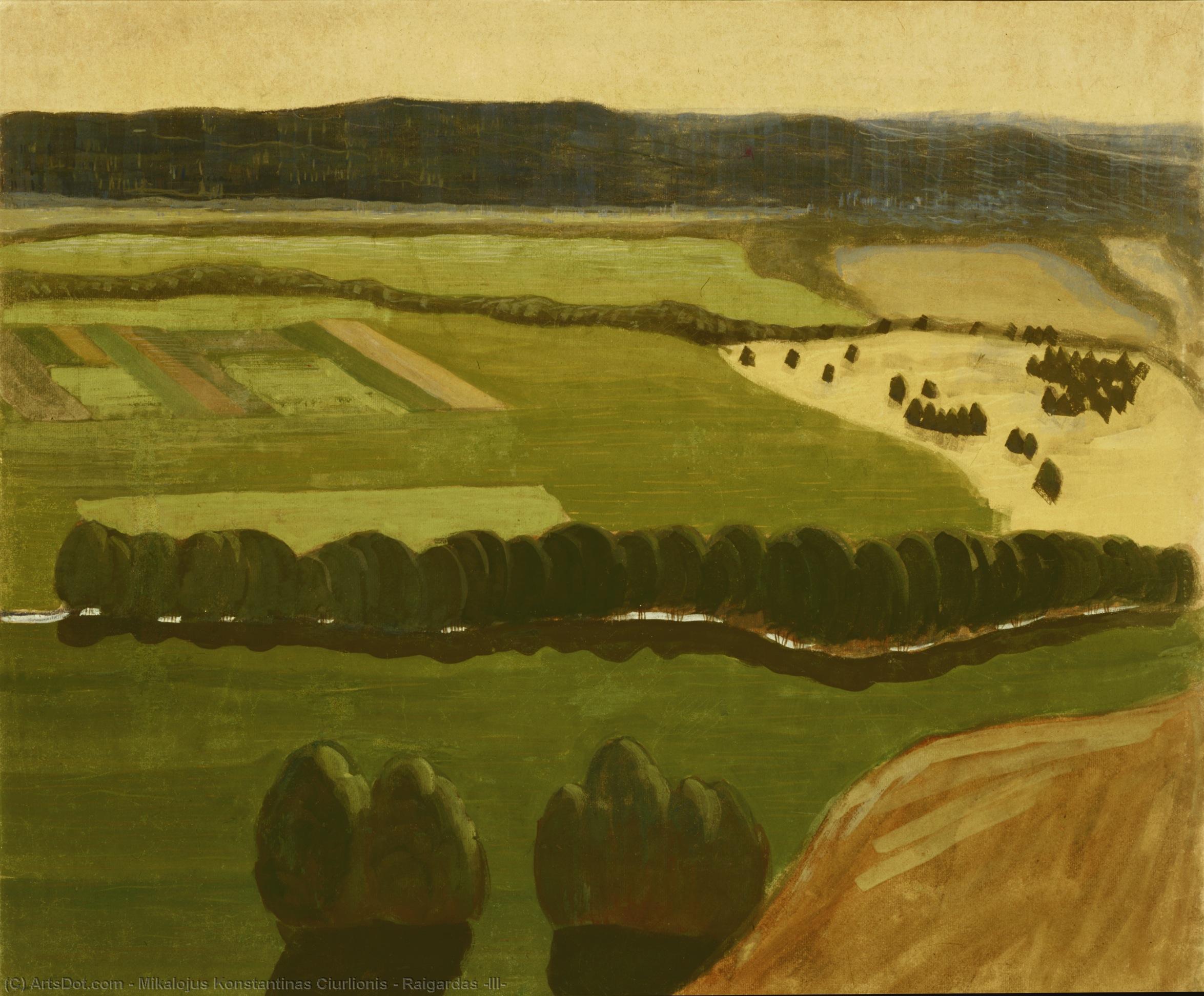
Raigardas (III)


 Читать далее
Масляная репродукция ручной работы
Картина маслом на холсте в выбранном вами размере и раме, написанная на заказ нашими художниками. ( Перейти к печати Перейти к цифровым изображениям)




P118B $10

P118H $10

P118W $10

P438Z $10

P508JH $12

P508YH $12

P805H $10

P805Z $10

P919BZ $10

P919G $10

P919XJ $10

P959ZH $10

P968JZ $12

W106C $8

W218G $10

W218JH $8

W218Y $10

W307PJ $10

W316G $10

W316PJ $8

W316Y $10

W398PJ $8

W4111J $10

W500HY $15

W500JH $15

W692G $12

W849H $8

W940BG $15

W953PJ $8




Выберите один из наших стандартных размеров, соответствующих оригинальным пропорциям произведения искусства.

Вы можете указать собственные размеры, чтобы картина идеально вписалась в выбранную раму или пространство. Если выбранный вами размер не соответствует пропорциям оригинала, мы либо обрежем полотно, либо расширим его за счет дополнительных элементов, написанных вручную. Цифровой макет будет отправлен вам на утверждение перед началом производства.
Обратите внимание, что предварительный просмотр на экране не отражает фактическую обрезку или расширение. Только макет точно покажет окончательную композицию.
Хотя доступны индивидуальные размеры, мы рекомендуем выбирать вариант из предопределенного списка, чтобы сохранить исходные пропорции.
После оформления заказа команда ArtsDot.com свяжется с клиентом по электронной почте для уточнения деталей и предоставит предварительный макет
Доставка по всему миру () за 3–4 недели вместо стандартных 5 недель. (12 Сентябрь). Без компромиссов в качестве.

Бесплатная экспресс-доставка по всему миру

Высококачественный льняной холст

Полное страхование доставки

Гарантия возмещения таможенных пошлин

Гарантия точного соответствия цветов

100-дневная политика возврата (только при обнаружении дефектов)

Гарантия возврата 100% средств

Предложение оптовых скидок
 Вариант со стеклом доступен только для размеров менее 110 см

Raigardas (III)
Техника репродукции
Размер репродукции
-


Итоговая стоимость
$ 263
A Symphony of Earth and Ether
In the evocative masterpiece Raigardas (III), painted in 1907, the Lithuanian visionary Mikalojus Konstantinas Čiurlionis invites us into a realm where the boundaries between the physical landscape and the spiritual cosmos begin to dissolve. This breathtaking work serves as a profound testament to the artist's unique ability to weave the tangible textures of nature with the intangible whispers of symbolism. At first glance, the viewer is greeted by a lush, fertile expanse—a tapestry of wheat, corn, and diverse crops that pulse with the vitality of life. Yet, beneath this pastoral surface lies a deeper, more rhythmic composition that mirrors the composer's soul, as if each stroke of the brush were a note in a visual symphony.
The landscape unfolds with a serene grace, where scattered trees stand like silent sentinels over a flowing river that meanders through the heart of the scene. This water element does more than provide a sense of tranquility; it acts as a mirror to the heavens, reflecting the light and movement of the atmosphere above. The technique employed by Čiurlionis is nothing short of enchanting, utilizing a soft, almost ethereal application of color that creates a dreamlike haze. The interplay of light across the undulating fields suggests a moment suspended in time, capturing the fleeting beauty of a summer afternoon while hinting at the eternal cycles of growth and decay that define our existence.
The Symbolist Vision and Historical Resonance
To understand Raigardas (III), one must delve into the heart of the Symbolist movement that defined Čiurlionis's short but brilliant career. As a pioneer who sought to bridge the gap between music and painting, his work often transcends mere representation to evoke profound emotional states. In this piece, the fertile fields are not merely agricultural subjects; they are symbols of abundance, rebirth, and the interconnectedness of all living things. The composition achieves a rare sense of harmony, where the structured rows of crops find balance with the wilder, organic forms of the trees and the fluid motion of the river, creating a visual equilibrium that resonates deeply with the human psyche.
For the discerning collector or interior designer, this painting offers much more than aesthetic appeal; it provides an emotional anchor for any space. The subtle textures and the rich, earthy palette evoke a sense of groundedness, while the mystical atmosphere invites contemplation and peace. Whether placed in a grand gallery or a private study, a high-quality reproduction of this work brings with it the legacy of a master who saw the divine within the natural world. It is an invitation to slow down, to breathe with the rhythm of the earth, and to find beauty in the quiet, harmonious intersections of life.
Похожие произведения
Биография художника
Early Life and Artistic Beginnings
Mikalojus Konstantinas Čiurlionis, a luminary of Lithuanian art, was born in 1875 in Šiauliai, a city steeped in history and cultural significance. His early years were shaped by the vibrant atmosphere of Vilnium, where his initial fascination with both music and visual arts began to blossom. This formative period laid the groundwork for his unique artistic vision – one that would later intertwine the realms of sound and color in profoundly evocative ways. Čiurlionis’s family background—his mother hailing from a Lutheran lineage in Bavaria and his father an organist deeply involved in the local musical scene—contributed significantly to his appreciation for diverse artistic expressions. He spent his youth in Druskininkai and Plungiai, absorbing the beauty of Lithuania's landscapes and developing a keen eye for detail. These early experiences would profoundly influence his later work, particularly his depictions of nature’s ethereal qualities.Artistic Style and Influences
Čiurlionis’s artistic style is deeply rooted in Symbolism, a movement that sought to transcend mere representation and delve into the realm of emotions and ideas through subtle suggestion rather than direct depiction. His paintings are often characterized by a dreamlike quality—ethereal figures emerge from hazy landscapes, bathed in soft light, creating an atmosphere of profound spirituality and introspection. He wasn’t simply painting what he saw; he was conveying feelings, memories, and the mysteries of existence. The influence of Symbolism is evident in his use of muted colors, flowing lines, and a deliberate avoidance of sharp outlines—techniques that contribute to the overall sense of mystery and enchantment. Furthermore, Čiurlionis’s work demonstrates an early engagement with abstraction, foreshadowing developments in 20th-century art. He was particularly inspired by artists like Antoni Sygietyński and Zygmunt Noskowski, whose musical compositions resonated deeply within him, fueling his desire to translate auditory experiences into visual form.Major Works and Techniques
Čiurlionis’s oeuvre is remarkably diverse, encompassing a vast range of subjects—from landscapes and portraits to abstract compositions and musical frescoes. Among his most celebrated works are “In the Forest” and “The Sea,” symphonic poems that capture the essence of Lithuanian nature with breathtaking beauty and emotional depth. These pieces exemplify his unique approach to translating music into visual form, utilizing color and line to evoke the rhythms and harmonies of sound. His paintings often feature recurring motifs—such as trees, water, and celestial bodies—which he imbued with symbolic meaning. He meticulously studied the effects of light and shadow, employing a delicate palette and subtle brushstrokes to create an atmosphere of luminous serenity. His innovative use of color – particularly his exploration of complementary hues – further enhanced the evocative power of his work.Museological Significance and Legacy
Mikalojus Konstantinas Čiurlionis’s legacy extends far beyond his own creations. His influence can be seen in numerous museums and collections across Europe, including the prestigious M. K. Čiurlionis National Art Museum in Kaunas, Lithuania—a repository of his vast artistic output. The museum provides a comprehensive overview of his life and work, allowing visitors to trace the evolution of his style and appreciate the depth of his artistic vision. Furthermore, his art has been recognized internationally, contributing significantly to the development of Lithuanian culture and identity. His pioneering spirit and innovative approach to painting continue to inspire artists today, solidifying his place as a pivotal figure in the history of modern art. The exploration of his work offers a profound insight into the intersection of music, nature, and spirituality—themes that remain remarkably relevant in our contemporary world.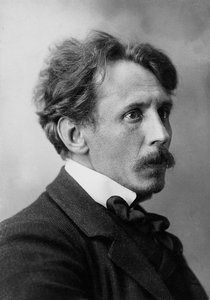
Микалоюс Константас Чюрлёнис
1875 - 1911 , Литва
Основные сведения
- Artistic Movement Or Style: Символизм
- Artists Or Movements Influenced By This Artist: ['Литвичьская культура']
- Artists Who Influenced This Artist: ['Антоний Сигетийский']
- Date Of Birth: 22 сентября 1875 г.
- Date Of Death: 10 апреля 1911 г.
- Full Name: Mikalojus Konstantinas Čiurlionis
- Nationality: Литвинец
- Notable Artworks:
- В лесу
- Море
- Place Of Birth: Сенио Варена, Литва
Похожие статьи
Топ-10 шедевров искусства о спокойствии и умиротворении | ArtsDot
Погрузитесь в мир спокойствия с топ-10 шедеврами искусства! От Моне до Ван Гога – откройте истории, техники и вдохновение великих художников. Идеальные картины для медитации и гармонии в интерьере. Репродукции музейного качества на ArtsDot.com.

Джон Констебль: 25 шедевров английского пейзажа для вашего интерьера
Погрузитесь в мир английского пейзажа с Джоном Констеблом! 25 шедевров романтизма, история создания картин и вдохновение для вашего интерьера. Репродукции высокого качества на ArtsDot.com – искусство для ценителей.

Романтический пейзаж: 10 шедевров, изменивших искусство | ArtsDot.com
Погрузитесь в мир романтического пейзажа! 10 шедевров Фридриха, Тёрнера и других гениев. Узнайте историю создания культовых картин и вдохновитесь для декора интерьера. Репродукции высокого качества на ArtsDot.com.
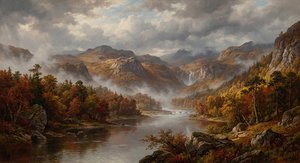
Школа реки Гудзон: 10 шедевров, изменивших американскую живопись | ArtsDot
Погрузитесь в мир Школы реки Гудзон! 10 шедевров Томаса Коула, Фредерика Чёрча и других мастеров американского романтизма. Купите репродукции картин высокого качества для вашего интерьера на ArtsDot.com.
Serene Visions: Exploring Themes of Tranquility in Art History & Contemporary Practice
Explore the history of serene landscape art & discover artists who evoke tranquility. Find the perfect calming artwork for your home with expert guidance from ArtsDot.