

 Предпросмотр
 Поделиться
 Поделиться
 Детали произведения

 Скачать
 Похожие работы
 Рентгенография
 Слайд-шоу
 Статистика
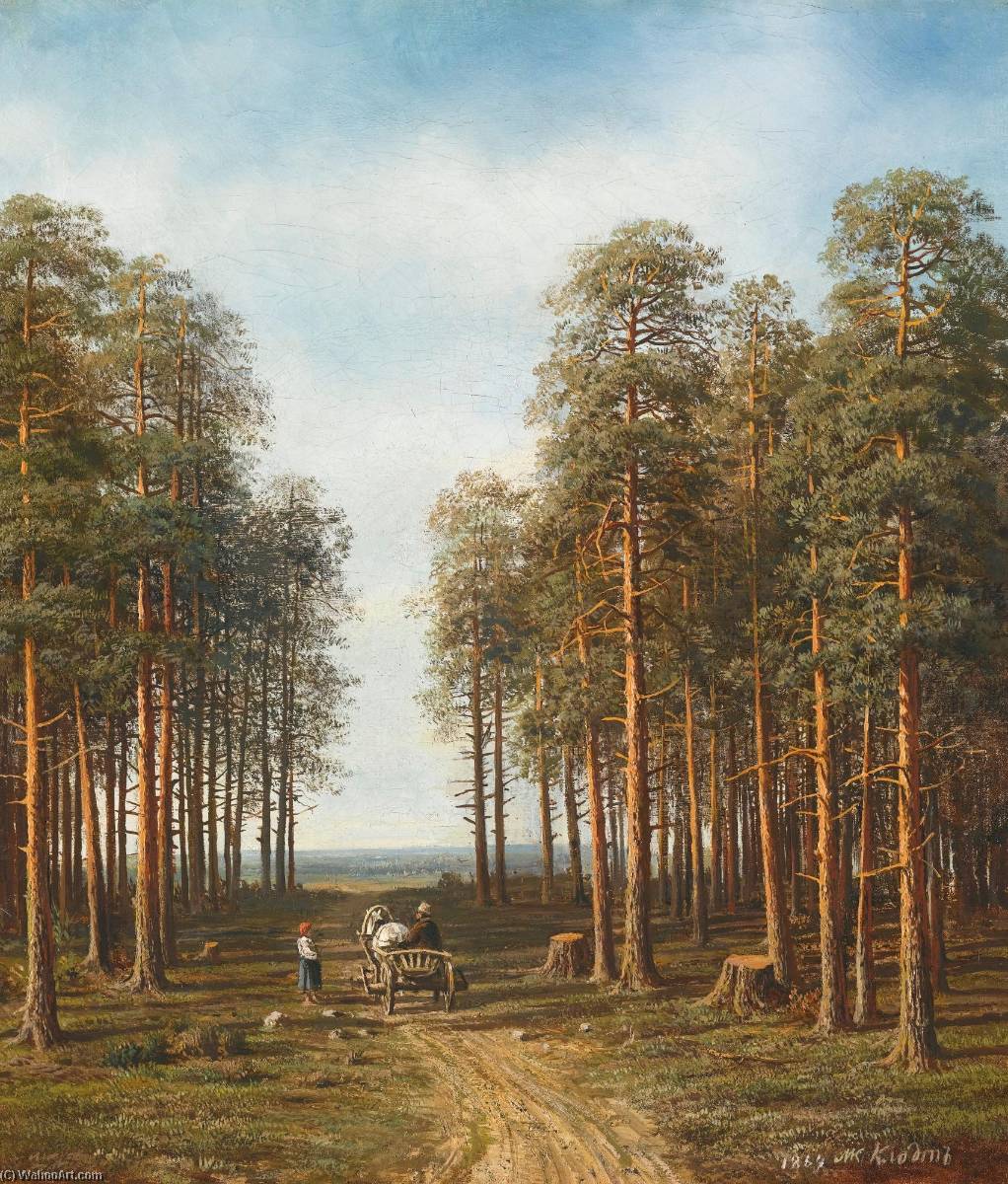
Path through the Pine Forest
 Читать далее
Жикле / Арт-принт
Печать (жикле) или холст музейного качества с быстрыми сроками изготовления и широким выбором вариантов отделки. ( Купить картину ручной работы Перейти к цифровым изображениям)




































Выберите один из наших стандартных размеров, соответствующих оригинальным пропорциям произведения искусства.

Вы можете указать свои собственные размеры, чтобы репродукция идеально подошла под конкретную раму или пространство. Если выбранный вами размер не будет соответствовать пропорциям оригинала, мы либо обрежем произведение, либо дополним изображение зеркальным отражением краев или однотонной заливкой. Перед началом производства вам будет отправлен цифровой макет для утверждения.
Пожалуйста, обратите внимание, что предварительный просмотр на экране не отображает фактическую обрезку или расширение изображения. Только макет точно покажет финальную композицию.
Несмотря на возможность заказа индивидуальных размеров, мы рекомендуем выбирать размер из предопределенного списка, чтобы сохранить оригинальные пропорции.
Доставка по всему миру () за 2 недели вместо стандартных 4/5 недель. (13 Сентябрь)

Бесплатная экспресс-доставка по всему миру

Высококачественный льняной холст

Полное страхование доставки

Гарантия возмещения таможенных пошлин

Гарантия точного соответствия цветов

100-дневная политика возврата (только при обнаружении дефектов)

Гарантия возврата 100% средств

Предложение оптовых скидок
 Вариант со стеклом доступен только для размеров менее 110 см

Path through the Pine Forest
Жикле / Арт-принт
Размер репродукции
-


Итоговая стоимость
$ 62
Похожие произведения









Биография художника
Early Life and Artistic Heritage
Mikhail Konstantinovich Klodt von Jürgensburg, born in Saint Petersburg in 1832 (or 1833 according to some sources), emerged from a family deeply steeped in the Russian artistic tradition. His lineage was one of considerable creative talent; his father, Konstantin Clodt, pioneered wood engraving in Russia, while his uncle, Peter Clodt von Jürgensburg, achieved renown as a celebrated sculptor. This familial environment fostered an early appreciation for art within young Mikhail, laying the foundation for his own distinguished career as a painter. He initially received instruction at the Saint Petersburg Mining Cadet Corps, where drawing was part of the curriculum, before formally enrolling in the prestigious Imperial Academy of Arts from 1851 to 1858.
Formative Years and Academic Training
Klodt’s academic training at the Imperial Academy proved pivotal. He excelled in his studies, culminating in the award of a Large Gold Medal – an honor that secured him a scholarship for further artistic development abroad. However, unlike many aspiring artists of his time, Klodt found little inspiration in the landscapes of Western Europe. After a brief sojourn through Germany, Switzerland and Italy, he returned to Russia disillusioned, believing that the foreign vistas lacked the unique character and emotional resonance of his homeland. This decision marked a turning point in his artistic trajectory; he petitioned for and received permission to utilize the remaining scholarship funds for extensive travel throughout Russia itself, seeking inspiration within its own diverse terrains.
A Devotion to Russian Landscape
Klodt’s commitment to depicting the Russian countryside became the defining characteristic of his oeuvre. He wasn't merely interested in rendering picturesque scenes; he sought to capture the very essence of Russian nature – its subtle nuances, its atmospheric qualities, and the lives intertwined with it. His early successes, such as Highway in Autumn (1863), garnered critical acclaim for their realistic portrayal of rural life and landscapes. Paintings like In the Field (1872) and Forest View in Midday (1878) further solidified his reputation, celebrated by observers for their meticulous attention to detail and a remarkable sense of perspective.
The Peredvizhniki Movement and Later Years
Klodt was among the founding members of the Peredvizhniki (Wanderers), a group of realist artists who rejected academic conventions in favor of portraying social realities and bringing art directly to the people through traveling exhibitions. However, his relationship with the movement remained complex. While sharing their commitment to realism, Klodt’s artistic temperament differed from many of his colleagues. His meticulous approach and occasional tendency towards “slavish following to reality,” as noted by critic Vladimir Stasov, drew criticism. Furthermore, his continued professorship at the Imperial Academy – an institution the Peredvizhniki often opposed – created a degree of distance. A particularly sharp critique of Arkhip Kuindzhi ultimately led to Klodt’s departure from both the Peredvizhniki and the Academy.
Legacy and Historical Significance
The later years of Klodt's life were marked by declining health and financial hardship. He produced little work after the 1870s, passing away in Saint Petersburg in 1902. Despite this decline, his contribution to Russian landscape painting remains significant. He is often recognized as a precursor to Ivan Shishkin, sharing a similar devotion to capturing the intricacies of the Russian forest and countryside. Klodt’s paintings offer a valuable glimpse into 19th-century rural life and demonstrate a profound connection to the natural world, establishing him as an important figure in the development of Russian Realism.
Основные сведения
- Artistic Movement Or Style: Realism
- Artists Or Movements Influenced By This Artist:
- Ivan Shishkin
- Peredvizhniki movement
- Artists Who Influenced This Artist:
- Konstantin Clodt
- Peter Clodt von Jürgensburg
- Date Of Birth: Dec 30, 1832
- Date Of Death: May 29, 1902
- Full Name: Mikhail Konstantinovich Clodt von Jürgensburg
- Nationality: Russian
- Notable Artworks:
- Under the Birch Trees
- In the Plowed Field
- Path through Pine Forest
- Place Of Birth: Saint Petersburg, Russia