

 Предпросмотр
 Поделиться
 Поделиться
 Детали произведения

 Скачать
 Похожие работы
 Рентгенография
 Слайд-шоу
 Статистика
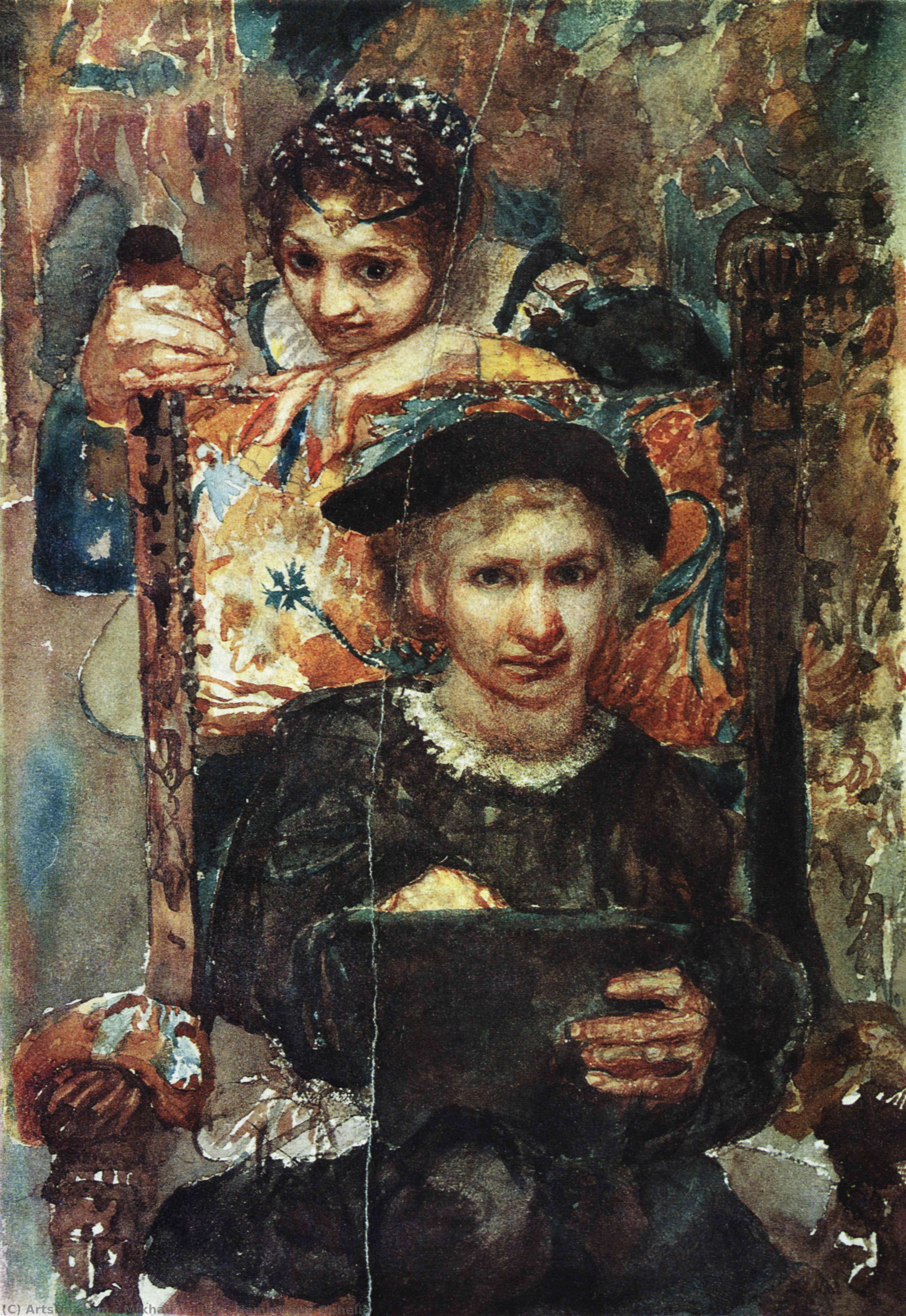
Hamlet and Ophelia


 Читать далее
Масляная репродукция ручной работы
Картина маслом на холсте в выбранном вами размере и раме, написанная на заказ нашими художниками. ( Перейти к печати Перейти к цифровым изображениям)




P118B $10

P118H $10

P118W $10

P438Z $10

P508JH $12

P508YH $12

P805H $10

P805Z $10

P919BZ $10

P919G $10

P919XJ $10

P959ZH $10

P968JZ $12

W106C $8

W218G $10

W218JH $8

W218Y $10

W307PJ $10

W316G $10

W316PJ $8

W316Y $10

W398PJ $8

W4111J $10

W500HY $15

W500JH $15

W692G $12

W849H $8

W940BG $15

W953PJ $8




Выберите один из наших стандартных размеров, соответствующих оригинальным пропорциям произведения искусства.

Вы можете указать собственные размеры, чтобы картина идеально вписалась в выбранную раму или пространство. Если выбранный вами размер не соответствует пропорциям оригинала, мы либо обрежем полотно, либо расширим его за счет дополнительных элементов, написанных вручную. Цифровой макет будет отправлен вам на утверждение перед началом производства.
Обратите внимание, что предварительный просмотр на экране не отражает фактическую обрезку или расширение. Только макет точно покажет окончательную композицию.
Хотя доступны индивидуальные размеры, мы рекомендуем выбирать вариант из предопределенного списка, чтобы сохранить исходные пропорции.
После оформления заказа команда ArtsDot.com свяжется с клиентом по электронной почте для уточнения деталей и предоставит предварительный макет
Доставка по всему миру () за 3–4 недели вместо стандартных 5 недель. (11 Сентябрь). Без компромиссов в качестве.

Бесплатная экспресс-доставка по всему миру

Высококачественный льняной холст

Полное страхование доставки

Гарантия возмещения таможенных пошлин

Гарантия точного соответствия цветов

100-дневная политика возврата (только при обнаружении дефектов)

Гарантия возврата 100% средств

Предложение оптовых скидок
 Вариант со стеклом доступен только для размеров менее 110 см

Hamlet and Ophelia
Техника репродукции
Размер репродукции
-


Итоговая стоимость
$ 263
A Vision of Melancholy: Vrubel’s Hamlet and Ophelia
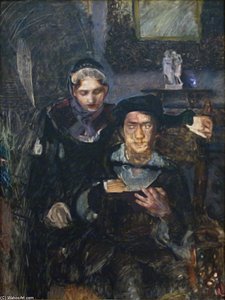
In the quiet, evocative depths of Mikhail Vrubel’s 1883 watercolor, Hamlet and Ophelia, we are invited into a world that transcends the boundaries of mere illustration. This masterpiece does not simply depict a scene from William Shakespeare’s most famous tragedy; rather, it captures the very essence of the Symbolist movement through a lens of profound intimacy. The painting presents two women seated in an old-fashioned, perhaps timeless, interior, facing one another in a moment caught between thought and speech. One figure is lost in the silent world of a book, her focus inward, while the other gazes upon her with an expression that oscillates between tender curiosity and a haunting sense of concern. It is a composition that breathes with the weight of unspoken words and the heavy atmosphere of anticipation.
The technique employed by Vrubel is nothing short of ethereal. Using the delicate medium of watercolor, he achieves a dreamy, almost translucent quality that lends the scene a fragile beauty. His brushstrokes are soft and nuanced, creating an atmosphere where the edges of reality seem to blur into a mist of emotion. This mastery of light and color allows the artist to evoke a sense of vulnerability, as if the entire moment might dissolve if one were to blink. For the discerning collector or interior designer, this piece offers a sophisticated layer of depth; its muted tones and soft textures provide a serene yet intellectually stimulating focal point that can anchor a room with a sense of historical grandeur and poetic mystery.
Symbolism and the Language of the Soul
Beyond the surface beauty lies a rich tapestry of symbolic elements that demand deeper contemplation. Vrubel, a pioneer of Russian Symbolism, utilizes the objects within the frame to speak to the themes of introspection and the human condition. The book resting on the lap of the reading woman serves as a powerful emblem of knowledge, memory, and the internal life that exists far beyond physical presence. Nearby, a simple cup sits in the stillness, perhaps representing the nourishment of the soul or the fleeting nature of earthly comforts. Even the arrangement of the chairs—multiple seats positioned throughout the room—suggests a stage set for waiting, echoing the themes of longing and the inevitable passage of time that permeate Shakespeare’s play.
The emotional impact of Hamlet and Ophelia is found in this delicate balance between the seen and the unseen. There is a palpable tension in the gaze of the observing woman, a reflection of the psychological complexity that Vrubel was so adept at portraying. To possess a reproduction of this work is to bring into one's space a piece of art history that celebrates the beauty of the subconscious. It is an ideal selection for those who appreciate art that does not merely decorate a wall but invites a conversation, offering a window into the melancholic beauty and the profound, quiet dramas of the human spirit.
Похожие произведения
Биография художника
Early Life and Education
Mikhail Aleksandrovich Vrubel, a figure of immense complexity and captivating beauty, was born on March 17, 1856, in Omsk, Siberia – a region far removed from the bustling artistic centers of St. Petersburg and Moscow. His lineage traced back to a noble family, with his father, a military lawyer, instilling in him a sense of discipline and heritage. The early loss of his mother, a Danish woman, profoundly shaped his emotional landscape, contributing to a lifelong sensitivity and introspection that would permeate his art. Despite initially pursuing a legal career – graduating from St. Petersburg University in 1880 – Vrubel’s true calling lay within the realm of artistic expression. Recognizing this innate talent, his father ensured he received an education tailored to nurture his passion, securing him tutelage in drawing and design. This marked the beginning of his journey into the world of art, a path that would ultimately lead him away from the conventional and towards the deeply personal.Artistic Career: A Fusion of Symbolism and Art Nouveau
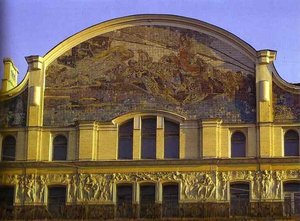
Vrubel’s artistic trajectory is defined by a remarkable synthesis of Symbolist mysticism and the elegant aesthetics of Art Nouveau – a style he largely developed independently, defying prevailing trends. His early commissions, notably the restoration of murals and mosaics in St. Cyril's Church in Kiev (1884-1889), exposed him to the rich visual language of medieval Christian art, particularly Venetian influences. This immersion profoundly impacted his palette, imbuing it with the intense, jewel-toned colors reminiscent of precious stones – a characteristic that would become instantly recognizable in his work. The project also provided an opportunity for Vrubel to study Byzantine iconography, further enriching his artistic vocabulary. His subsequent work on the murals of St. Vladimir’s Cathedral in Moscow (1887) was unfortunately cut short due to bureaucratic obstacles, but it demonstrated his burgeoning skill and ambition. A pivotal moment arrived with his association with Savva Mamontov, a wealthy patron who championed Russian folk art and promoted an environment conducive to artistic experimentation. This connection led to commissions such as the elaborate stage designs and costumes for Nadezhda Zabela’s performances at Mamontov's private opera theatre – a collaboration that showcased Vrubel’s ability to seamlessly blend theatricality with visual artistry. His work on the “Metropol” hotel in Moscow, particularly the mosaic panel "Princess of Dream," stands as a testament to his mastery of applied arts and his innovative approach to decorative design. The influence of Eastern art – specifically Persian carpets – is evident in his textural explorations, adding layers of complexity and visual richness to his paintings. Works like “The Demon Downcast” (1901) exemplify this fusion, blending Byzantine symbolism with a distinctly modern sensibility.Notable Works and Artistic Themes
Vrubel’s oeuvre encompasses a diverse range of subjects, yet certain themes recur consistently throughout his work: the enigmatic figure of the demon, the poignant beauty of female figures, and the evocative power of Russian folklore. “The Demon Seated” (1890), initially met with mixed reactions but ultimately hailed as a “fascinating symphony of genius” by Savva Mamontov, remains one of his most iconic creations – a powerful depiction of spiritual torment rendered in vibrant colors and dynamic composition. His interpretation of the poem *Pan* (1899) captures the essence of Russian fairy tales with its fantastical imagery and symbolic resonance. “The Swan Princess” (1900), a hauntingly beautiful portrayal of a tragic heroine, showcases Vrubel’s ability to evoke profound emotion through subtle gestures and evocative color palettes. “Lilacs” (1900) is another example of his exploration of feminine beauty and melancholy, rendered in delicate shades of purple and gray.Legacy and Personal Struggles
Despite achieving considerable recognition during his lifetime, Vrubel’s artistic journey was tragically intertwined with personal struggles. He suffered from a debilitating mental illness, exacerbated by tertiary syphilis contracted early in his career. This condition led to periods of intense instability and ultimately resulted in confinement in psychiatric hospitals between 1902 and 1906. Despite these challenges, he continued to paint sporadically during this time, producing some of his most emotionally charged works. His vision deteriorated significantly in the final years of his life, forcing him to cease painting altogether. Mikhail Aleksandrovich Vrubel passed away on April 14, 1910, leaving behind a legacy of unparalleled artistic innovation and profound emotional depth. His work continues to captivate audiences with its haunting beauty, symbolic complexity, and enduring power.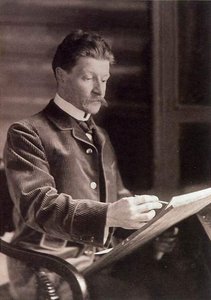
Михаил Врубель
1856 - 1910 , Россия
Основные сведения
- Artistic Movement Or Style: Символизм и модерн
- Artists Or Movements Influenced By This Artist: ['Венская сессия']
- Artists Who Influenced This Artist: ['Павел Чистяков']
- Date Of Birth: 17 марта 1856 г.
- Date Of Death: 14 апреля 1910 г.
- Full Name: Михаил Александрович Врубель
- Nationality: Русский
- Notable Artworks:
- Демон сидящий
- Лебединая принцесса
- Лилии
- Place Of Birth: Омск, Россия
Похожие статьи
Акварель: История, Техники и Современная Практика
Узнайте историю акварели от древности до современности, познакомьтесь с техниками и секретами мастеров. Пошаговое руководство для начинающих и вдохновение для опытных художников.

Ephemeral Visions: Exploring the History & Emotional Resonance of Watercolor Painting
Explore the captivating history of watercolor painting, from ancient techniques to modern masters like Kandinsky & Blake. Discover essential artists, collecting tips & the emotional power of this luminous medium. Expert insights for art enthusiasts.

Топ-10 легендарных акварелей, изменивших искусство навсегда | ArtsDot
Погрузитесь в мир акварели! Откройте топ-10 легендарных картин Turner, Monet и других великих художников. История искусства, техники живописи и вдохновение для вашего интерьера. Репродукции музейного качества на ArtsDot.com.

Ephemeral Visions: Exploring the Artistic Legacy & Nuances of Watercolor Painting
Explore the captivating world of watercolor painting! Discover its rich history, essential techniques, influential artists & collecting tips from art experts. A comprehensive guide for enthusiasts.

Ephemeral Visions: Exploring the Artistic Legacy & Contemporary Practice of Watercolor Painting
Explore the captivating world of watercolor painting! Discover its rich history, essential techniques, influential artists & collecting tips. A comprehensive guide for art enthusiasts from ArtsDot.