

 Поделиться
 Поделиться
 Детали произведения

 Скачать
 Похожие работы
 Слайд-шоу
 Статистика
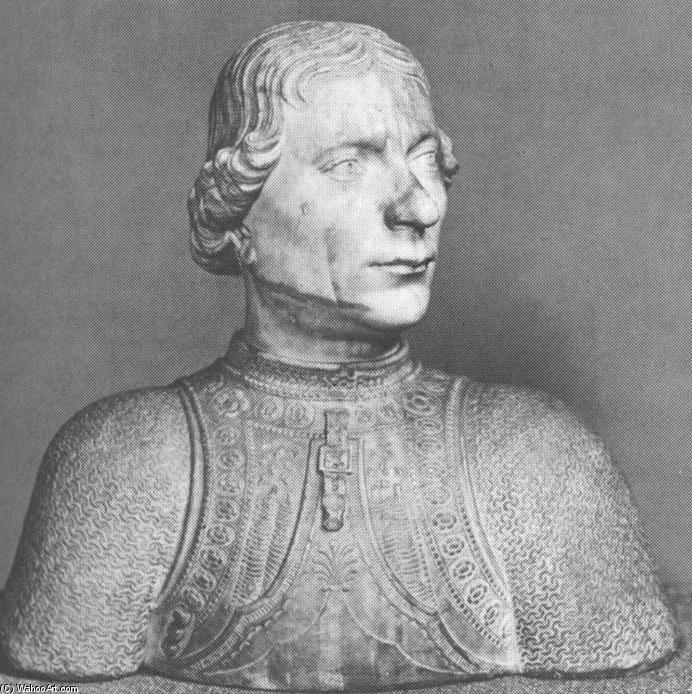
Portrait of Astorgio Manfredi
 Marble
- Sculpture
- Renaissance
 1456
1456 52.0 x 54.0 cm
 Национальная галерея искусств
 Читать далее
Масляная репродукция ручной работы
Картина маслом на холсте в выбранном вами размере и раме, написанная на заказ нашими художниками. ( Перейти к печати Перейти к цифровым изображениям)




































Выберите один из наших стандартных размеров, соответствующих оригинальным пропорциям произведения искусства.

Вы можете указать собственные размеры, чтобы картина идеально вписалась в выбранную раму или пространство. Если выбранный вами размер не соответствует пропорциям оригинала, мы либо обрежем полотно, либо расширим его за счет дополнительных элементов, написанных вручную. Цифровой макет будет отправлен вам на утверждение перед началом производства.
Обратите внимание, что предварительный просмотр на экране не отражает фактическую обрезку или расширение. Только макет точно покажет окончательную композицию.
Хотя доступны индивидуальные размеры, мы рекомендуем выбирать вариант из предопределенного списка, чтобы сохранить исходные пропорции.
После оформления заказа команда ArtsDot.com свяжется с клиентом по электронной почте для уточнения деталей и предоставит предварительный макет
Доставка по всему миру () за 3–4 недели вместо стандартных 5 недель. (13 Сентябрь). Без компромиссов в качестве.

Бесплатная экспресс-доставка по всему миру

Высококачественный льняной холст

Полное страхование доставки

Гарантия возмещения таможенных пошлин

Гарантия точного соответствия цветов

100-дневная политика возврата (только при обнаружении дефектов)

Гарантия возврата 100% средств

Предложение оптовых скидок
 Вариант со стеклом доступен только для размеров менее 110 см

Portrait of Astorgio Manfredi
Техника репродукции
Размер репродукции
-


Итоговая стоимость
$ 263
A Renaissance Portrait’s Quiet Dignity: Astorgio Manfredi by Mino da Fiesole
The image before us is more than just a marble bust; it's a window into the heart of 15th-century Florence, a testament to the burgeoning humanist ideals and the exquisite craftsmanship that defined the era. Mino da Fiesole’s “Portrait of Astorgio Manfredi,” created around 1455, is a remarkably intimate depiction of a Florentine nobleman, capturing not just his physical likeness but also an aura of quiet dignity and contemplative strength. The work stands as one of the earliest independent portrait busts produced in Europe since antiquity, marking a pivotal shift away from purely commemorative sculpture towards a more personal and psychologically nuanced representation of the individual.
Mino’s genius lies not merely in his technical skill – though undeniably masterful – but in his ability to imbue stone with life. He achieved this through a meticulous attention to detail, evident in the subtly modeled planes of the face, the carefully rendered folds of the garment, and the precise carving of the hair. The texture of the marble itself is deliberately varied; smooth surfaces suggest polished elegance, while areas shadowed by the sculptor’s hand reveal the inherent roughness of the material, creating a dynamic interplay between form and substance that draws the eye and invites closer inspection.
The Florentine Renaissance: A World of Humanism
To fully appreciate “Astorgio Manfredi,” it's crucial to understand the context in which it was created. The mid-15th century witnessed a profound transformation in European thought, fueled by the rediscovery of classical antiquity and a renewed emphasis on human potential. Humanist scholars championed reason, observation, and individual achievement, profoundly influencing art and literature. Mino da Fiesole, deeply immersed in this intellectual climate, embraced these ideals in his work, moving beyond the stylized conventions of previous generations to create portraits that captured not just outward appearance but also inner character.
His early training under Desiderio da Settignano and Antonio Rossellino exposed him to the innovative techniques of the time. However, Mino quickly developed a distinctive style—characterized by sharp angles, a refined sense of drapery, and an almost unnerving realism. Crucially, he spent significant periods in Rome, absorbing the artistic influences of the Papal court and engaging with the latest developments in sculpture and portraiture.
Symbolism and Emotional Resonance
Astorgio Manfredi’s expression is particularly compelling. His gaze is direct yet restrained, conveying a sense of self-awareness and perhaps even melancholy. The slight furrow of his brow suggests contemplation, while the set of his jaw speaks to an inner strength and resolve. The portrait isn't overtly celebratory; it doesn't shout for attention. Instead, it offers a quiet invitation to connect with the subject’s humanity—a testament to Mino’s skill in capturing not just likeness but also mood and personality.
The classical attire – a tunic and cloak reminiscent of Roman garments – further reinforces the portrait’s connection to antiquity. It symbolizes Manfredi's status as a member of the Florentine elite, deeply rooted in the traditions of the past while simultaneously embracing the innovations of the Renaissance. The bust itself, a traditional format for portraying important figures, elevates Manfredi to the realm of enduring memory and artistic significance.
A Masterpiece Reproduced: Bringing Mino’s Vision to Life
Today, reproductions of “Portrait of Astorgio Manfredi” offer art enthusiasts and collectors a remarkable opportunity to experience the beauty and sophistication of this Renaissance masterpiece. ArtsDot meticulously recreates Mino's original vision using the finest materials and techniques, ensuring that every detail—from the subtle nuances of the marble texture to the expressive quality of the portrait—is faithfully reproduced. This reproduction serves not only as a beautiful work of art but also as a tangible link to a pivotal moment in European cultural history.
Whether displayed in a private collection or incorporated into an interior design scheme, this reproduction will undoubtedly serve as a focal point, evoking the quiet dignity and intellectual depth of Astorgio Manfredi—a timeless portrait of a man and an era.
Похожие произведения
Биография художника
Mino da Fiesole (mino di giovanni): A Venetian Master Shaping Renaissance Iconography
Mino da Fiesole, born Giovanni Battista Sant’Anna in Poppi, Tuscany around 1429, stands as a pivotal figure within the burgeoning artistic landscape of Quattrocento Venice. Though overshadowed by contemporaries like Titian and Bellini during his lifetime, Mino's meticulous craftsmanship and profound understanding of humanist ideals cemented his legacy as one of the foremost painters of his era—a reputation justly earned through an astonishing output of devotional masterpieces that continue to inspire awe today. His career unfolded against a backdrop of fervent religious fervor and burgeoning artistic innovation, shaping Venetian art history in ways subtle yet undeniably significant.- Early Life & Training: Little is known definitively about Mino’s formative years beyond his birthplace and familial connections to prominent Florentine artists. Evidence suggests he honed his skills under Andrea Mantegna in Mantua, absorbing the influence of linear perspective and classical ideals—techniques that would become hallmarks of Venetian painting.
- Venetian Patronage & Artistic Development: Mino swiftly established himself in Venice, securing commissions from influential families like Mocenigo and Grimani. This patronage afforded him access to unparalleled artistic resources and propelled his stylistic evolution. Initially characterized by a restrained palette and meticulous attention to detail—particularly evident in his depictions of saints—Mino gradually embraced richer colors and more expressive compositions as he absorbed the dynamism of Venetian art.
Notable Works & Artistic Style
Mino’s artistic output spanned across a remarkable breadth of subjects, primarily focusing on altarpieces and panel paintings commissioned for churches throughout Venice and its environs. His most celebrated canvases include “Campo di Santi Giovanni e Paolo,” a monumental depiction of the basilica dedicated to Saint John the Baptist and Saint Paul—a testament to his mastery of architectural illusionism and spatial representation. Similarly impressive is “San Giovanni in Bragora,” showcasing Vivarini’s chapel adorned with frescoes by Cima da Conegliano and himself, demonstrating Mino's ability to collaborate effectively with other artists while maintaining a distinctive visual voice. His style can be described as characterized by exceptional precision and clarity—a hallmark of Florentine disegno perfected in Venice. Mino meticulously rendered drapery folds, facial expressions, and anatomical forms with astonishing accuracy, prioritizing realism alongside symbolic representation. He skillfully employed linear perspective to create convincing illusions of depth and space, mirroring the humanist preoccupation with understanding the natural world. Furthermore, Mino’s compositions often incorporated pyramidal structures—a technique borrowed from classical sculpture—to convey stability and grandeur.- Influence & Legacy: Mino da Fiesole's influence extended far beyond his immediate contemporaries. His meticulous approach to painting served as a model for subsequent generations of Venetian artists, shaping the stylistic trajectory of Renaissance Venice. He championed the use of linear perspective and classical ideals—concepts that fundamentally transformed artistic representation—leaving an indelible mark on Venetian art history.
- Iconographic Significance: Mino’s paintings frequently tackled complex theological themes, reflecting the intellectual fervor of his time. His depictions of saints—particularly Saint John the Baptist—were imbued with symbolic meaning, conveying spiritual virtues and commemorating important liturgical events. These images resonated deeply within Venetian society, contributing to the artistic prestige of the city.
Major Achievements & Recognition
Despite his relatively modest fame during his lifetime, Mino da Fiesole achieved considerable renown posthumously. His works were admired by connoisseurs and scholars alike—a testament to their enduring beauty and artistic excellence. Today, Mino’s paintings reside in prestigious museums across Europe, including Campo di Santi Giovanni e Paolo and San Giovanni in Bragora – institutions that recognize his contribution to Venetian art history. His meticulous craftsmanship and profound understanding of humanist ideals continue to inspire admiration and scholarly study, securing his place as one of the most important artists of the Quattrocento.
mino da fiesole (mino di giovanni)
1429 - 1484 , Italy
Основные сведения
- Artistic Movement Or Style: Early Renaissance
- Date Of Birth: 1429
- Full Name: mino da fiesole (mino di giovanni)
- Nationality: Italian
- Notable Artworks:
- Campo di Santi Giovanni e Paolo
- Madonna (detail)
- Tabernacle (detail)
- Place Of Birth: Poppi, Italy
Похожие статьи
Леонардо да Винчи: Топ-25 шедевров для ценителей искусства и роскошного интерьера
Погрузитесь в мир гения Леонардо да Винчи! 25 шедевров эпохи Возрождения, истории создания картин и техники великого мастера. Репродукции высокого качества для вашего интерьера на ArtsDot.com. Откройте всю коллекцию онлайн!
The Enduring Allure of Marble in Art History: From Classical Sculpture to Modern Abstraction
Explore the captivating history of marble sculpture from ancient Greece to modern art. Discover renowned artists like Canova & Michelangelo, carving techniques, and investment insights at ArtsDot.
The Enduring Legacy of Marble: A Comprehensive Exploration of Technique, Symbolism & Artistic Expression
Explore the rich history of marble sculpture from antiquity to the Renaissance! Discover key techniques, influential artists & enduring themes in classical art. Expert insights for collectors and enthusiasts at ArtsDot.

Leonardo da Vinci: A Renaissance Master’s Synthesis of Art, Science & Human Observation – Reinterpreted for the Collector
Explore Leonardo da Vinci’s timeless masterpieces with ArtsDot. Discover insights into his art, science, and legacy – trusted expertise for discerning collectors seeking authentic reproductions & investment opportunities.
Возрождение гуманизма: 10 шедевров искусства, изменивших мир | ArtsDot
Погрузитесь в эпоху Возрождения! 10 шедевров Леонардо да Винчи, Микеланджело и Рафаэля, отражающих гуманизм. Узнайте историю создания культовых картин и найдите идеальную репродукцию для вашего интерьера на ArtsDot.com