


 Предпросмотр
 Поделиться
 Поделиться
 Детали произведения

 Скачать
 Похожие работы
 Рентгенография
 Слайд-шоу
 Статистика
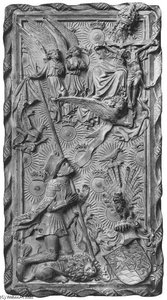
The Last Judgment (detail)
 Читать далее
Масляная репродукция ручной работы
Картина маслом на холсте в выбранном вами размере и раме, написанная на заказ нашими художниками. ( Перейти к печати Перейти к цифровым изображениям)




































Выберите один из наших стандартных размеров, соответствующих оригинальным пропорциям произведения искусства.

Вы можете указать собственные размеры, чтобы картина идеально вписалась в выбранную раму или пространство. Если выбранный вами размер не соответствует пропорциям оригинала, мы либо обрежем полотно, либо расширим его за счет дополнительных элементов, написанных вручную. Цифровой макет будет отправлен вам на утверждение перед началом производства.
Обратите внимание, что предварительный просмотр на экране не отражает фактическую обрезку или расширение. Только макет точно покажет окончательную композицию.
Хотя доступны индивидуальные размеры, мы рекомендуем выбирать вариант из предопределенного списка, чтобы сохранить исходные пропорции.
После оформления заказа команда ArtsDot.com свяжется с клиентом по электронной почте для уточнения деталей и предоставит предварительный макет
Доставка по всему миру () за 3–4 недели вместо стандартных 5 недель. (14 Сентябрь). Без компромиссов в качестве.

Бесплатная экспресс-доставка по всему миру

Высококачественный льняной холст

Полное страхование доставки

Гарантия возмещения таможенных пошлин

Гарантия точного соответствия цветов

100-дневная политика возврата (только при обнаружении дефектов)

Гарантия возврата 100% средств

Предложение оптовых скидок
 Вариант со стеклом доступен только для размеров менее 110 см

The Last Judgment (detail)
Техника репродукции
Размер репродукции
-


Итоговая стоимость
$ 438
Похожие произведения





Биография художника
Mino da Fiesole (mino di giovanni): A Venetian Master Shaping Renaissance Iconography
Mino da Fiesole, born Giovanni Battista Sant’Anna in Poppi, Tuscany around 1429, stands as a pivotal figure within the burgeoning artistic landscape of Quattrocento Venice. Though overshadowed by contemporaries like Titian and Bellini during his lifetime, Mino's meticulous craftsmanship and profound understanding of humanist ideals cemented his legacy as one of the foremost painters of his era—a reputation justly earned through an astonishing output of devotional masterpieces that continue to inspire awe today. His career unfolded against a backdrop of fervent religious fervor and burgeoning artistic innovation, shaping Venetian art history in ways subtle yet undeniably significant.- Early Life & Training: Little is known definitively about Mino’s formative years beyond his birthplace and familial connections to prominent Florentine artists. Evidence suggests he honed his skills under Andrea Mantegna in Mantua, absorbing the influence of linear perspective and classical ideals—techniques that would become hallmarks of Venetian painting.
- Venetian Patronage & Artistic Development: Mino swiftly established himself in Venice, securing commissions from influential families like Mocenigo and Grimani. This patronage afforded him access to unparalleled artistic resources and propelled his stylistic evolution. Initially characterized by a restrained palette and meticulous attention to detail—particularly evident in his depictions of saints—Mino gradually embraced richer colors and more expressive compositions as he absorbed the dynamism of Venetian art.
Notable Works & Artistic Style
Mino’s artistic output spanned across a remarkable breadth of subjects, primarily focusing on altarpieces and panel paintings commissioned for churches throughout Venice and its environs. His most celebrated canvases include “Campo di Santi Giovanni e Paolo,” a monumental depiction of the basilica dedicated to Saint John the Baptist and Saint Paul—a testament to his mastery of architectural illusionism and spatial representation. Similarly impressive is “San Giovanni in Bragora,” showcasing Vivarini’s chapel adorned with frescoes by Cima da Conegliano and himself, demonstrating Mino's ability to collaborate effectively with other artists while maintaining a distinctive visual voice. His style can be described as characterized by exceptional precision and clarity—a hallmark of Florentine disegno perfected in Venice. Mino meticulously rendered drapery folds, facial expressions, and anatomical forms with astonishing accuracy, prioritizing realism alongside symbolic representation. He skillfully employed linear perspective to create convincing illusions of depth and space, mirroring the humanist preoccupation with understanding the natural world. Furthermore, Mino’s compositions often incorporated pyramidal structures—a technique borrowed from classical sculpture—to convey stability and grandeur.- Influence & Legacy: Mino da Fiesole's influence extended far beyond his immediate contemporaries. His meticulous approach to painting served as a model for subsequent generations of Venetian artists, shaping the stylistic trajectory of Renaissance Venice. He championed the use of linear perspective and classical ideals—concepts that fundamentally transformed artistic representation—leaving an indelible mark on Venetian art history.
- Iconographic Significance: Mino’s paintings frequently tackled complex theological themes, reflecting the intellectual fervor of his time. His depictions of saints—particularly Saint John the Baptist—were imbued with symbolic meaning, conveying spiritual virtues and commemorating important liturgical events. These images resonated deeply within Venetian society, contributing to the artistic prestige of the city.
Major Achievements & Recognition
Despite his relatively modest fame during his lifetime, Mino da Fiesole achieved considerable renown posthumously. His works were admired by connoisseurs and scholars alike—a testament to their enduring beauty and artistic excellence. Today, Mino’s paintings reside in prestigious museums across Europe, including Campo di Santi Giovanni e Paolo and San Giovanni in Bragora – institutions that recognize his contribution to Venetian art history. His meticulous craftsmanship and profound understanding of humanist ideals continue to inspire admiration and scholarly study, securing his place as one of the most important artists of the Quattrocento.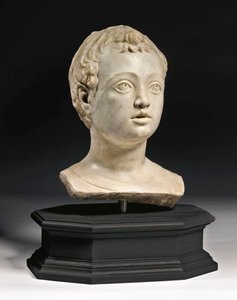
mino da fiesole (mino di giovanni)
1429 - 1484 , Italy
Основные сведения
- Artistic Movement Or Style: Early Renaissance
- Date Of Birth: 1429
- Full Name: mino da fiesole (mino di giovanni)
- Nationality: Italian
- Notable Artworks:
- Campo di Santi Giovanni e Paolo
- Madonna (detail)
- Tabernacle (detail)
- Place Of Birth: Poppi, Italy