

 Предпросмотр
 Поделиться
 Поделиться
 Детали произведения

 Скачать
 Похожие работы
 Рентгенография
 Слайд-шоу
 Статистика
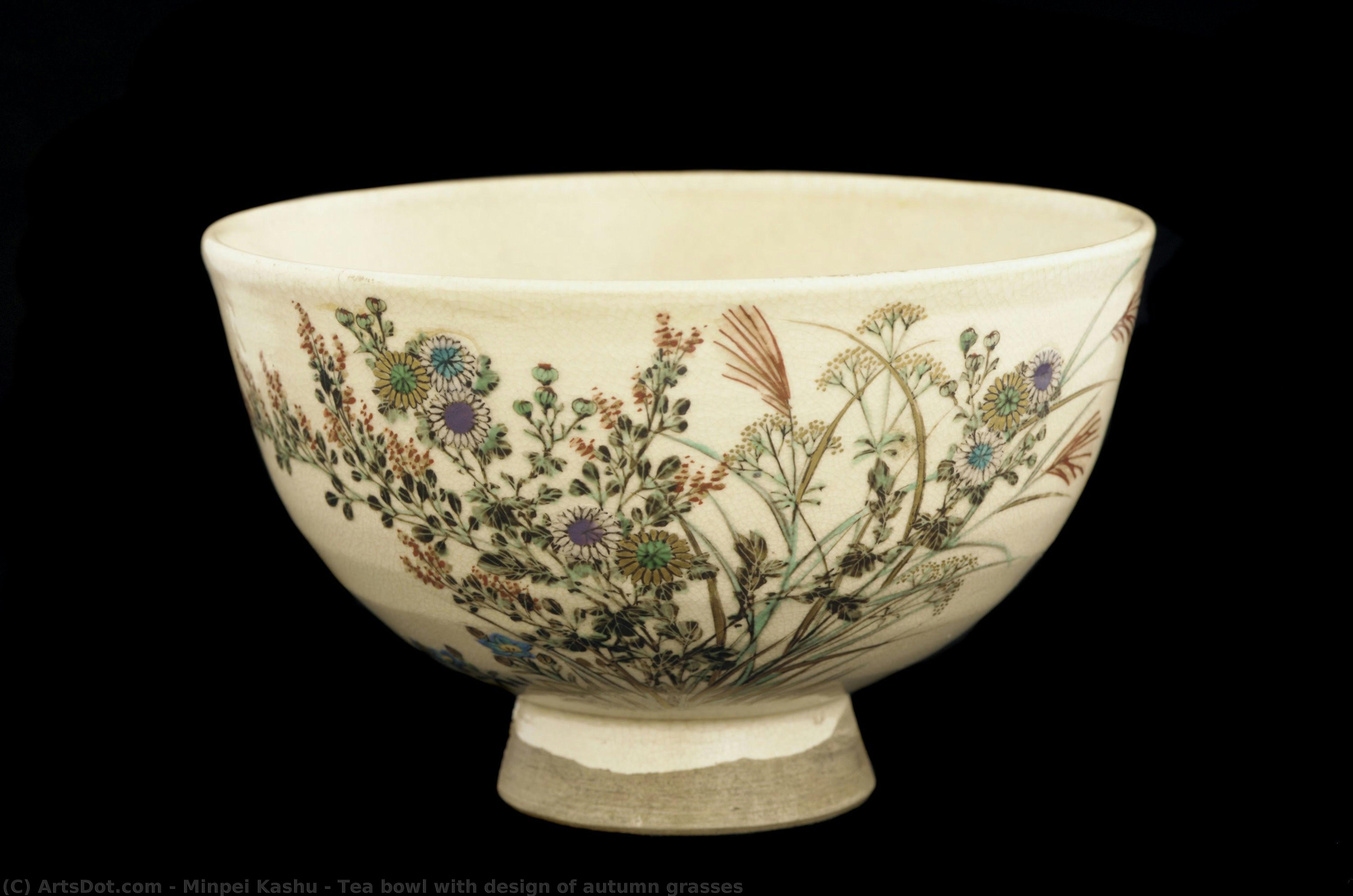
Tea bowl with design of autumn grasses


 Читать далее
Масляная репродукция ручной работы
Картина маслом на холсте в выбранном вами размере и раме, написанная на заказ нашими художниками. ( Перейти к печати Перейти к цифровым изображениям)




































Выберите один из наших стандартных размеров, соответствующих оригинальным пропорциям произведения искусства.

Вы можете указать собственные размеры, чтобы картина идеально вписалась в выбранную раму или пространство. Если выбранный вами размер не соответствует пропорциям оригинала, мы либо обрежем полотно, либо расширим его за счет дополнительных элементов, написанных вручную. Цифровой макет будет отправлен вам на утверждение перед началом производства.
Обратите внимание, что предварительный просмотр на экране не отражает фактическую обрезку или расширение. Только макет точно покажет окончательную композицию.
Хотя доступны индивидуальные размеры, мы рекомендуем выбирать вариант из предопределенного списка, чтобы сохранить исходные пропорции.
После оформления заказа команда ArtsDot.com свяжется с клиентом по электронной почте для уточнения деталей и предоставит предварительный макет
Доставка по всему миру () за 3–4 недели вместо стандартных 5 недель. (13 Сентябрь). Без компромиссов в качестве.

Бесплатная экспресс-доставка по всему миру

Высококачественный льняной холст

Полное страхование доставки

Гарантия возмещения таможенных пошлин

Гарантия точного соответствия цветов

100-дневная политика возврата (только при обнаружении дефектов)

Гарантия возврата 100% средств

Предложение оптовых скидок
 Вариант со стеклом доступен только для размеров менее 110 см

Tea bowl with design of autumn grasses
Техника репродукции
Размер репродукции
-


Итоговая стоимость
$ 263
Похожие произведения








Биография художника
The Quiet Revolution of Minpei Kashu: Shaping Awaji Ware
Minpei Kashu, born in Osaka in 1796 and passing away in 1871, wasn’t a flamboyant figure who stormed the art world. Instead, he was a quiet revolutionary, a potter whose meticulous craftsmanship and innovative use of color fundamentally altered the landscape of Japanese ceramics. His legacy resides not in grand gestures but in the subtle beauty of Awaji ware – a style that continues to captivate collectors and enthusiasts today. Kashu’s story is inextricably linked with the rise of Awaji Island as a center for ceramic production, a transformation he played a crucial role in orchestrating. Initially, Awaji was known primarily for its *raku* ware, characterized by its rustic charm and unpredictable glazes. However, Kashu sought to elevate this tradition, introducing a level of control and aesthetic refinement previously unseen.Early Life and the Founding of Awaji Ware
Kashu’s early life remains somewhat shrouded in mystery, though it's known he apprenticed under various masters before establishing his own workshop on Awaji Island. Crucially, he wasn’t alone in this endeavor. He collaborated closely with Shisai Kashu (no relation), a fellow potter who shared his vision for a more sophisticated style of ceramics. Together, they spearheaded the movement that would become known as Awaji ware. This collaboration was vital; it allowed them to pool resources, experiment with new techniques, and establish a distinct aesthetic identity. The island’s proximity to sources of high-quality clay and its burgeoning trade networks provided an ideal environment for this artistic blossoming. Kashu's early work focused on stoneware, a material that offered greater durability and versatility than the more delicate porcelain favored by some other potters.The Alchemy of Color: Cobalt and Iron Pigments
What truly distinguished Kashu’s work – and ultimately defined Awaji ware – was his masterful manipulation of color. He pioneered the extensive use of iron and, most notably, cobalt pigments in stoneware. Prior to this, these materials were rarely employed on stoneware, typically reserved for porcelain. Kashu's experimentation resulted in a breathtaking range of hues: deep blues, rich browns, earthy greens, and subtle grays – all achieved through careful control of the firing process. The application of these pigments wasn’t merely decorative; it was integral to the aesthetic effect, creating textures and patterns that mimicked natural elements like moss, grasses, and stone. His signature autumn grass designs, often depicted in swirling, undulating forms, became instantly recognizable and deeply symbolic. These weren't simply pretty pictures; they represented a connection to the cyclical rhythms of nature – a core value within Japanese aesthetics.Technique and Innovation: A Masterful Hand
Kashu’s skill extended beyond color. He was a meticulous craftsman, employing techniques honed over years of practice. He utilized a distinctive “slip-trailing” method to apply the colored glazes, creating intricate patterns and layering effects. The firing process itself was carefully controlled, often involving multiple firings at varying temperatures to achieve the desired results. He also experimented with different clay bodies, seeking to balance strength and plasticity. His work demonstrates an understanding of material properties that is remarkable for its time. Kashu’s influence can be seen in the development of *shabi-gusa*, a type of stoneware characterized by its subtle variations in color and texture – a direct result of his innovative approach to glaze application.Legacy and Historical Significance
Minpei Kashu's contribution to Japanese ceramics is profound. He didn’t invent Awaji ware entirely, but he was the driving force behind its transformation into a recognized style. His emphasis on stoneware, combined with his groundbreaking use of color, established a new standard for quality and artistic expression. His work continues to be highly sought after by collectors worldwide, not just for its beauty but also as a testament to his skill and vision. The tea bowls featuring autumn grass designs, such as the example showcased at ArtsDot.com, are particularly prized – they represent a distillation of Kashu’s artistic philosophy: a celebration of nature's ephemeral beauty captured in clay. He left behind a legacy that continues to inspire ceramic artists today, solidifying his place as one of the most important figures in Japanese pottery history.
minpei kashu
1796 - 1871 , Japan
Основные сведения
- Artistic Movement Or Style: Awaji ware pottery
- Date Of Birth: 1796
- Date Of Death: 1871
- Full Name: Minpei Kashu
- Nationality: Japanese
- Notable Artworks: ['Tea bowl with autumn grasses']
- Place Of Birth: Osaka, Japan