

 Предпросмотр
 Поделиться
 Поделиться
 Детали произведения

 Скачать
 Похожие работы
 Рентгенография
 Слайд-шоу
 Статистика
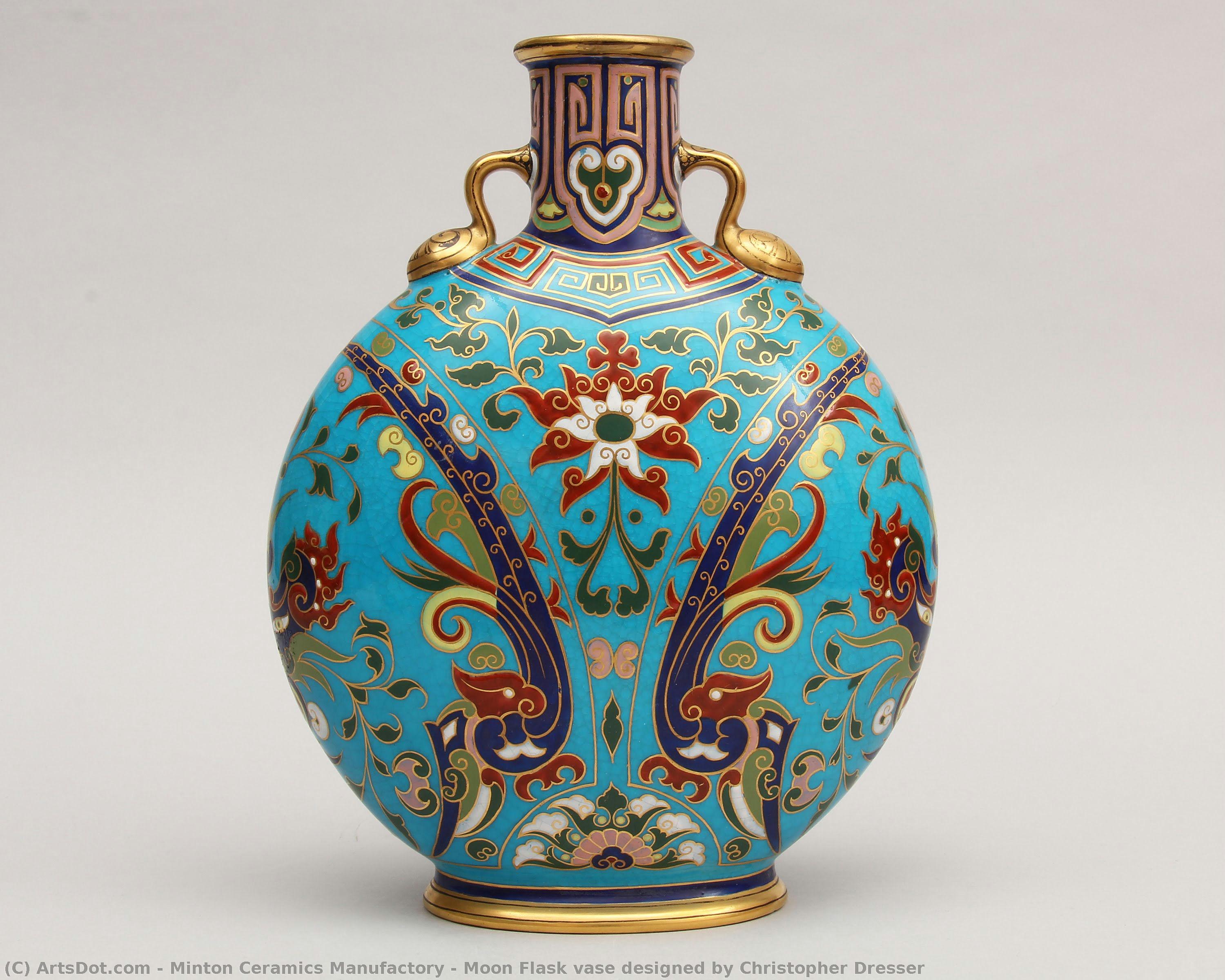
Moon Flask vase designed by Christopher Dresser
 1880
1880 26.0 x 21.0 cm
 Gardiner Museum of Ceramic Art
 Читать далее
Жикле / Арт-принт
Печать (жикле) или холст музейного качества с быстрыми сроками изготовления и широким выбором вариантов отделки. ( Купить картину ручной работы Перейти к цифровым изображениям)




































Выберите один из наших стандартных размеров, соответствующих оригинальным пропорциям произведения искусства.

Вы можете указать свои собственные размеры, чтобы репродукция идеально подошла под конкретную раму или пространство. Если выбранный вами размер не будет соответствовать пропорциям оригинала, мы либо обрежем произведение, либо дополним изображение зеркальным отражением краев или однотонной заливкой. Перед началом производства вам будет отправлен цифровой макет для утверждения.
Пожалуйста, обратите внимание, что предварительный просмотр на экране не отображает фактическую обрезку или расширение изображения. Только макет точно покажет финальную композицию.
Несмотря на возможность заказа индивидуальных размеров, мы рекомендуем выбирать размер из предопределенного списка, чтобы сохранить оригинальные пропорции.
Доставка по всему миру () за 2 недели вместо стандартных 4/5 недель. (12 Сентябрь)

Бесплатная экспресс-доставка по всему миру

Высококачественный льняной холст

Полное страхование доставки

Гарантия возмещения таможенных пошлин

Гарантия точного соответствия цветов

100-дневная политика возврата (только при обнаружении дефектов)

Гарантия возврата 100% средств

Предложение оптовых скидок
 Вариант со стеклом доступен только для размеров менее 110 см

Moon Flask vase designed by Christopher Dresser
Жикле / Арт-принт
Размер репродукции
-


Итоговая стоимость
$ 62
Похожие произведения









Биография художника
A Legacy of Victorian Elegance: The Minton Ceramics Manufactory
The story of Minton Ceramics Manufactory is not merely the history of a pottery company, but a sweeping narrative of British industrial triumph and artistic refinement. Established in 1793 within the heart of Stoke-on-Trent, England, by the visionary Thomas Minton and Joseph Poulson, the manufactory emerged during a transformative era when the world was beginning to crave the sophisticated comforts of domestic elegance. From its humble beginnings focused on durable stoneware, Minton ascended with remarkable speed to become Europe’s preeminent ceramic factory, acting as a cultural beacon that dictated the aesthetic tastes of royalty, aristocracy, and the burgeoning middle class alike.
The true magic of Minton lay in its ability to marry the rugged strength of industrial innovation with the delicate grace of fine art. As the 19th century progressed, the factory became a crucible for creative experimentation. The mid-Victorian period, in particular, saw an explosion of artistry fueled by advancements in kiln technology and a profound fascination with classical antiquity. Designers such as William Marshall Fry breathed life into clay, drawing inspiration from Roman imperial grandeur to craft breathtaking vases and tableware. These pieces, often adorned with intricate garlands of laurel and evocative mythological figures, served as much more than functional objects; they were sculptural masterpieces that brought the splendor of the ancient world into the Victorian dining room.
Mastery of Form and Technical Innovation
What truly set Minton apart from its contemporaries was an unyielding commitment to technical pioneering. The manufactory did not merely follow trends; it defined them through the mastery of diverse and complex ceramic styles. Their repertoire was a testament to the versatility of clay, ranging from the vibrant, lustrous surfaces of majolica (glazed enamelware) to the tactile, sculptural depth of palissy ware. The company also achieved renown for its Della Robbia ware, a delicate slip-decorated terracotta that captured the soft, ethereal beauty of Renaissance aesthetics.
This spirit of innovation ensured that Minton remained at the vanguard of the decorative arts movement. As artistic sensibilities shifted away from the heavy ornamentation of the Victorian era toward the fluid, organic lines of Art Nouveau and the structured elegance of the Secessionist movements, Minton adapted with seamless grace. By collaborating with avant-garde designers like Christopher Dresser, the manufactory bridged the gap between traditional craftsmanship and modern industrial design, ensuring that their name remained synonymous with prestige across generations.
Historical Significance and Enduring Influence
The historical significance of Minton Ceramics Manufactory extends far beyond the borders of the United Kingdom. It represents a pivotal chapter in the history of the decorative arts, where the boundaries between utilitarian craft and high art were perpetually blurred. The factory's ability to produce everything from exquisite bone china to monumental architectural ceramics left an indelible mark on the global landscape of design.
Today, the legacy of Minton is preserved through the countless treasures found in museums and private collections worldwide. Their work remains a profound symbol of an era defined by:
- Artistic Ambition: The relentless pursuit of beauty through complex glazing and sculptural techniques.
- Industrial Excellence: The successful integration of mass production with high-level artistry.
- Cultural Impact: The shaping of international domestic aesthetics through the dissemination of neoclassical and modern styles.
minton ceramics manufactory
United Kingdom
Основные сведения
- Artistic Movement Or Style: Victorian Era Ceramics
- Artists Or Movements Influenced By This Artist: ['Arts and Crafts Movement']
- Artists Who Influenced This Artist: ['Wedgwood']
- Date Of Birth: Stoke-on-Trent, United Kingdom ()
- Date Of Death: Living
- Full Name: Thomas Minton & Joseph Poulson
- Nationality: British
- Notable Artworks:
- Sugar bowl,
- Westmoreland Dinner Service
- Place Of Birth: Stoke-on-Trent