

 Предпросмотр
 Поделиться
 Поделиться
 Детали произведения

 Скачать
 Похожие работы
 Рентгенография
 Слайд-шоу
 Статистика
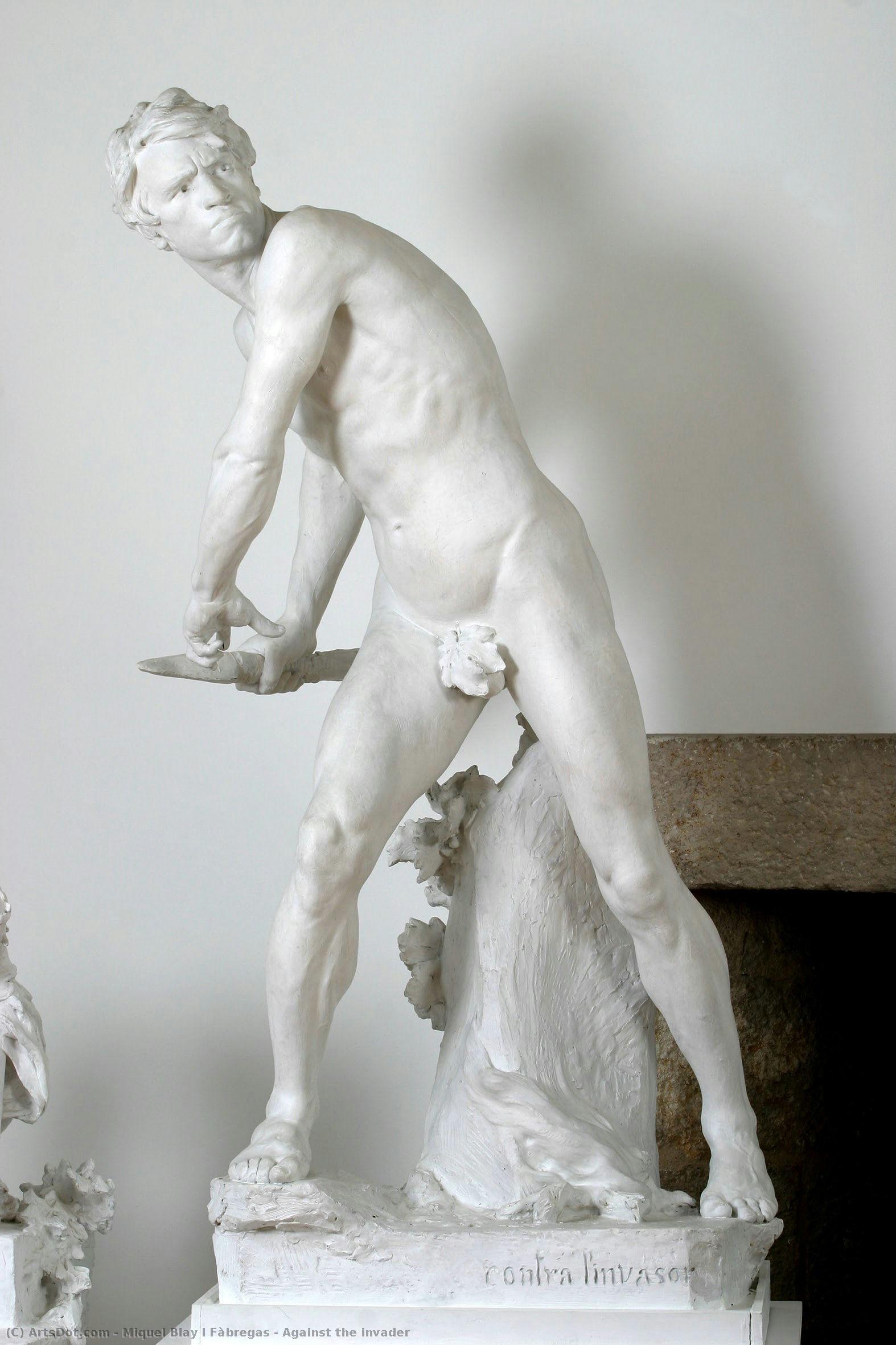
Against the invader
 Neoclassicism
 3.0 x 90.0 cm
 Girona Art Museum
 Читать далее
Масляная репродукция ручной работы
Картина маслом на холсте в выбранном вами размере и раме, написанная на заказ нашими художниками. ( Перейти к печати Перейти к цифровым изображениям)




































Выберите один из наших стандартных размеров, соответствующих оригинальным пропорциям произведения искусства.

Вы можете указать собственные размеры, чтобы картина идеально вписалась в выбранную раму или пространство. Если выбранный вами размер не соответствует пропорциям оригинала, мы либо обрежем полотно, либо расширим его за счет дополнительных элементов, написанных вручную. Цифровой макет будет отправлен вам на утверждение перед началом производства.
Обратите внимание, что предварительный просмотр на экране не отражает фактическую обрезку или расширение. Только макет точно покажет окончательную композицию.
Хотя доступны индивидуальные размеры, мы рекомендуем выбирать вариант из предопределенного списка, чтобы сохранить исходные пропорции.
После оформления заказа команда ArtsDot.com свяжется с клиентом по электронной почте для уточнения деталей и предоставит предварительный макет
Доставка по всему миру () за 3–4 недели вместо стандартных 5 недель. (12 Сентябрь). Без компромиссов в качестве.

Бесплатная экспресс-доставка по всему миру

Высококачественный льняной холст

Полное страхование доставки

Гарантия возмещения таможенных пошлин

Гарантия точного соответствия цветов

100-дневная политика возврата (только при обнаружении дефектов)

Гарантия возврата 100% средств

Предложение оптовых скидок
 Вариант со стеклом доступен только для размеров менее 110 см

Against the invader
Техника репродукции
Размер репродукции
-


Итоговая стоимость
$ 263
Похожие произведения
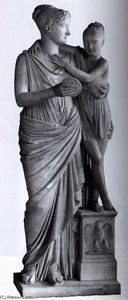
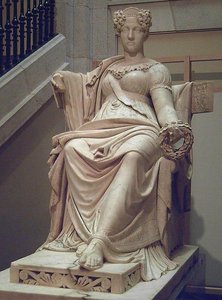
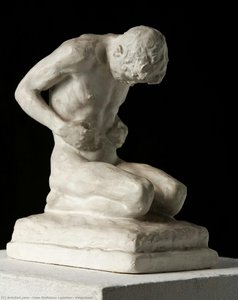
Биография художника
Early Life and Parisian Foundations
Miguel Blay i Fàbregas, born in the picturesque Catalan town of Olot in 1866, emerged from humble beginnings to become a defining figure in Spanish Modernist sculpture. His initial artistic training took root within the local Municipal Drawing School and the studio of El Arte Cristiano, where he honed his skills under the guidance of Josep Berga i Boix and Joaquim Vayreda. These early experiences instilled in him a foundational understanding of form and composition, but it was a provincial grant that propelled Blay onto the international stage – to Paris, the epicenter of artistic innovation at the close of the 19th century.
Paris proved transformative. Blay immersed himself in the rigorous academic environment of the École des beaux-arts and further refined his technique at the Académie Julian under the tutelage of Henri Chapu. Chapu’s influence would be profound, shaping Blay's approach to sculpture with a focus on classical ideals tempered by burgeoning Symbolist sensibilities. This period wasn’t solely confined to Parisian studios; a sojourn in Rome broadened his exposure to ancient masterpieces and further solidified his understanding of sculptural tradition. The culmination of these studies was marked by a resounding success at the 1889 Universal Exhibition, where he secured a gold medal—a testament to his burgeoning talent and a harbinger of future acclaim.
A Rising Star: Recognition and Artistic Development
The accolades continued to mount. In 1890, Blay was bestowed with the honor of knighthood in the French Legion of Honor, solidifying his position within the European artistic community. His return to Spain saw him competing—and triumphing—in the National Exposition of Fine Arts in 1892 with his work, *Los Primeros Fríos* (The First Cold). This sculpture, existing in both marble and bronze versions, quickly became emblematic of Blay’s style: a poignant exploration of human emotion rendered with meticulous detail and a growing modernist sensibility. The Barcelona gold medal in 1894 further cemented his reputation as a sculptor to watch.
Blay's artistic development during this period was characterized by a synthesis of classical training and the emerging currents of Symbolism. He wasn’t merely replicating forms; he sought to embody ideas, to capture fleeting moments of emotion and narrative within the solidity of stone and metal. His work began to reflect a deeper psychological depth, moving beyond idealized representations towards more nuanced portrayals of human experience.
Madrid Years and Academic Influence
In 1906, Blay relocated to Madrid, establishing a permanent presence in the capital city where he would remain until his death. This marked a shift toward greater institutional involvement; in 1908, he received the medal of honor at the National Exhibition of Fine Arts for *Eclosion*, building upon previous honors earned in Barcelona. The following year, Blay’s contributions were formally recognized with his election as a member of the Real Academia de Bellas Artes de San Fernando—a prestigious appointment that underscored his standing within the Spanish art world.
His influence extended beyond his own creations. From 1909 onward, he dedicated himself to education, becoming a professor at the Special School of Fine Arts in Madrid. Later, from 1925 to 1932, he assumed the directorship of the Academy of Fine Art in Rome, guiding a new generation of sculptors and imparting his knowledge of classical technique and modernist principles. Blay’s commitment to teaching ensured that his artistic legacy would endure through the work of his students.
*Los Primeros Fríos*: A Masterpiece of Modernist Emotion
Perhaps Blay's most enduring work is *Los Primeros Fríos*, a sculpture that exists in two distinct yet equally compelling versions. The marble rendition, housed at the MNAC in Barcelona and also found in Buenos Aires’ botanical garden, exemplifies his early idealistic style—a meticulous contrast between the weathered skin of an old man and the smooth delicacy of a young girl. The bronze version, residing at the Museo Regional de la Garrocha in Olot, reveals a more mature approach, influenced by the works of Rodin. This later iteration is not simply a depiction of figures; it’s a synthesis of realism and raw emotion, capturing a poignant moment of vulnerability and connection.
The sculpture's significance lies in its ability to transcend mere representation. It speaks to universal themes of aging, innocence, and the enduring power of human relationships. *Los Primeros Fríos* became a touchstone for Catalan sculptors, inspiring a generation with its innovative technique and emotional depth. The work embodies the spirit of Modernisme—a rejection of academic rigidity in favor of expressive form and symbolic content.
Legacy and Historical Significance
Miguel Blay i Fàbregas’s untimely death in 1936, just seven days after suffering a stroke, marked the end of a prolific career. However, his artistic legacy continues to resonate today. He stands as a pivotal figure in Spanish Modernist sculpture, bridging the gap between classical tradition and the burgeoning avant-garde movements of the early 20th century.
His work is characterized by a unique blend of technical mastery, emotional depth, and symbolic content. Blay’s sculptures weren't simply objects to be admired; they were vessels for ideas, embodiments of human experience. He helped consolidate sculpture as a vital creative practice in Spain, leaving an indelible mark on the artistic landscape and inspiring generations of sculptors to come. His Parisian training, combined with his Catalan roots, created a distinctive style that continues to captivate audiences and scholars alike.

miquel blay i fàbregas
1866 - 1936 , Spain
Основные сведения
- Artistic Movement Or Style: Modernisme
- Artists Or Movements Influenced By This Artist: Catalan sculptors
- Artists Who Influenced This Artist: ['Henri Chapu']
- Date Of Birth: October 8, 1866
- Date Of Death: January 22, 1936
- Full Name: Miquel Blay i Fàbregas
- Nationality: Spanish
- Notable Artworks:
- Against the Invader
- The First Cold
- Eclosion
- Los Primeros Fríos
- Place Of Birth: Olot, Spain
Похожие статьи

10 легендарных бронзовых скульптур, изменивших искусство навсегда | ArtsDot
Погрузитесь в мир великих бронзовых скульптур! От Давида Микеланджело до работ Родена – история искусства, техники и вдохновения. Купите репродукции шедевров для вашего интерьера на ArtsDot.com
The Enduring Allure of Marble in Art History: From Classical Sculpture to Modern Abstraction
Explore the captivating history of marble sculpture from ancient Greece to modern art. Discover renowned artists like Canova & Michelangelo, carving techniques, and investment insights at ArtsDot.

The Enduring Form: Exploring Themes & Techniques in Sculpture Across Historical Periods
Explore the rich history of sculpture from ancient masterpieces to contemporary innovations. Discover key techniques, influential artists & investment potential for discerning art collectors.

The Enduring Form: Sculpture Across History, Technique & Emotional Resonance
Explore the rich history of sculpture with ArtsDot. Discover key techniques, influential artists & investment potential for discerning collectors. Expert insights into valuing and collecting timeless masterpieces.

10 легендарных бронзовых шедевров, изменивших искусство | ArtsDot
Погрузитесь в мир великих бронзовых шедевров! От Давида Донателло до Мыслителя Родена – узнайте историю создания, технику и значение легендарных скульптур. Вдохновение для интерьера и музейное качество репродукций на ArtsDot.com.