

 Предпросмотр
 Поделиться
 Поделиться
 Детали произведения

 Скачать
 Похожие работы
 Рентгенография
 Слайд-шоу
 Статистика
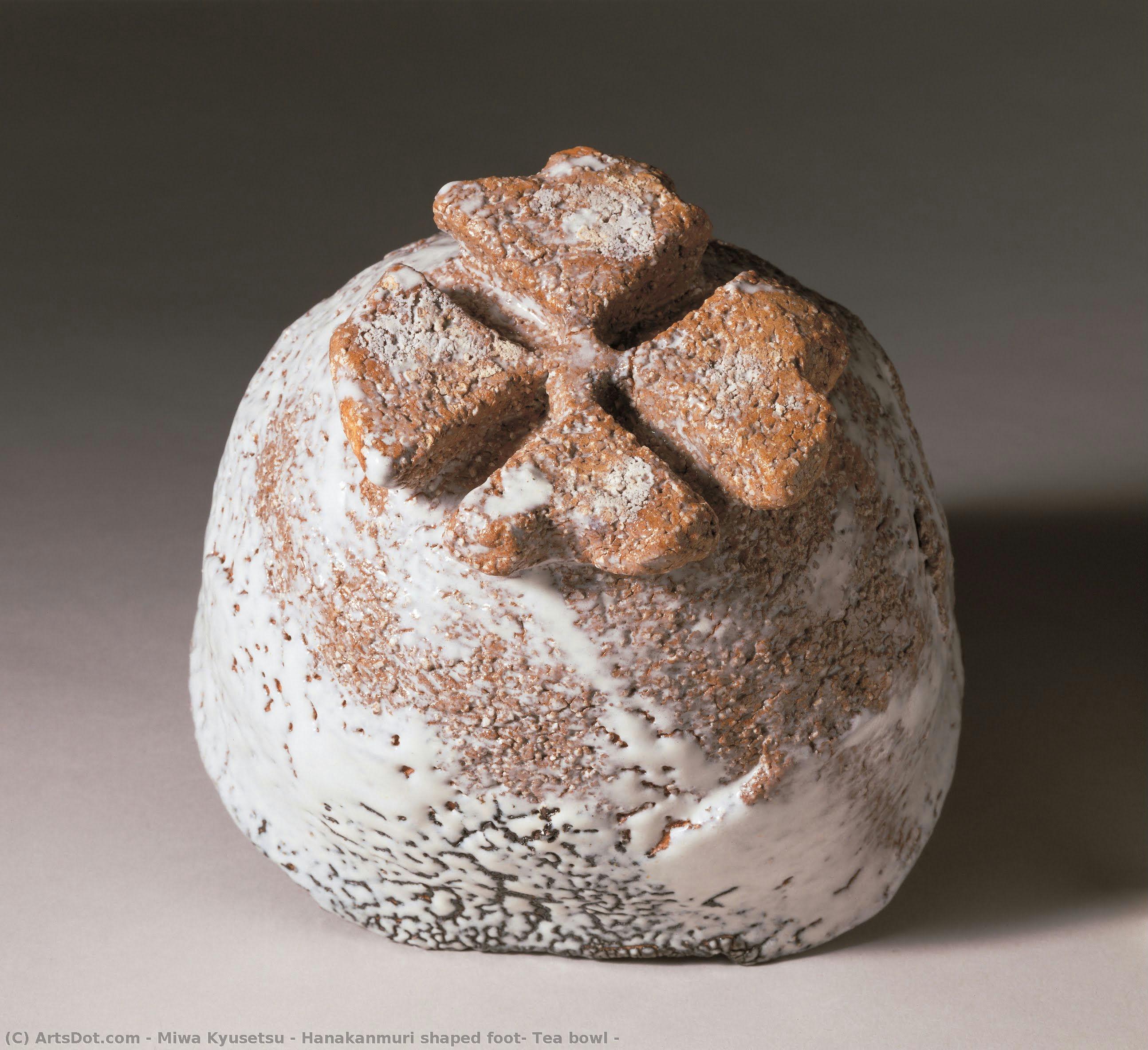
Hanakanmuri shaped foot, Tea bowl


 Читать далее
Жикле / Арт-принт
Печать (жикле) или холст музейного качества с быстрыми сроками изготовления и широким выбором вариантов отделки. ( Купить картину ручной работы Перейти к цифровым изображениям)




































Выберите один из наших стандартных размеров, соответствующих оригинальным пропорциям произведения искусства.

Вы можете указать свои собственные размеры, чтобы репродукция идеально подошла под конкретную раму или пространство. Если выбранный вами размер не будет соответствовать пропорциям оригинала, мы либо обрежем произведение, либо дополним изображение зеркальным отражением краев или однотонной заливкой. Перед началом производства вам будет отправлен цифровой макет для утверждения.
Пожалуйста, обратите внимание, что предварительный просмотр на экране не отображает фактическую обрезку или расширение изображения. Только макет точно покажет финальную композицию.
Несмотря на возможность заказа индивидуальных размеров, мы рекомендуем выбирать размер из предопределенного списка, чтобы сохранить оригинальные пропорции.
Доставка по всему миру () за 2 недели вместо стандартных 4/5 недель. (11 Сентябрь)

Бесплатная экспресс-доставка по всему миру

Высококачественный льняной холст

Полное страхование доставки

Гарантия возмещения таможенных пошлин

Гарантия точного соответствия цветов

100-дневная политика возврата (только при обнаружении дефектов)

Гарантия возврата 100% средств

Предложение оптовых скидок
 Вариант со стеклом доступен только для размеров менее 110 см

Hanakanmuri shaped foot, Tea bowl
Жикле / Арт-принт
Размер репродукции
-


Итоговая стоимость
$ 62
Похожие произведения
Биография художника
A Life Painted in Dreams: The Art of Tyrus Wong (1910 – 2012)
Tyrus Wong, born in 1910 in a small village near Canton, China, arrived in America as a young boy, embarking on a journey that would ultimately shape him into one of the most distinctive and profoundly influential figures in twentieth-century American art. His life was a testament to resilience, artistic exploration, and an unwavering pursuit of capturing the essence of feeling rather than simply replicating reality – a philosophy deeply rooted in his Eastern heritage and honed through decades spent immersed in the vibrant world of Hollywood animation. Wong’s story is not one of conventional success; it's a narrative of quiet dedication, personal vision, and a legacy that continues to resonate with artists and viewers alike.Early Years and the Dawn of Animation
Wong’s early life in China was marked by hardship and displacement. He arrived in Los Angeles as a child during the Chinese Exclusion Act, experiencing firsthand the challenges faced by immigrant communities. This experience instilled within him a deep appreciation for storytelling and a sensitivity to the human condition. His artistic journey began not with formal training but through practical necessity – he sought work during the Depression era. In 1938, Wong’s unique visual sensibility caught the eye of Walt Disney Studios, where he was initially hired as an inbetweener, a crucial role in animation involving filling in the gaps between key drawings to create fluid movement. It was here that his distinctive style began to emerge; rather than meticulously detailing every element, Wong focused on conveying atmosphere and emotion through color, texture, and suggestive forms. His work on *Bambi* (1942) is arguably his most famous achievement, a landmark film where Wong’s ethereal watercolor-inspired backgrounds – depicting forests bathed in hazy light and imbued with a sense of ancient mystery – fundamentally altered the visual landscape of animated storytelling. He famously described his approach as “painting the feeling” of the forest, prioritizing mood over literal representation.Beyond Disney: Illustration and a Lasting Influence
Following his work on *Bambi*, Wong continued to contribute his distinctive style to Warner Brothers, working as an illustrator and storyboard artist for numerous live-action films including *The Adventures of Robin Hood* and *Buckaroo Banjo Kid*. He developed a highly personal approach to illustration, often employing loose brushwork, vibrant colors, and a dreamlike quality that set him apart from more conventional commercial art. Despite his significant contributions, Wong largely remained outside the spotlight, preferring to focus on his own creative pursuits. He continued to work as an illustrator for over 25 years, developing a unique visual language characterized by bold color palettes, expressive brushstrokes, and a fascination with nature and mythology. His illustrations were often imbued with a sense of nostalgia and a quiet yearning for the past – qualities that would later become hallmarks of his mature artistic style.A Return to Painting: Late-Career Exploration
In retirement, Wong turned increasingly to painting, exploring themes of nature, folklore, and personal memory. His late-career work is characterized by a remarkable shift in style – moving away from the stylized imagery of his earlier years towards a more direct and expressive approach. He created intricate watercolor paintings depicting fantastical landscapes, mythical creatures, and scenes inspired by Chinese folk tales. These works are imbued with a profound sense of spirituality and a deep connection to the natural world. His use of color became even bolder and more evocative, reflecting a lifetime of observation and experience. Wong’s late-career paintings offer a glimpse into his inner world – a realm of dreams, memories, and enduring artistic vision.Legacy and Recognition
Tyrus Wong passed away in 2012 at the remarkable age of 102. For much of his life, he remained largely unknown outside of a small circle of friends and colleagues. However, in recent decades, his work has experienced a significant resurgence in recognition, with exhibitions held at major museums and galleries across the United States and Europe. His influence on contemporary artists is undeniable, particularly those working in animation, illustration, and mixed media. Wong’s legacy lies not only in his distinctive visual style but also in his unwavering commitment to artistic integrity and his profound understanding of the power of art to evoke emotion and transport viewers to another realm. He stands as a testament to the enduring value of individual vision and the transformative potential of a life dedicated to creative expression.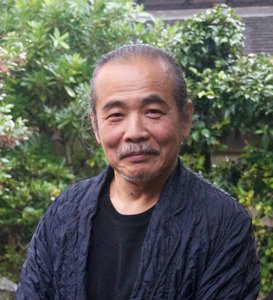
miwa kyusetsu
1910 - 2012 , Japan
Основные сведения
- Artistic Movement Or Style: Visual development
- Artists Or Movements Influenced By This Artist: ['Walt Disney Studios']
- Artists Who Influenced This Artist: ['Winslow Homer']
- Date Of Birth: 1910
- Full Name: Tyrus Wong
- Nationality: American
- Notable Artworks: ['Bambi (concept paintings)']
- Place Of Birth: China
Похожие статьи
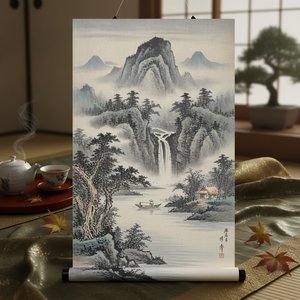
Serenity on Canvas: A Guide to the Timeless Beauty of Japanese Landscape Painting
Discover the serene beauty of Japanese landscape painting. From Hokusai's iconic woodblock prints to meditative sumi-e ink washes, explore a visual journey through the 'floating world' and learn how to bring this timeless Zen aesthetic into your modern home decor.

Топ-25 шедевров Кацусики Хокусая: Искусство Японии для вашего интерьера
Погрузитесь в мир гения Кацусики Хокусая! 25 легендарных гравюр укиё-э, включая "Великую волну". История искусства Японии и вдохновение для вашего интерьера. Репродукции высокого качества на ArtsDot.com.
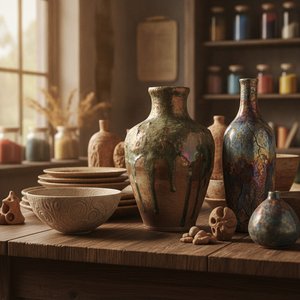
The Alchemy of Clay: A Collector's Guide to the Mastery, Texture, and Timeless Form of Ceramic Art
Discover the profound beauty of ceramic art. Our expert guide explores the alchemy of clay, texture, and glaze, offering collectors deep insights into mastering earth and fire to create timeless, sculptural masterpieces for any curated collection.
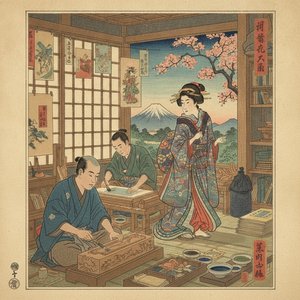
Floating World: The Captivating Art and Legacy of Japanese Ukiyo-e
Explore the profound beauty of Japanese Ukiyo-e. Discover the history, masters like Hokusai, and the enduring legacy of the 'Floating World' through an expert art-historical lens.
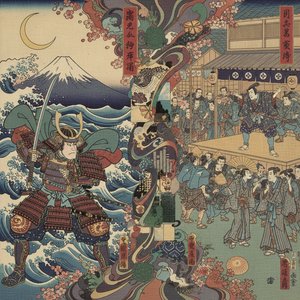
Utagawa Kuniyoshi: A Master of Japanese Ukiyo-e – Narrative Innovation & the Fusion of Tradition with Popular Culture
Explore the captivating world of Utagawa Kuniyoshi, a master of Japanese ukiyo-e woodblock prints. Discover his innovative warrior scenes, vibrant landscapes & lasting legacy in 19th-century art history.