

 Предпросмотр
 Поделиться
 Поделиться
 Детали произведения

 Скачать
 Похожие работы
 Рентгенография
 Слайд-шоу
 Статистика
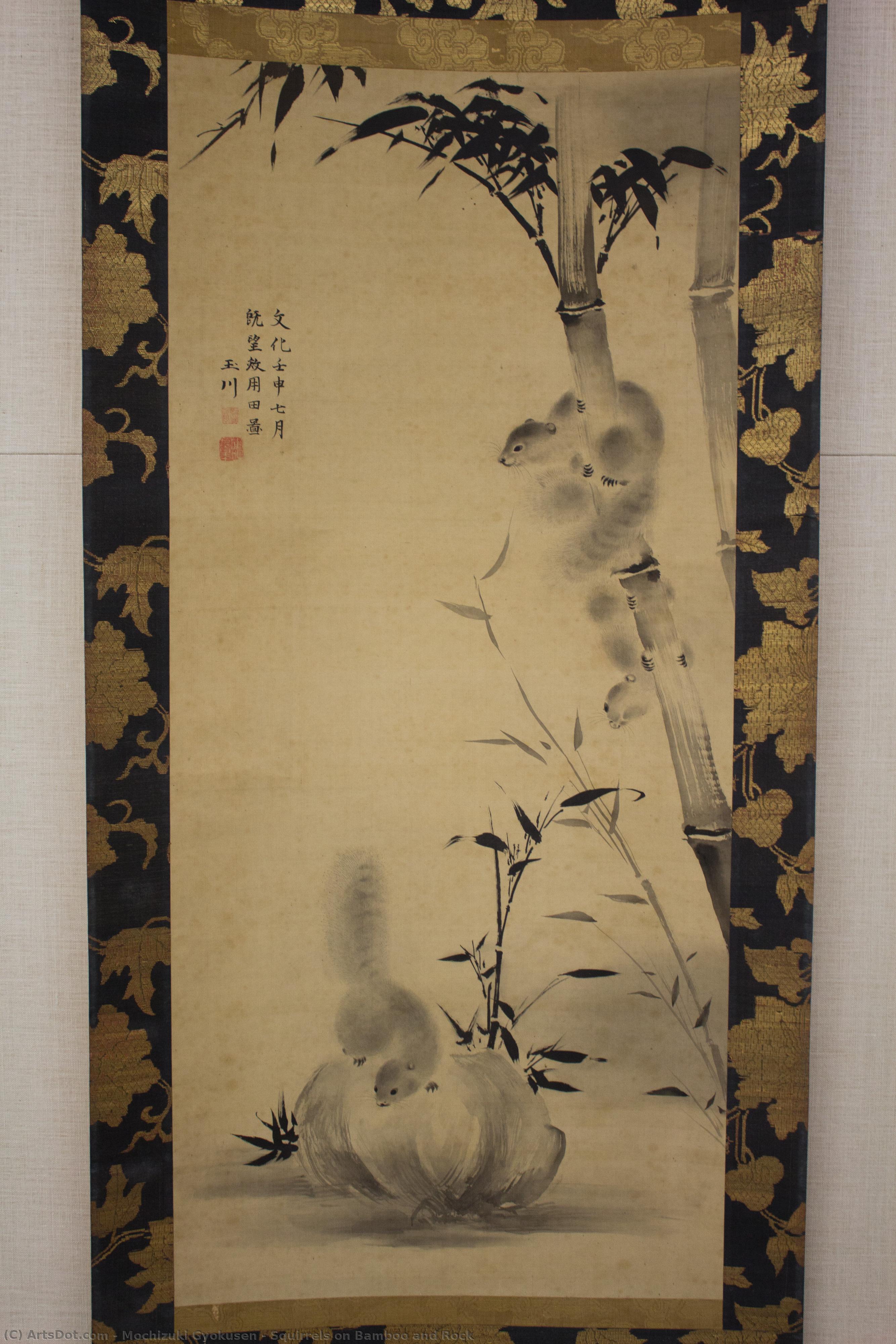
Untitled (D2X9MB)
 1812
1812 86.0 x 39.0 cm
 Читать далее
Приобретите цифровое изображение высокого разрешения в улучшенном качестве, которое значительно превосходит онлайн-превью.
Каждый файл тщательно подготавливается нашими специалистами с использованием передовых инструментов и экспертной ручной ретуши. Мы гарантируем исключительную четкость, точную цветопередачу и детальную проработку каждого изображения.
Финальный файл доставляется по электронной почте в течение 72 часов и оптимизирован для немедленного использования в профессиональной среде, при верстке и печати. Это тот же уровень качества, которому доверяют ведущие дизайнерские студии, издательства и галереи.
Цифровое изображение
Скачайте файл высокого разрешения для личного использования, печати и творческих проектов. ( Перейти к печати Купить картину ручной работы)
Включено в каждый заказ цифровых изображений
Гарантия экспертной цифровой доставки
Выбирая ArtsDot.com, вы получаете не просто изображение — вы приобретаете профессионально обработанное цифровое произведение искусства, созданное с безупречной точностью и под защитой гарантии качества. Вот всё, что автоматически входит в ваш заказ:

Мгновенная доставка по e-mail
Ваш цифровой файл в высоком разрешении будет отправлен вам по электронной почте в течение 72 часов после оформления заказа — и сразу станет доступен для использования.

Цифровой файл с ИИ-улучшением
Ваше произведение искусства проходит профессиональную оптимизацию с использованием передовых инструментов ИИ и ручной обработки, что гарантирует максимальную детализацию, четкость и точность цветопередачи.

Бессрочная бесплатная повторная доставка
Случайно удалили или потеряли файл? Не беспокойтесь — мы отправим его вам повторно в любое время и совершенно бесплатно.

Без импортных пошлин — навсегда
Наслаждайтесь вашим произведением искусства мгновенно без таможенных пошлин, сборов или затрат на доставку — цифровые загрузки всегда не облагаются налогом.

Гарантия точности цветопередачи
Мы гарантируем, что ваше цифровое изображение максимально точно передает оригинальные цвета благодаря использованию профессиональных инструментов и систем управления цветом.

Гарантия удовлетворенности 100 дней
Если вы не будете удовлетворены своим цифровым изображением, мы внесем правки или вернем 100% стоимости в течение 100 дней — без лишних вопросов.

100% Гарантия возврата средств
Не удовлетворены покупкой? Получите полный возврат средств в течение 100 дней после получения цифрового файла — без лишних вопросов.

Скидки на оптовые заказы
Купите 3 изображения, сэкономьте 10% — Купите 5, сэкономьте 15% — Купите 10+, сэкономьте 20%. Отличное решение для творческих проектов, галерей и агентств.
Похожие произведения









Биография художника
The Legacy of a Kyoto Clan: Mochizuki Gyokusen and the Nanga Tradition
Mochizuki Gyokusen, born in Kyoto in 1794 and passing away in 1852, represents not merely an individual artist but the continuation of a vibrant lineage within the Japanese art world. He was the third generation principal of the Mochizuki school, a clan deeply rooted in the aesthetic principles of Nanga painting – a style that embraced literati traditions imported from China and infused them with uniquely Japanese sensibilities. To understand Gyokusen is to trace the evolution of this artistic approach through the Edo period, witnessing its adaptation, refinement, and enduring appeal.
The origins of the Mochizuki school lie with Gyokusen’s grandfather, also named Mochizuki Gyokusen (1692-1755), a samurai who initially honed his skills in lacquer work before dedicating himself to painting. This early training instilled a meticulous attention to detail that would become a hallmark of the family style. The first Gyokusen's journey began with studies under masters of both the Tosa and Kano schools, but he ultimately found resonance in the expressive freedom of Chinese art, particularly the works of the literati painters. He established a distinctive voice characterized by landscapes imbued with poetic nuance, delicate flower paintings, and refined portraiture. This foundation was crucial; it set the stage for his successors to build upon.
A Family Style: Continuity and Nuance
The second generation, Mochizuki Gyokusen (1744-1795), continued the school’s trajectory with remarkable consistency. He skillfully navigated a range of techniques – from sumi ink painting to richly colored compositions – maintaining the family's reputation for versatility and quality. However, distinguishing between the works of the first two Gyokusens can be challenging, as they often employed similar signatures and stylistic approaches. This continuity speaks to the school’s commitment to preserving its core aesthetic principles, but also highlights a potential complexity for modern scholars seeking to attribute specific pieces.
It was with Mochizuki Gyokusen III – our subject – that the school reached a new level of prominence. Born into this established artistic heritage, he benefited from exposure to diverse influences throughout his career. He initially studied at Ninomaru Palace in Kanazawa Castle under Kishi Ganku and later with Matsumura Goshun of the Shijo School. Further studies with Murakami Tōshu and Saeki Ganku broadened his perspective, culminating in a period of apprenticeship with the influential Tani Bunchō in Edo. This eclectic training shaped Gyokusen’s mature style – a harmonious blend of literati painting, landscape traditions, and a distinctly Japanese sensibility.
Themes and Techniques: A Poetic Vision
Gyokusen's paintings often depict serene landscapes, evocative scenes from nature, and subjects drawn from classical Chinese literature. His mastery of ink wash techniques allowed him to create atmospheric depth and subtle gradations of tone, capturing the essence of the natural world with remarkable precision. He was particularly adept at portraying bamboo, plum blossoms, and other symbols associated with resilience, integrity, and scholarly pursuits. His “Night Parade of One Hundred Demons” (1801), a woodblock print based on earlier handscroll versions from the Shinjuan temple, exemplifies his ability to blend traditional motifs with a captivating visual narrative. The work showcases Ukiyo-e style, rich colors and folklore – a testament to his versatility.
Gyokusen’s skill extended beyond painting to calligraphy, further solidifying his position as a true literati artist. He believed that painting and calligraphy were inseparable arts, each enhancing the expressive power of the other. His calligraphic works often accompanied his paintings, adding layers of meaning and poetic context.
Historical Significance: Patronage and Legacy
Mochizuki Gyokusen enjoyed patronage from both private collectors and the Imperial Palace, a testament to the quality and refinement of his work. He played a key role in the modernization of art in Kyoto and was instrumental in founding the Kyoto Prefectural School of Arts, contributing significantly to the education of future generations of artists. The school continued through subsequent generations – Gyokusen IV (1834-1913) becoming an official artist to the emperor and blending nihonga with Western realism, and Gyokkei (1874-1938) further refining the family style.
While perhaps not as widely recognized internationally as some of his contemporaries, Mochizuki Gyokusen’s contribution to Japanese art is significant. He embodied the spirit of Nanga painting – a reverence for tradition, a commitment to artistic excellence, and a profound appreciation for the beauty of nature. His legacy lives on through the works preserved in museums and private collections, offering a glimpse into the rich cultural landscape of Edo-period Japan.
mochizuki gyokusen
1794 - 1852 , Japan
Основные сведения
- Artistic Movement Or Style: Nanga painting
- Artists Who Influenced This Artist: ['Chinese painters']
- Date Of Birth: 1794
- Date Of Death: 1852
- Full Name: Mochizuki Gyokusen
- Nationality: Japanese
- Notable Artworks: ['Night Parade of Demons']
- Place Of Birth: Kyoto, Japan