

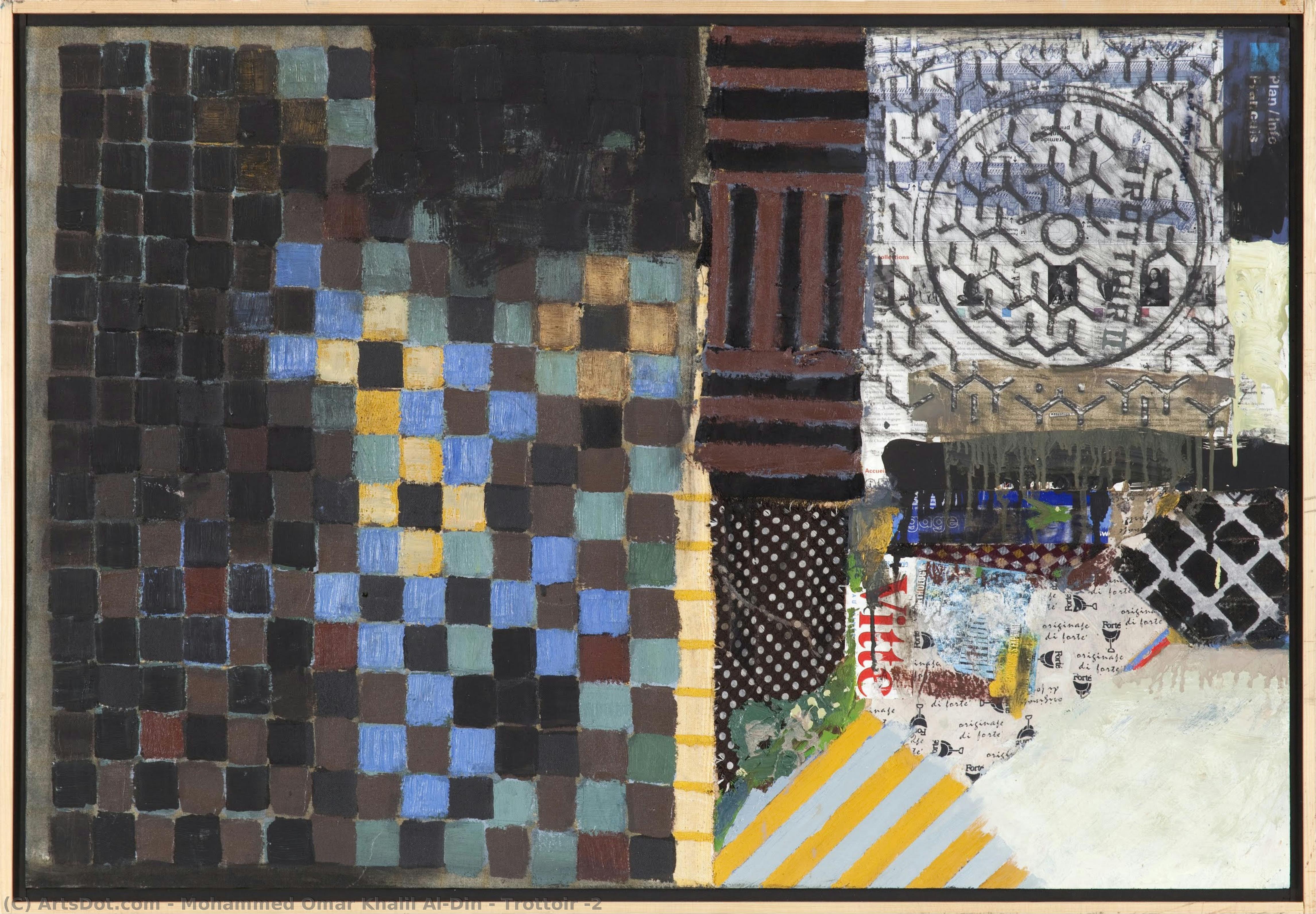
 Предпросмотр
 Поделиться
 Поделиться
 Детали произведения

 Скачать
 Похожие работы
 Рентгенография
 Слайд-шоу
 Статистика
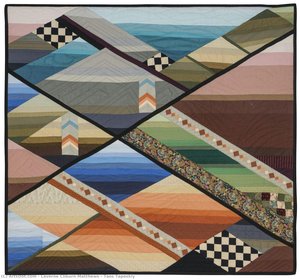
Trottoir #2
 2003
2003 65.0 x 90.0 cm
 Contemporary Art Platform
 Читать далее
Масляная репродукция ручной работы
Картина маслом на холсте в выбранном вами размере и раме, написанная на заказ нашими художниками. ( Перейти к печати Перейти к цифровым изображениям)




































Выберите один из наших стандартных размеров, соответствующих оригинальным пропорциям произведения искусства.

Вы можете указать собственные размеры, чтобы картина идеально вписалась в выбранную раму или пространство. Если выбранный вами размер не соответствует пропорциям оригинала, мы либо обрежем полотно, либо расширим его за счет дополнительных элементов, написанных вручную. Цифровой макет будет отправлен вам на утверждение перед началом производства.
Обратите внимание, что предварительный просмотр на экране не отражает фактическую обрезку или расширение. Только макет точно покажет окончательную композицию.
Хотя доступны индивидуальные размеры, мы рекомендуем выбирать вариант из предопределенного списка, чтобы сохранить исходные пропорции.
После оформления заказа команда ArtsDot.com свяжется с клиентом по электронной почте для уточнения деталей и предоставит предварительный макет
Доставка по всему миру () за 3–4 недели вместо стандартных 5 недель. (11 Сентябрь). Без компромиссов в качестве.

Бесплатная экспресс-доставка по всему миру

Высококачественный льняной холст

Полное страхование доставки

Гарантия возмещения таможенных пошлин

Гарантия точного соответствия цветов

100-дневная политика возврата (только при обнаружении дефектов)

Гарантия возврата 100% средств

Предложение оптовых скидок
 Вариант со стеклом доступен только для размеров менее 110 см

Trottoir #2
Техника репродукции
Размер репродукции
-


Итоговая стоимость
$ 263
Похожие произведения





Биография художника
Frank Stella: A Pioneer of Minimalism and Geometric Abstraction
Frank Stella, born in Malden, Massachusetts, on May 12, 1936, emerged as a pivotal figure in the mid-20th century art world, profoundly influencing movements like minimalism and post-painterly abstraction. His career, spanning nearly six decades, was characterized by an unwavering commitment to exploring the fundamental elements of painting – surface, color, and form – often rejecting traditional notions of representation and emotional expression. Stella’s journey began with a strong artistic foundation nurtured by his mother, a practicing artist herself, who instilled in him a deep appreciation for visual language from a young age. Early influences included the work of artists like Franz Kline and Jackson Pollock, whose emphasis on direct mark-making resonated deeply within him. However, Stella quickly developed a distinct approach, moving beyond mere gesture to meticulously constructed geometric forms that became his signature style.Early Years and Artistic Development
Stella’s formal artistic training at Phillips Academy in Andover provided him with a rigorous grounding in art history and technique. He excelled academically, earning numerous awards including the prestigious “Bullocks Gold Key” for High School Achievement in Art – an award that foreshadowed his future success. Crucially, a formative experience during his high school years involved a visit to the Art Center School in Los Angeles, where he encountered the work of pioneering abstract artists and designers. This encounter ignited a passion for exploring the possibilities of non-representational art and solidified his desire to pursue a career as an artist. Following graduation, Stella moved to New York City in the late 1950s, immersing himself in the vibrant artistic scene and engaging with key figures like Al Held and Clyfford Still. His early paintings, often characterized by bold black-and-white stripes, marked a deliberate departure from the gestural abstraction prevalent at the time, establishing a minimalist aesthetic that prioritized the materiality of the canvas itself.The Rise of Minimalism and “Stationery”
Stella’s work gained significant attention in 1959 with the exhibition *Black Paintings* at the Museum of Modern Art in New York City. These paintings, featuring stark black stripes on white backgrounds, were a radical departure from the prevailing abstract expressionist style and quickly became emblematic of the emerging minimalist movement. He followed this success with a series of “Stationery” paintings (1962-1967), which further explored the concept of painting as an object. These works consisted of canvases painted with a single, unbroken line, often using industrial paint rollers to create precise and uniform surfaces. Stella’s intention was to strip away any suggestion of painterly skill or expressive intent, reducing the act of painting to its most fundamental elements – color, shape, and surface. The “Stationery” series demonstrated his commitment to a purely formal approach, challenging viewers to reconsider their understanding of art's purpose and value.Expanding Forms and Color Theory
As Stella’s career progressed, he continued to experiment with increasingly complex geometric forms and color palettes. The “Structural Paintings” (1965-1968) marked a significant shift in his artistic practice, introducing layered planes of color that created dynamic spatial relationships on the canvas. These paintings were meticulously constructed using a system of interlocking rectangles, each painted with a distinct hue. Stella’s exploration of color theory became increasingly sophisticated, utilizing subtle gradations and juxtapositions to create visually arresting effects. He also began incorporating elements of architecture and design into his work, reflecting his interest in the relationship between art and space.Legacy and Influence
Frank Stella died on May 4, 2024, at the age of 87 in New York City. His impact on contemporary art is undeniable. He not only spearheaded the minimalist movement but also profoundly influenced subsequent generations of artists working across a range of media. Stella’s emphasis on geometric abstraction, his rigorous approach to material and process, and his willingness to challenge conventional notions of artistic expression continue to resonate today. His work can be found in major museums worldwide, including the Museum of Modern Art, New York; the Tate Modern, London; and the Centre Pompidou, Paris. Stella’s legacy as a visionary artist and a key figure in 20th-century art remains firmly established.
mohammed omar khalil al-din
1936 - 2020 , Sudan
Основные сведения
- Artistic Movement Or Style:
- Minimalism
- Post-painterly abstraction
- Artists Or Movements Influenced By This Artist:
- Barnett Newman
- Robert Ryman
- Artists Who Influenced This Artist:
- Franz Kline
- Jackson Pollock
- Date Of Birth: May 12, 1936
- Date Of Death: May 4, 2024
- Full Name: Frank Philip Stella
- Nationality: American
- Notable Artworks:
- Picture Pieces
- Stripes
- Color Boxes
- Place Of Birth: Malden, Massachusetts