

 Предпросмотр
 Поделиться
 Поделиться
 Детали произведения

 Скачать
 Похожие работы
 Рентгенография
 Слайд-шоу
 Статистика
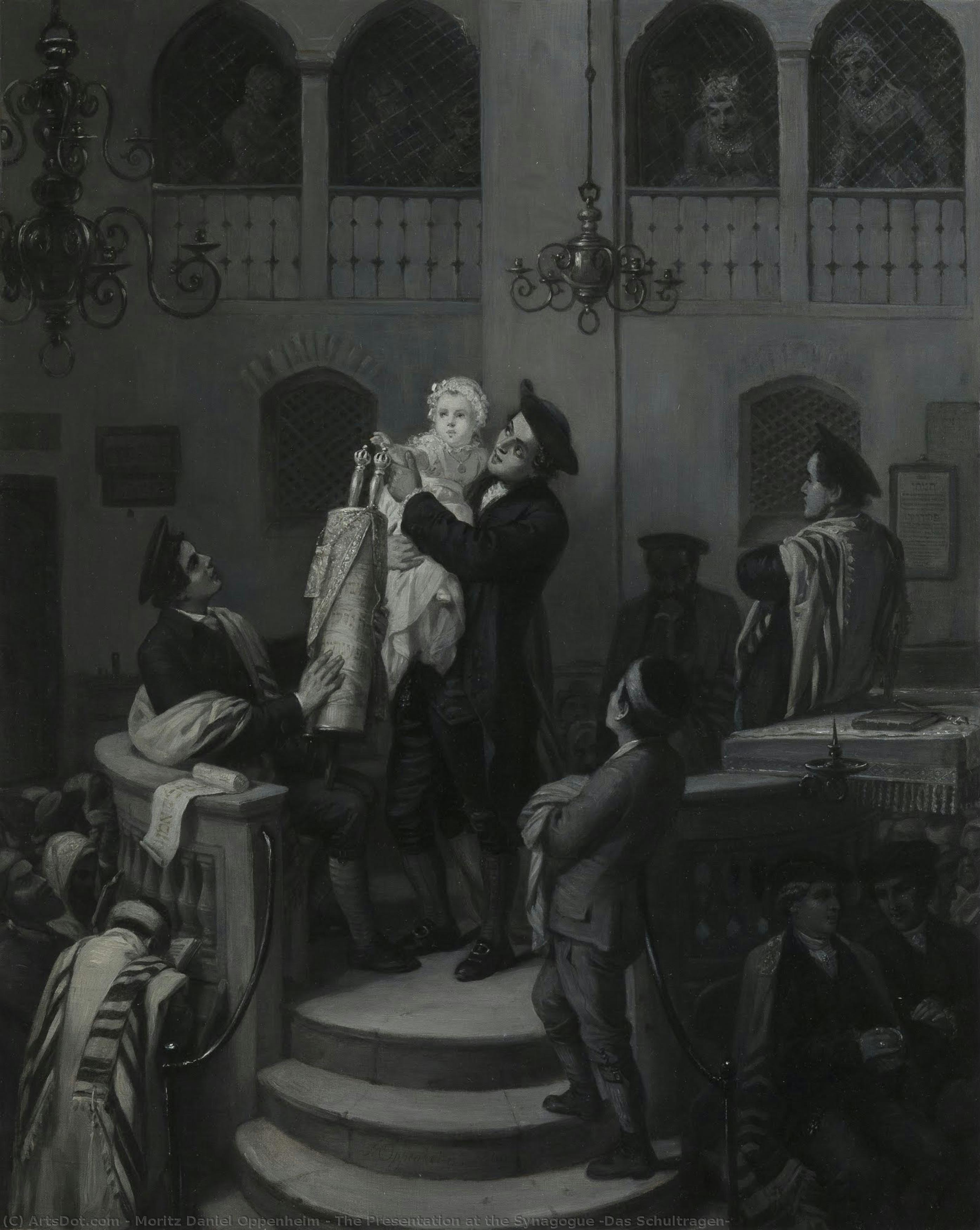
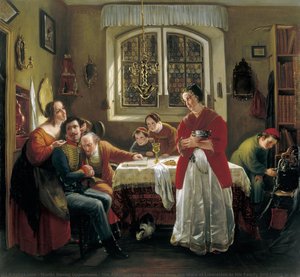
The Presentation at the Synagogue (Das Schultragen)
 Oil On Canvas
- WallArt
- Contemporary Realism
 1869
1869- 19th Century
 71.0 x 57.0 cm
 Музей еврейской культуры
 Читать далее
Жикле / Арт-принт
Печать (жикле) или холст музейного качества с быстрыми сроками изготовления и широким выбором вариантов отделки. ( Купить картину ручной работы Перейти к цифровым изображениям)




P118B $10

P118H $10

P118W $10

P438Z $10

P508JH $12

P508YH $12

P805H $10

P805Z $10

P919BZ $10

P919G $10

P919XJ $10

P959ZH $10

P968JZ $12

W106C $8

W218G $10

W218JH $8

W218Y $10

W307PJ $10

W316G $10

W316PJ $8

W316Y $10

W398PJ $8

W4111J $10

W500HY $15

W500JH $15

W692G $12

W849H $8

W940BG $15

W953PJ $8




Выберите один из наших стандартных размеров, соответствующих оригинальным пропорциям произведения искусства.

Вы можете указать свои собственные размеры, чтобы репродукция идеально подошла под конкретную раму или пространство. Если выбранный вами размер не будет соответствовать пропорциям оригинала, мы либо обрежем произведение, либо дополним изображение зеркальным отражением краев или однотонной заливкой. Перед началом производства вам будет отправлен цифровой макет для утверждения.
Пожалуйста, обратите внимание, что предварительный просмотр на экране не отображает фактическую обрезку или расширение изображения. Только макет точно покажет финальную композицию.
Несмотря на возможность заказа индивидуальных размеров, мы рекомендуем выбирать размер из предопределенного списка, чтобы сохранить оригинальные пропорции.
Доставка по всему миру () за 2 недели вместо стандартных 4/5 недель. (11 Сентябрь)

Бесплатная экспресс-доставка по всему миру

Высококачественный льняной холст

Полное страхование доставки

Гарантия возмещения таможенных пошлин

Гарантия точного соответствия цветов

100-дневная политика возврата (только при обнаружении дефектов)

Гарантия возврата 100% средств

Предложение оптовых скидок
 Вариант со стеклом доступен только для размеров менее 110 см

The Presentation at the Synagogue (Das Schultragen)
Жикле / Арт-принт
Размер репродукции
-


Итоговая стоимость
$ 62
A Window into Jewish Tradition: Exploring Moritz Daniel Oppenheim’s “The Presentation at the Synagogue”
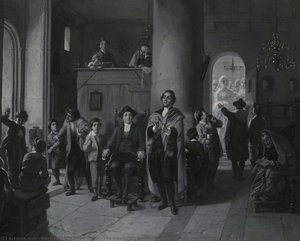
Moritz Daniel Oppenheim's "The Presentation at the Synagogue" (Das Schultragen), completed in 1869, stands as a remarkable testament to his artistic vision and a crucial document of German Jewish life during the Victorian era. More than just a beautifully rendered depiction of ritual observance, this monochrome oil painting delves into themes of community responsibility, familial piety, and the enduring importance of preserving cultural heritage—elements that resonate powerfully with contemporary audiences seeking authentic representations of history and faith.Composition and Style: Realism Infused with Dramatic Gesture
The artwork’s visual impact is immediately striking due to its masterful use of tonal gradation. Oppenheim employs a palette dominated by shades of grey and black, creating an atmosphere of solemn contemplation that perfectly captures the gravity of the depicted ceremony. The composition itself is complex, skillfully arranged to guide the viewer's eye across multiple figures positioned within a grand hall—likely a synagogue—characterized by soaring arches and ornate chandeliers. Oppenheim’s style leans heavily toward realism, prioritizing meticulous detail in portraying architectural elements and clothing folds. However, he elevates this realism with theatrical staging, positioning his subjects in poses that convey emotion and narrative tension. Lines are used strategically to define shapes and establish depth, reinforcing the formal setting and enhancing the overall sense of grandeur.Technique and Material Considerations
Oppenheim’s technique demonstrates a profound understanding of oil painting principles—particularly layering and blending—allowing him to achieve subtle tonal variations that imbue the scene with luminosity despite its monochromatic hue. The artist meticulously builds up textures through brushstrokes, convincingly simulating stone surfaces, drapery fabrics, and polished wood finishes. This dedication to craftsmanship speaks volumes about Oppenheim’s commitment to capturing not merely what he saw but also how it *felt*. The canvas itself is primed with a durable medium ensuring the longevity of this evocative artwork.Historical Context and Symbolic Significance
“The Presentation at the Synagogue” reflects the evolving social landscape of German Jewry in the mid-19th century—a period marked by increasing urbanization and assimilation pressures alongside a fervent desire to maintain Jewish traditions. The depicted ritual symbolizes the solemn obligation upon young boys to undertake their first synagogue visit, representing a rite of passage crucial for transmitting Jewish faith and values across generations. Furthermore, the gesture of presenting the Torah binder – a symbol of Jewish scholarship and piety – underscores the importance of education and cultural preservation within the community. Oppenheim’s work serves as an invaluable visual record of this era, prompting reflection on themes of identity, responsibility, and the enduring power of ritual observance.Emotional Resonance: A Portrait of Faith and Family
Ultimately, “The Presentation at the Synagogue” transcends mere historical documentation; it communicates a palpable sense of reverence and familial warmth. The artist’s careful attention to facial expressions and body language conveys the solemn dignity of the occasion while subtly hinting at the deep bonds between father and son—connections that remain universally relatable across cultures and time periods. This artwork continues to inspire admiration for its artistic merit and offers a poignant glimpse into the spiritual heart of German Jewish life during a formative chapter in history.Похожие произведения

Похожие статьи

The Enduring Legacy of Oil on Canvas: Technique, History & Aesthetic Impact
Explore the rich history & techniques of oil painting – from Renaissance masters to Impressionism. Discover pigments, layering methods, and why this timeless medium endures. Expert insights for artists & art enthusiasts.
Топ-10 шедевров масляной живописи на доске, изменившие искусство | ArtsDot.com
Откройте для себя 10 легендарных шедевров масляной живописи на доске, изменивших искусство! Узнайте истории Ван Гога, Моне и других великих художников. Репродукции картин премиум-качества для вашего интерьера – ArtsDot.com

Oil on Canvas: A Historical & Technical Exploration of a Timeless Artistic Medium
Explore the rich history & enduring techniques of oil painting on canvas. Discover the science behind its longevity, conservation practices, and contemporary relevance. Expert insights for art enthusiasts.

Масляная живопись: История, техника и непреходящее наследие
Узнайте все о масляной живописи: история техники, секреты мастеров и современные тенденции. Погрузитесь в мир искусства с экспертами !

The Enduring Power of Painting: A Historical & Contemporary Exploration of Form and Emotion
Explore the rich history & enduring techniques of oil painting with ArtsDot. Discover masterpieces, learn about art collecting, and find authentic handmade reproductions crafted by skilled artists.