

 Предпросмотр
 Поделиться
 Поделиться
 Детали произведения

 Скачать
 Похожие работы
 Рентгенография
 Слайд-шоу
 Статистика
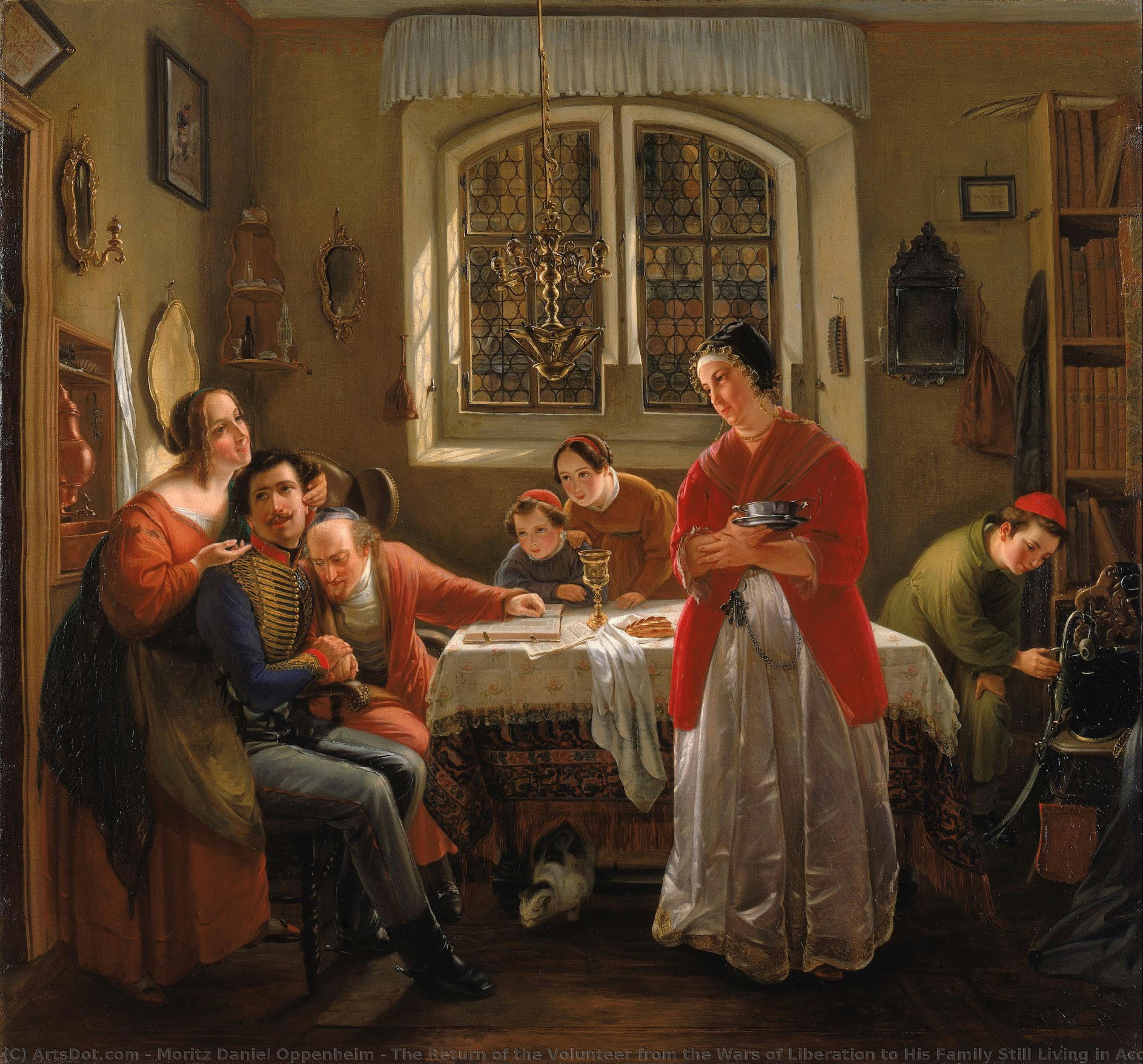
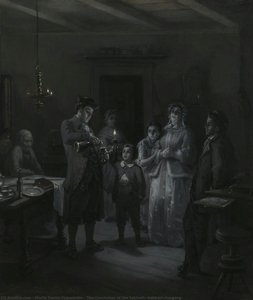
The Return of the Volunteer from the Wars of Liberation to His Family Still Living in Accordance with Old Customs (Die Heimkehr des Freiwilligen aus den Befreiungskriegen zu den nach alter Sitte lebenden Seinen)
 Oil On Canvas
- WallArt
- Romanticism
 1834
1834- 19th Century
 940.0 x 864.0 cm
 Музей еврейской культуры
 Читать далее
Масляная репродукция ручной работы
Картина маслом на холсте в выбранном вами размере и раме, написанная на заказ нашими художниками. ( Перейти к печати Перейти к цифровым изображениям)




P118B $10

P118H $10

P118W $10

P438Z $10

P508JH $12

P508YH $12

P805H $10

P805Z $10

P919BZ $10

P919G $10

P919XJ $10

P959ZH $10

P968JZ $12

W106C $8

W218G $10

W218JH $8

W218Y $10

W307PJ $10

W316G $10

W316PJ $8

W316Y $10

W398PJ $8

W4111J $10

W500HY $15

W500JH $15

W692G $12

W849H $8

W940BG $15

W953PJ $8




Выберите один из наших стандартных размеров, соответствующих оригинальным пропорциям произведения искусства.

Вы можете указать собственные размеры, чтобы картина идеально вписалась в выбранную раму или пространство. Если выбранный вами размер не соответствует пропорциям оригинала, мы либо обрежем полотно, либо расширим его за счет дополнительных элементов, написанных вручную. Цифровой макет будет отправлен вам на утверждение перед началом производства.
Обратите внимание, что предварительный просмотр на экране не отражает фактическую обрезку или расширение. Только макет точно покажет окончательную композицию.
Хотя доступны индивидуальные размеры, мы рекомендуем выбирать вариант из предопределенного списка, чтобы сохранить исходные пропорции.
После оформления заказа команда ArtsDot.com свяжется с клиентом по электронной почте для уточнения деталей и предоставит предварительный макет
Доставка по всему миру () за 3–4 недели вместо стандартных 5 недель. (13 Сентябрь). Без компромиссов в качестве.

Бесплатная экспресс-доставка по всему миру

Высококачественный льняной холст

Полное страхование доставки

Гарантия возмещения таможенных пошлин

Гарантия точного соответствия цветов

100-дневная политика возврата (только при обнаружении дефектов)

Гарантия возврата 100% средств

Предложение оптовых скидок
 Вариант со стеклом доступен только для размеров менее 110 см

The Return of the Volunteer from the Wars of Liberation to His Family Still Living in Accordance with Old Customs (Die Heimkehr des Freiwilligen aus den Befreiungskriegen zu den nach alter Sitte lebenden Seinen)
Техника репродукции
Размер репродукции
-


Итоговая стоимость
$ 263
A Poignant Reunion: The Heart of Jewish Identity
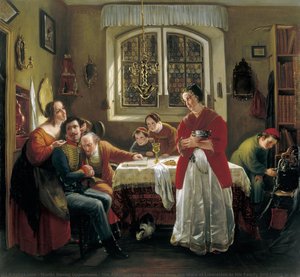
In the quiet, sun-drenched corners of 19th-century domestic life, Moritz Daniel Oppenheim captured a moment that transcends mere historical documentation to become a profound emotional experience. The Return of the Volunteer from the Wars of Liberation to His Family Still Living in Accordance with Old Customs is not simply a painting of a homecoming; it is a breathtaking window into a community navigating the turbulent waters of modernization and emancipation. As the central figure—a soldier recently returned from the grueling Wars of Liberation—steps back into the warmth of his ancestral home, we witness the delicate tension between the duty of the new world and the sacred comforts of the old. The scene is thick with the scent of nostalgia, inviting the viewer to step into a room where every shadow and light beam tells a story of resilience and enduring faith.
The composition masterfully guides the eye through a narrative of reconnection. At the heart of this domestic tableau stands the soldier, his blue uniform and gold epaulettes serving as stark, dignified reminders of the external conflicts that have shaped his character. Yet, as he stands by a table draped in pristine white, the focus shifts from the battlefield to the intimate gestures of his kin. His wife offers a silent, nurturing presence, while children engage in activities that mirror the gravity and grace of their elders. Even the inclusion of a loyal dog at the periphery adds a layer of homely comfort, grounding the grander historical themes in the relatable, tactile reality of family life.
Masterful Technique and Romantic Realism
Oppenheim’s technical prowess lies in his ability to marry the sweeping emotionality of Romanticism with a meticulous, almost photographic Realism. His use of oil on canvas allows for a rich, textural depth that makes the opulent setting feel tangible. One can almost feel the weight of the heavy fabrics, the smoothness of the polished wood, and the delicate glow emanating from the chandelier. The artist employs a palette dominated by warm, golden tones, which bathe the room in an ethereal light, suggesting a sense of divine blessing upon this domestic stability.
The brushwork is both expressive and controlled; while loose enough to capture the fleeting play of natural light through the window, it remains precise enough to render the intricate details of the room’s furnishings—the mirrors, the paintings on the walls, and the fine textures of the attire. This duality of style serves a higher purpose: it elevates a private family moment into a monumental historical statement. For the collector or interior designer, this painting offers more than just visual beauty; it provides a sophisticated focal point that brings a sense of narrative depth and classical elegance to any curated space.
A Legacy of Tradition in a Changing World
Beyond its aesthetic splendor, the painting serves as a vital visual record of 19th-century Jewish culture. Oppenheim, a pioneer who achieved mainstream recognition while remaining deeply rooted in his heritage, uses this work to argue that progress does not require the abandonment of tradition. The "old customs" mentioned in the title are visible in the very atmosphere of the room—in the way the family gathers, the way the space is curated, and the reverence with which they inhabit their shared history. It is a celebration of continuity amidst the chaos of European political shifts.
For those seeking to adorn their homes with art that inspires contemplation, this reproduction offers an unparalleled opportunity. It is a piece that speaks to the universal themes of homecoming, the strength of familial bonds, and the courage required to bridge two different eras. Owning such a work is an invitation to preserve a sense of history and warmth within one's own walls, making it an exquisite choice for those who value art with a soul.
Похожие произведения

Похожие статьи
Эволюция семейных портретов: персонализированное искусство как летопись жизни поколений
Узнайте историю семейных портретов и откройте для себя искусство сохранения памяти поколений. Закажите уникальный портрет маслом у профессиональных художников! Персонализация, высокое качество, экспертные консультации.
Эхо предков: Семейные портреты в истории и их непреходящее значение
Исследуйте историю семейного портрета, его символику и значение в русской культуре. Узнайте о традициях создания фамильных портретов и современных тенденциях в искусстве.

Romantic Realism's Finest: 10 Masterpieces for Your Home | ArtsDot
Explore 10 defining masterpieces of Romantic Realism! Discover Courbet, Millet & Daumier's powerful paintings—capturing emotion and social realities. Find museum-quality reproductions for your home at ArtsDot.com.

Thomas Daniell: Navigating Light, Landscape & Cultural Exchange in Early 19th-Century India
Explore the captivating landscapes of Thomas Daniell, a pioneering artist who documented India's beauty in the 19th century. Discover his 'Oriental Scenery,' aquatint technique & lasting legacy. Hand-painted reproductions available at ArtsDot.
The Enduring Legacy of Family Portraiture: A Historical & Artistic Exploration
Explore the rich history of family portraiture with ArtsDot. Discover artistic styles, symbolism & collecting insights. Commission a custom oil painting or appraise your existing artwork today!