

 Предпросмотр
 Поделиться
 Поделиться
 Детали произведения

 Скачать
 Похожие работы
 Рентгенография
 Слайд-шоу
 Статистика
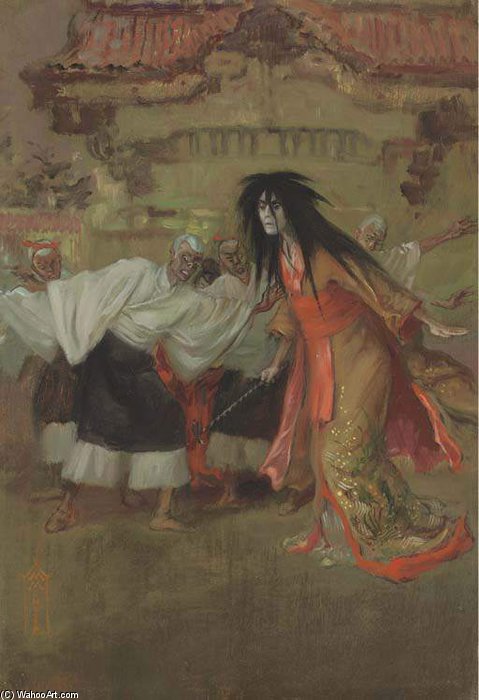
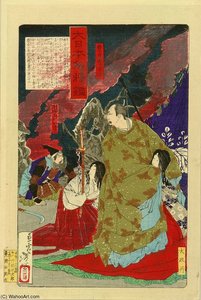
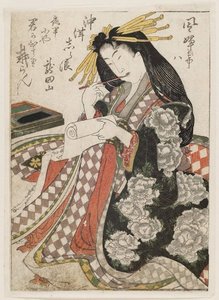
Kiyohime

 Читать далее
Приобретите цифровое изображение высокого разрешения в улучшенном качестве, которое значительно превосходит онлайн-превью.
Каждый файл тщательно подготавливается нашими специалистами с использованием передовых инструментов и экспертной ручной ретуши. Мы гарантируем исключительную четкость, точную цветопередачу и детальную проработку каждого изображения.
Финальный файл доставляется по электронной почте в течение 72 часов и оптимизирован для немедленного использования в профессиональной среде, при верстке и печати. Это тот же уровень качества, которому доверяют ведущие дизайнерские студии, издательства и галереи.
Цифровое изображение
Скачайте файл высокого разрешения для личного использования, печати и творческих проектов. ( Перейти к печати Купить картину ручной работы)
Включено в каждый заказ цифровых изображений
Гарантия экспертной цифровой доставки
Выбирая ArtsDot.com, вы получаете не просто изображение — вы приобретаете профессионально обработанное цифровое произведение искусства, созданное с безупречной точностью и под защитой гарантии качества. Вот всё, что автоматически входит в ваш заказ:

Мгновенная доставка по e-mail
Ваш цифровой файл в высоком разрешении будет отправлен вам по электронной почте в течение 72 часов после оформления заказа — и сразу станет доступен для использования.

Цифровой файл с ИИ-улучшением
Ваше произведение искусства проходит профессиональную оптимизацию с использованием передовых инструментов ИИ и ручной обработки, что гарантирует максимальную детализацию, четкость и точность цветопередачи.

Бессрочная бесплатная повторная доставка
Случайно удалили или потеряли файл? Не беспокойтесь — мы отправим его вам повторно в любое время и совершенно бесплатно.

Без импортных пошлин — навсегда
Наслаждайтесь вашим произведением искусства мгновенно без таможенных пошлин, сборов или затрат на доставку — цифровые загрузки всегда не облагаются налогом.

Гарантия точности цветопередачи
Мы гарантируем, что ваше цифровое изображение максимально точно передает оригинальные цвета благодаря использованию профессиональных инструментов и систем управления цветом.

Гарантия удовлетворенности 100 дней
Если вы не будете удовлетворены своим цифровым изображением, мы внесем правки или вернем 100% стоимости в течение 100 дней — без лишних вопросов.

100% Гарантия возврата средств
Не удовлетворены покупкой? Получите полный возврат средств в течение 100 дней после получения цифрового файла — без лишних вопросов.

Скидки на оптовые заказы
Купите 3 изображения, сэкономьте 10% — Купите 5, сэкономьте 15% — Купите 10+, сэкономьте 20%. Отличное решение для творческих проектов, галерей и агентств.
Похожие произведения
Биография художника
Gustave Courbet: A Revolutionary Vision of Reality
Born in Ornans, France, in 1819, Gustave Courbet’s life and art were inextricably linked to a profound desire to challenge the established norms of the French art world. His early years, marked by a rebellious spirit instilled by his anti-monarchical family, foreshadowed a lifelong commitment to portraying the realities of everyday life—not idealized landscapes or mythological scenes, but the lives of ordinary people, particularly laborers and peasants. This dedication to depicting the tangible world would ultimately define him as a pivotal figure in the development of Realism, a movement that irrevocably altered the course of 19th-century art.
Courbet’s artistic journey began with formal training at the École des Beaux-Arts in Paris, an institution steeped in tradition and focused on academic painting. However, he quickly grew disillusioned with the rigid rules and emphasis on historical or mythological subjects. Rejecting these conventions, Courbet famously declared that he would only paint what he could see – a statement that became the cornerstone of his artistic philosophy. This commitment led him to abandon the Salon system, the official exhibition controlled by the Académie des Beaux-Arts, and instead organize his own independent exhibitions, most notably in 1855, which generated considerable controversy and ultimately solidified his reputation as a radical innovator.
The Painter’s Studio: A Masterpiece of Allegory
"The Painter's Studio" (L’Atelier du Peintre), completed around 1855, stands as the most compelling example of Courbet’s artistic vision. This monumental canvas—nearly twelve feet tall and nearly twenty feet wide—is far more than a simple depiction of an artist at work; it is a complex allegory exploring themes of labor, creativity, and social status. The painting features Courbet himself, along with a nude woman who serves as his model, a young boy observing the scene, and a variety of tools and materials scattered across the studio floor.
The composition is deliberately unconventional. The figures are arranged in a seemingly haphazard manner, yet each element contributes to the painting’s overall meaning. The nude woman, often interpreted as representing Muse or inspiration, stands in stark contrast to the rough-hewn tools and the boy's humble attire, highlighting the disparity between artistic creation and the realities of everyday life. Courbet masterfully employs a muted color palette and a realistic style, eschewing idealized forms and dramatic lighting. The painting’s scale further emphasizes its significance, asserting the importance of labor and the artist’s role in society.
Themes and Influences
Courbet's work was profoundly influenced by several factors. His upbringing in rural France instilled a deep appreciation for the natural world and the lives of ordinary people. He was also inspired by the works of earlier Realist painters, such as Jean-François Millet, who depicted peasant life with unflinching honesty. Furthermore, Courbet’s travels to Italy during the 1840s exposed him to the art of Michelangelo and Raphael, which he admired for their ability to capture human form and emotion. However, unlike his Italian counterparts, Courbet rejected the idealized forms and mythological subjects that were characteristic of Renaissance painting.
Beyond these influences, Courbet’s work was shaped by the political and social climate of 19th-century France. The period was marked by growing industrialization, urbanization, and social unrest. Courbet's paintings often addressed these issues, depicting the struggles of the working class and challenging the prevailing bourgeois values.
Legacy and Historical Significance
Despite facing criticism and rejection from the established art world, Gustave Courbet’s legacy is immense. He played a crucial role in establishing Realism as a legitimate artistic movement, paving the way for later artists such as Édouard Manet, Claude Monet, and Vincent van Gogh. His commitment to depicting the tangible world with honesty and integrity challenged traditional notions of beauty and inspired generations of artists to break free from academic constraints.
Courbet’s influence extends beyond the realm of painting. He was a vocal advocate for social justice and used his art as a means of expressing his political views. His work continues to resonate with audiences today, reminding us of the importance of confronting difficult truths and celebrating the dignity of ordinary people. He died in Paris in 1877, leaving behind a body of work that remains both challenging and profoundly rewarding.
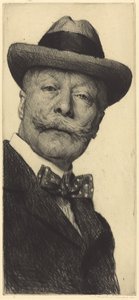
mortimer luddington menpes
1855 - 1938
Основные сведения
- Artistic Movement Or Style: Realism
- Artists Or Movements Influenced By This Artist:
- Impressionism
- Cubism
- Artists Who Influenced This Artist: ['Jean-François Millet']
- Date Of Birth: 1855
- Date Of Death: 1938
- Full Name: Jean Désiré Gustave Courbet
- Nationality: French
- Notable Artworks:
- The Painter’s Studio
- L'Atelier du Peintre
- Bonjour Monsieur Courbet
- Place Of Birth: Ornans, France