

 Предпросмотр
 Поделиться
 Поделиться
 Детали произведения

 Скачать
 Похожие работы
 Рентгенография
 Слайд-шоу
 Статистика
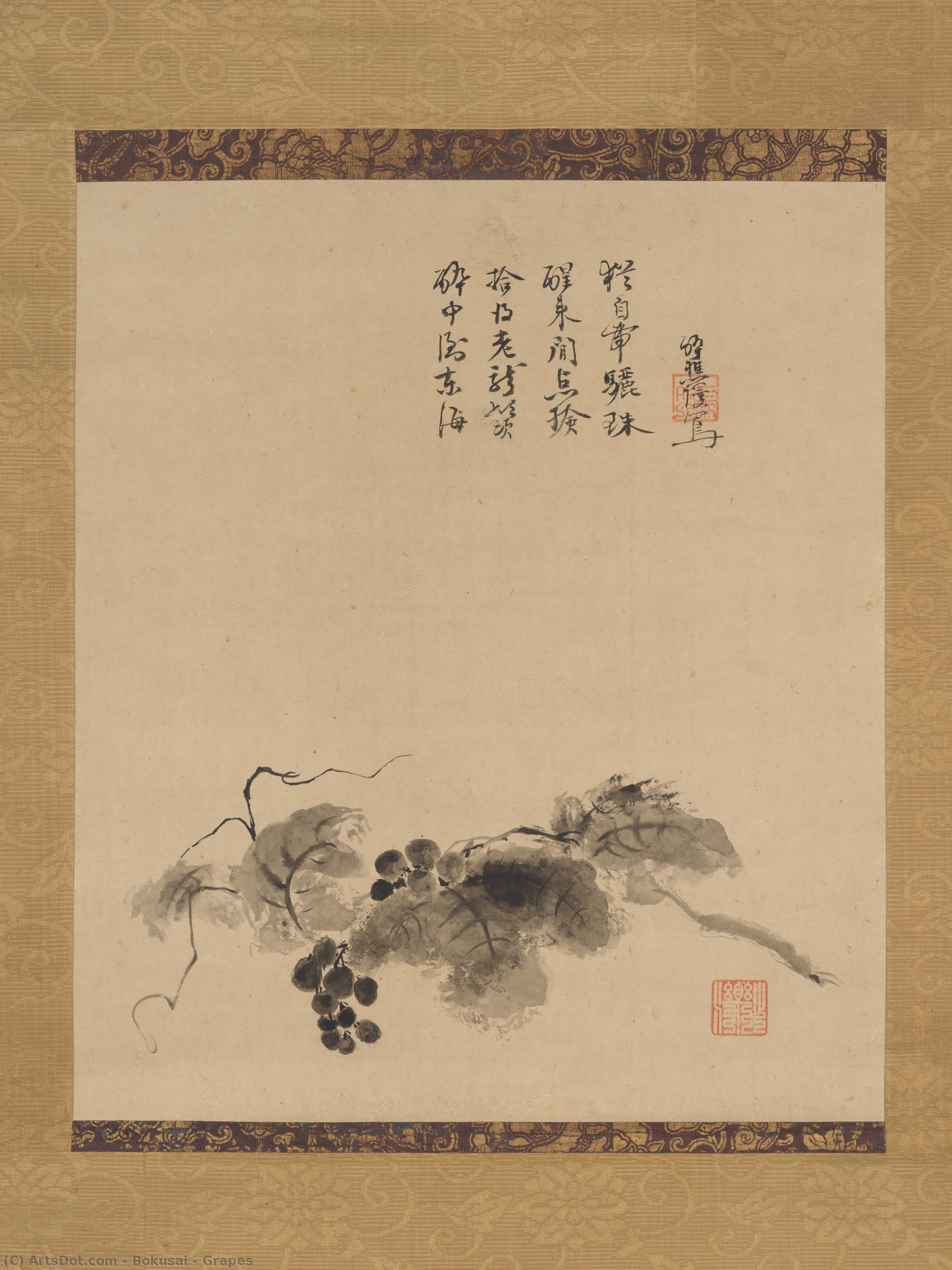
Grapes
 Ink
Ink- WallArt
- Zen Ink Painting
 1492
1492- Renaissance
 45.0 x 39.0 cm
 Читать далее
Приобретите цифровое изображение высокого разрешения в улучшенном качестве, которое значительно превосходит онлайн-превью.
Каждый файл тщательно подготавливается нашими специалистами с использованием передовых инструментов и экспертной ручной ретуши. Мы гарантируем исключительную четкость, точную цветопередачу и детальную проработку каждого изображения.
Финальный файл доставляется по электронной почте в течение 72 часов и оптимизирован для немедленного использования в профессиональной среде, при верстке и печати. Это тот же уровень качества, которому доверяют ведущие дизайнерские студии, издательства и галереи.
Цифровое изображение
Скачайте файл высокого разрешения для личного использования, печати и творческих проектов. ( Перейти к печати Купить картину ручной работы)
Включено в каждый заказ цифровых изображений
Гарантия экспертной цифровой доставки
Выбирая ArtsDot.com, вы получаете не просто изображение — вы приобретаете профессионально обработанное цифровое произведение искусства, созданное с безупречной точностью и под защитой гарантии качества. Вот всё, что автоматически входит в ваш заказ:

Мгновенная доставка по e-mail
Ваш цифровой файл в высоком разрешении будет отправлен вам по электронной почте в течение 72 часов после оформления заказа — и сразу станет доступен для использования.

Цифровой файл с ИИ-улучшением
Ваше произведение искусства проходит профессиональную оптимизацию с использованием передовых инструментов ИИ и ручной обработки, что гарантирует максимальную детализацию, четкость и точность цветопередачи.

Бессрочная бесплатная повторная доставка
Случайно удалили или потеряли файл? Не беспокойтесь — мы отправим его вам повторно в любое время и совершенно бесплатно.

Без импортных пошлин — навсегда
Наслаждайтесь вашим произведением искусства мгновенно без таможенных пошлин, сборов или затрат на доставку — цифровые загрузки всегда не облагаются налогом.

Гарантия точности цветопередачи
Мы гарантируем, что ваше цифровое изображение максимально точно передает оригинальные цвета благодаря использованию профессиональных инструментов и систем управления цветом.

Гарантия удовлетворенности 100 дней
Если вы не будете удовлетворены своим цифровым изображением, мы внесем правки или вернем 100% стоимости в течение 100 дней — без лишних вопросов.

100% Гарантия возврата средств
Не удовлетворены покупкой? Получите полный возврат средств в течение 100 дней после получения цифрового файла — без лишних вопросов.

Скидки на оптовые заказы
Купите 3 изображения, сэкономьте 10% — Купите 5, сэкономьте 15% — Купите 10+, сэкономьте 20%. Отличное решение для творческих проектов, галерей и агентств.
Похожие произведения





Биография художника
Hans Memling: A Master of Bruges
Hans Memling, a name synonymous with the serene beauty and meticulous detail of Early Netherlandish painting, was born around 1430 in Seligenstadt, near Frankfurt, Germany – a location that would profoundly shape his artistic journey. While often categorized as German, Memling’s formative years were spent immersed in the vibrant art scene of the Low Countries, specifically within the influential workshop of Rogier van der Weyden in Brussels. This apprenticeship proved pivotal, laying the foundation for his distinctive style and establishing him firmly within the tradition of Early Netherlandish painting, a period characterized by its profound realism, symbolic depth, and exquisite technical skill. His early life, marked by movement and exposure to diverse artistic approaches, ultimately culminated in his establishment as one of Bruges’s leading artists by 1465, a city that would become his lifelong home and the epicenter of his creative output.Early Influences and Artistic Development
Memling's artistic development was inextricably linked to Rogier van der Weyden, whose mastery of color, composition, and psychological realism served as a guiding light. However, Memling quickly distinguished himself through a more restrained palette and an emphasis on elegant detail – a characteristic that would become his hallmark. Unlike Van der Weyden’s often dramatic and emotionally charged scenes, Memling favored a quieter, more contemplative approach, imbuing his works with a sense of dignified serenity. His early commissions were largely devotional in nature, reflecting the prevailing religious piety of the era. Crucially, he didn't simply replicate existing styles; he absorbed and adapted them, adding his own subtle refinements and developing a unique visual language. The influence of Italian Renaissance art, particularly its emphasis on perspective and naturalism, can also be detected in some of his later works, demonstrating his willingness to embrace new artistic trends.The Workshops of Bruges: A Hub of Artistic Production
By 1465, Memling had settled in Bruges, a thriving commercial center and a major European art market. He quickly established a prolific workshop, employing numerous assistants and apprentices – a testament to his growing reputation and the demand for his work. This workshop system wasn’t merely a production line; it fostered an environment of artistic exchange and experimentation. Memling himself often oversaw key aspects of the process, ensuring quality control and injecting his distinctive stylistic elements into the finished pieces. The workshop's success was fueled by its ability to cater to a diverse clientele – wealthy merchants, noblemen, religious institutions, and even foreign dignitaries all commissioned works from Memling and his team. The sheer volume of output speaks volumes about his skill and the esteem in which he was held.Key Works and Artistic Characteristics
Memling’s oeuvre is characterized by a remarkable consistency in style and subject matter, particularly within his religious paintings. He frequently depicted scenes from the lives of Christ, Mary, and the saints, often employing a carefully orchestrated balance between realism and symbolism. Notable works include “The Last Judgment,” a monumental altarpiece created for the Florentine businessman Angelo Tani (later seized by pirates), and a series of devotional panels featuring Saint John the Baptist, Saint John the Evangelist, and various biblical figures. These paintings are distinguished by their exquisite detail – from the folds of clothing to the textures of fabrics – as well as their serene compositions and luminous color palettes. The use of gold leaf adds an ethereal quality to many of his works, enhancing their visual impact and conveying a sense of spiritual transcendence. The inclusion of donor portraits—depictions of patrons alongside religious figures—became increasingly common in Memling’s later work, reflecting the growing importance of secular patronage within the art world.Legacy and Historical Significance
Despite his immense talent and prolific output, Hans Memling's artistic legacy was largely overshadowed during his lifetime. He enjoyed considerable popularity in the 19th century, when his works were rediscovered and championed by Romantic art historians. Today, Memling is recognized as one of the most important figures in Early Netherlandish painting – a master of detail, serenity, and refined elegance. His paintings offer a profound glimpse into the religious beliefs, artistic conventions, and social dynamics of 15th-century Europe. His influence can be seen in subsequent generations of artists, particularly those who followed in the tradition of Rogier van der Weyden. Memling’s work continues to captivate viewers with its timeless beauty and enduring appeal, solidifying his place as a pivotal figure in the history of art.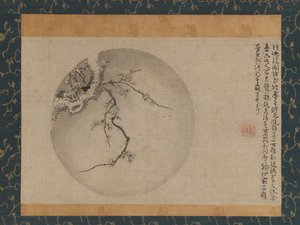
motsurin jōtō没倫紹等
1465 - 1522 , Japan
Основные сведения
- Artistic Movement Or Style: Early Netherlandish painting
- Artists Or Movements Influenced By This Artist: ['']
- Artists Who Influenced This Artist: ['Rogier van der Weyden']
- Date Of Birth: c. 1430
- Date Of Death: 1494
- Full Name: Hans Memling
- Nationality: German-Flemish
- Notable Artworks:
- The Last Judgement
- Scenes from Passion
- Adoration of Magi
- Annunciation
- Madonna & Child
- Place Of Birth: Seligenstadt, Germany