

 Предпросмотр
 Поделиться
 Поделиться
 Детали произведения

 Скачать
 Похожие работы
 Рентгенография
 Слайд-шоу
 Статистика
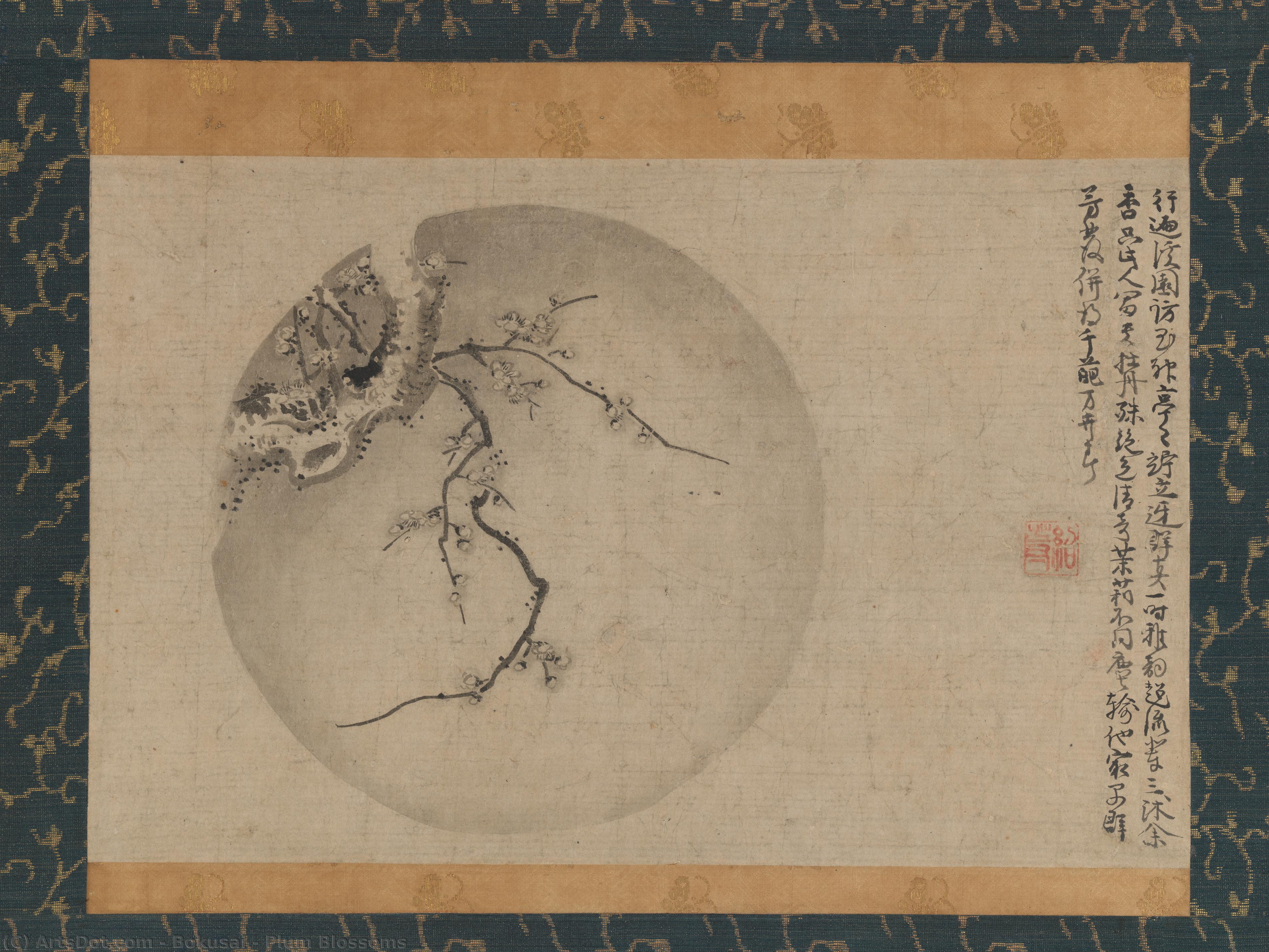
Plum Blossoms
 401
401 27.0cm x 42.0cm
 Читать далее
Масляная репродукция ручной работы
Картина маслом на холсте в выбранном вами размере и раме, написанная на заказ нашими художниками. ( Перейти к печати Перейти к цифровым изображениям)




































Выберите один из наших стандартных размеров, соответствующих оригинальным пропорциям произведения искусства.

Вы можете указать собственные размеры, чтобы картина идеально вписалась в выбранную раму или пространство. Если выбранный вами размер не соответствует пропорциям оригинала, мы либо обрежем полотно, либо расширим его за счет дополнительных элементов, написанных вручную. Цифровой макет будет отправлен вам на утверждение перед началом производства.
Обратите внимание, что предварительный просмотр на экране не отражает фактическую обрезку или расширение. Только макет точно покажет окончательную композицию.
Хотя доступны индивидуальные размеры, мы рекомендуем выбирать вариант из предопределенного списка, чтобы сохранить исходные пропорции.
После оформления заказа команда ArtsDot.com свяжется с клиентом по электронной почте для уточнения деталей и предоставит предварительный макет
Доставка по всему миру () за 3–4 недели вместо стандартных 5 недель. (12 Сентябрь). Без компромиссов в качестве.

Бесплатная экспресс-доставка по всему миру

Высококачественный льняной холст

Полное страхование доставки

Гарантия возмещения таможенных пошлин

Гарантия точного соответствия цветов

100-дневная политика возврата (только при обнаружении дефектов)

Гарантия возврата 100% средств

Предложение оптовых скидок
 Вариант со стеклом доступен только для размеров менее 110 см

Plum Blossoms
Техника репродукции
Размер репродукции
-


Итоговая стоимость
$ 263
Bokusai, also known as Motsurin Jōtō, was a Japanese painter and printmaker who lived during the 15th century. He was born in Kyoto and studied under the great master Sesshū Tōyō. Bokusai is renowned for his monochrome ink paintings, which are characterized by their expressive brushwork and subtle tonal variations.
Plum Blossoms: A Symbol of Spring
Plum blossoms have long been a symbol of the arrival of spring in Japan. They were a favored subject among scholar-gentleman painters in China, and when Chinese ink paintings of plums arrived in Japan their imagery became widespread within Zen circles.
Bokusai's Plum Blossoms (View painting) is a prime example of this tradition. The composition features a gnarled plum tree framed by a circle of ink wash, which may reflect the use of the circle in Zen painting and calligraphy as a visual representation of words from the text of the Heart Sutra, "form is void and void is form," and as a symbol of enlightenment.The Art of Ink Wash Painting
Ink wash painting, also known as sumi-e, is a traditional Japanese art form that involves using ink and water to create expressive brushstrokes. The technique requires a deep understanding of the properties of ink and water, as well as a mastery of brushwork.
Bokusai's Plum Blossoms showcases the artist's skill in this medium. The subtle tonal variations and expressive brushstrokes create a sense of movement and life in the painting, bringing the plum blossoms to life on the page.The Influence of Zen Buddhism
Zen Buddhism had a profound influence on Japanese art and culture, and this is evident in Bokusai's work. The use of the circle as a symbol of enlightenment reflects the influence of Zen philosophy, as does the gnarled plum tree, which can be seen as a metaphor for the twisted paths that lead to enlightenment.
Conclusion
Bokusai's Plum Blossoms is a masterful example of ink wash painting and a testament to the artist's skill and creativity. The painting's symbolism and expressive brushwork make it a rich and rewarding work of art, one that continues to captivate viewers today.
Discover more Japanese ink wash paintings:
Похожие произведения










Биография художника
Hans Memling: A Master of Bruges
Hans Memling, a name synonymous with the serene beauty and meticulous detail of Early Netherlandish painting, was born around 1430 in Seligenstadt, near Frankfurt, Germany – a location that would profoundly shape his artistic journey. While often categorized as German, Memling’s formative years were spent immersed in the vibrant art scene of the Low Countries, specifically within the influential workshop of Rogier van der Weyden in Brussels. This apprenticeship proved pivotal, laying the foundation for his distinctive style and establishing him firmly within the tradition of Early Netherlandish painting, a period characterized by its profound realism, symbolic depth, and exquisite technical skill. His early life, marked by movement and exposure to diverse artistic approaches, ultimately culminated in his establishment as one of Bruges’s leading artists by 1465, a city that would become his lifelong home and the epicenter of his creative output.Early Influences and Artistic Development
Memling's artistic development was inextricably linked to Rogier van der Weyden, whose mastery of color, composition, and psychological realism served as a guiding light. However, Memling quickly distinguished himself through a more restrained palette and an emphasis on elegant detail – a characteristic that would become his hallmark. Unlike Van der Weyden’s often dramatic and emotionally charged scenes, Memling favored a quieter, more contemplative approach, imbuing his works with a sense of dignified serenity. His early commissions were largely devotional in nature, reflecting the prevailing religious piety of the era. Crucially, he didn't simply replicate existing styles; he absorbed and adapted them, adding his own subtle refinements and developing a unique visual language. The influence of Italian Renaissance art, particularly its emphasis on perspective and naturalism, can also be detected in some of his later works, demonstrating his willingness to embrace new artistic trends.The Workshops of Bruges: A Hub of Artistic Production
By 1465, Memling had settled in Bruges, a thriving commercial center and a major European art market. He quickly established a prolific workshop, employing numerous assistants and apprentices – a testament to his growing reputation and the demand for his work. This workshop system wasn’t merely a production line; it fostered an environment of artistic exchange and experimentation. Memling himself often oversaw key aspects of the process, ensuring quality control and injecting his distinctive stylistic elements into the finished pieces. The workshop's success was fueled by its ability to cater to a diverse clientele – wealthy merchants, noblemen, religious institutions, and even foreign dignitaries all commissioned works from Memling and his team. The sheer volume of output speaks volumes about his skill and the esteem in which he was held.Key Works and Artistic Characteristics
Memling’s oeuvre is characterized by a remarkable consistency in style and subject matter, particularly within his religious paintings. He frequently depicted scenes from the lives of Christ, Mary, and the saints, often employing a carefully orchestrated balance between realism and symbolism. Notable works include “The Last Judgment,” a monumental altarpiece created for the Florentine businessman Angelo Tani (later seized by pirates), and a series of devotional panels featuring Saint John the Baptist, Saint John the Evangelist, and various biblical figures. These paintings are distinguished by their exquisite detail – from the folds of clothing to the textures of fabrics – as well as their serene compositions and luminous color palettes. The use of gold leaf adds an ethereal quality to many of his works, enhancing their visual impact and conveying a sense of spiritual transcendence. The inclusion of donor portraits—depictions of patrons alongside religious figures—became increasingly common in Memling’s later work, reflecting the growing importance of secular patronage within the art world.Legacy and Historical Significance
Despite his immense talent and prolific output, Hans Memling's artistic legacy was largely overshadowed during his lifetime. He enjoyed considerable popularity in the 19th century, when his works were rediscovered and championed by Romantic art historians. Today, Memling is recognized as one of the most important figures in Early Netherlandish painting – a master of detail, serenity, and refined elegance. His paintings offer a profound glimpse into the religious beliefs, artistic conventions, and social dynamics of 15th-century Europe. His influence can be seen in subsequent generations of artists, particularly those who followed in the tradition of Rogier van der Weyden. Memling’s work continues to captivate viewers with its timeless beauty and enduring appeal, solidifying his place as a pivotal figure in the history of art.
motsurin jōtō没倫紹等
1465 - 1522 , Japan
Основные сведения
- Artistic Movement Or Style: Early Netherlandish painting
- Artists Or Movements Influenced By This Artist: ['']
- Artists Who Influenced This Artist: ['Rogier van der Weyden']
- Date Of Birth: c. 1430
- Date Of Death: 1494
- Full Name: Hans Memling
- Nationality: German-Flemish
- Notable Artworks:
- The Last Judgement
- Scenes from Passion
- Adoration of Magi
- Annunciation
- Madonna & Child
- Place Of Birth: Seligenstadt, Germany