

 Предпросмотр
 Поделиться
 Поделиться
 Детали произведения

 Скачать
 Похожие работы
 Рентгенография
 Слайд-шоу
 Статистика
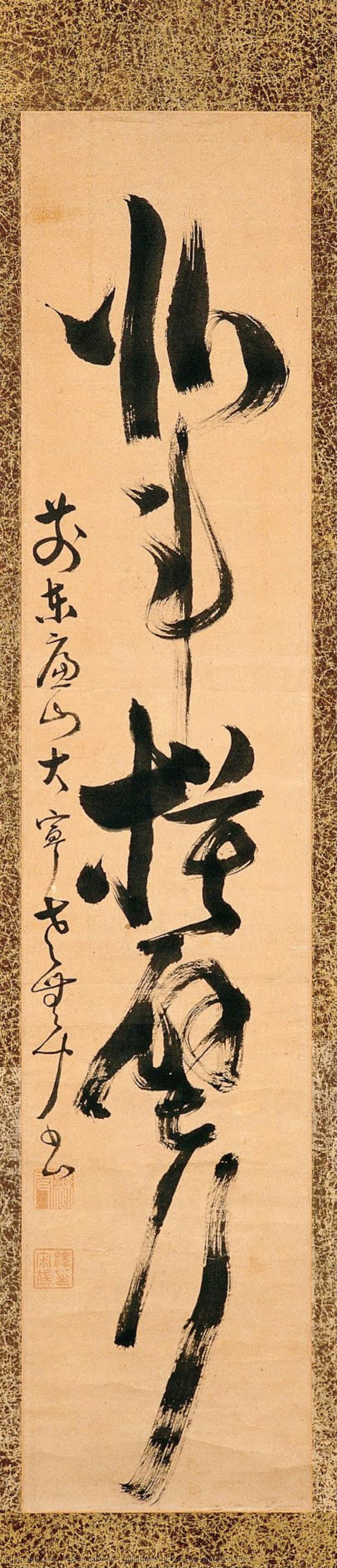
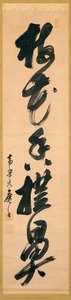
Calligraphy of Two Five-character Lines

 Читать далее
Приобретите цифровое изображение высокого разрешения в улучшенном качестве, которое значительно превосходит онлайн-превью.
Каждый файл тщательно подготавливается нашими специалистами с использованием передовых инструментов и экспертной ручной ретуши. Мы гарантируем исключительную четкость, точную цветопередачу и детальную проработку каждого изображения.
Финальный файл доставляется по электронной почте в течение 72 часов и оптимизирован для немедленного использования в профессиональной среде, при верстке и печати. Это тот же уровень качества, которому доверяют ведущие дизайнерские студии, издательства и галереи.
Цифровое изображение
Скачайте файл высокого разрешения для личного использования, печати и творческих проектов. ( Перейти к печати Купить картину ручной работы)
Включено в каждый заказ цифровых изображений
Гарантия экспертной цифровой доставки
Выбирая ArtsDot.com, вы получаете не просто изображение — вы приобретаете профессионально обработанное цифровое произведение искусства, созданное с безупречной точностью и под защитой гарантии качества. Вот всё, что автоматически входит в ваш заказ:

Мгновенная доставка по e-mail
Ваш цифровой файл в высоком разрешении будет отправлен вам по электронной почте в течение 72 часов после оформления заказа — и сразу станет доступен для использования.

Цифровой файл с ИИ-улучшением
Ваше произведение искусства проходит профессиональную оптимизацию с использованием передовых инструментов ИИ и ручной обработки, что гарантирует максимальную детализацию, четкость и точность цветопередачи.

Бессрочная бесплатная повторная доставка
Случайно удалили или потеряли файл? Не беспокойтесь — мы отправим его вам повторно в любое время и совершенно бесплатно.

Без импортных пошлин — навсегда
Наслаждайтесь вашим произведением искусства мгновенно без таможенных пошлин, сборов или затрат на доставку — цифровые загрузки всегда не облагаются налогом.

Гарантия точности цветопередачи
Мы гарантируем, что ваше цифровое изображение максимально точно передает оригинальные цвета благодаря использованию профессиональных инструментов и систем управления цветом.

Гарантия удовлетворенности 100 дней
Если вы не будете удовлетворены своим цифровым изображением, мы внесем правки или вернем 100% стоимости в течение 100 дней — без лишних вопросов.

100% Гарантия возврата средств
Не удовлетворены покупкой? Получите полный возврат средств в течение 100 дней после получения цифрового файла — без лишних вопросов.

Скидки на оптовые заказы
Купите 3 изображения, сэкономьте 10% — Купите 5, сэкономьте 15% — Купите 10+, сэкономьте 20%. Отличное решение для творческих проектов, галерей и агентств.
Похожие произведения





Биография художника
Mumon Jakutan: The Silent Master of Two Lines
The world of Japanese calligraphy, particularly during the mid-Edo period (1683-1757), is a realm of profound discipline and breathtaking artistry. Within this landscape stands Mumon Jakutan, a Sōtō Zen monk whose legacy rests primarily on his iconic “Two Five-Character Lines” – a deceptively simple yet profoundly resonant composition that continues to captivate viewers centuries later. More than just a calligrapher, Jakutan was a master of conveying the essence of Zen philosophy through brush and ink, embodying a quiet intensity and a deep connection to the natural world.
Born in Kyoto, Jakutan’s early life remains somewhat shrouded in mystery. He initially trained as a painter before dedicating himself fully to calligraphy under Mutoku Ryōgo, inheriting his dharma (Buddhist teaching) in 1724. This lineage marked him as part of the influential Kano school, renowned for its meticulous technique and its role in visualizing the aesthetic principles of the Tokugawa shogunate. However, Jakutan distinguished himself not through elaborate displays of skill, but through a deliberate restraint – a philosophy that permeated every aspect of his work.
Jakutan’s primary residence was at Kakudenji Temple in Ōmi Province, a location that profoundly shaped his artistic sensibility. The temple's setting, nestled amongst the mountains and forests, instilled within him a deep appreciation for nature’s rhythms and its inherent beauty. This connection is powerfully reflected in his calligraphy; it isn’t merely an exercise in technical proficiency but rather a meditation on the interconnectedness of all things. His work often evokes a sense of stillness, inviting contemplation and a quiet understanding of the present moment – core tenets of Zen Buddhism.
The “Two Five-Character Lines”: A Study in Simplicity
Jakutan’s most famous creation, the “Two Five-Character Lines,” exemplifies this philosophy. The composition consists of two elegant lines, each containing five characters drawn in a precise and understated manner. Initially appearing simple, the work is layered with meaning. The characters themselves are chosen carefully – often reflecting themes of impermanence, emptiness, and the interconnectedness of existence. The deliberate spacing between the lines creates a visual dialogue, suggesting a dynamic tension rather than static separation.
What makes this piece so compelling isn’t its complexity but its profound simplicity. Jakutan masterfully uses negative space to enhance the impact of each stroke. The ink flows effortlessly across the paper, conveying a sense of effortless grace and control. The lines themselves are not forceful or assertive; they possess a subtle authority that commands attention without demanding it. It's a testament to his understanding that true beauty often resides in restraint and quiet contemplation.
Art historians believe the phrase represented by these lines, “南辰驚起漸” (Nanchin Kyōki Zen), translates roughly to "The Southern Stars Suddenly Rise Gradually." This evocative phrasing perfectly encapsulates Jakutan’s artistic philosophy – a gradual awakening through observation and understanding. The rising stars symbolize enlightenment, while the ‘gradually’ emphasizes the patient, mindful process of achieving it.
Training and Influence: A Legacy Within the Kano School
Jakutan's influence extended beyond his own creations. He served as a teacher at Kakudenji Temple, imparting his knowledge to subsequent generations of calligraphers. While he didn’t establish a formal studio in the same way as some other members of the Kano school, his teachings profoundly shaped the artistic development of those who studied under him. His emphasis on simplicity, naturalness, and the integration of Zen philosophy became a hallmark of his students' work.
Jakutan was also deeply connected to the broader artistic landscape of Edo-period Japan. He collaborated with other artists, including painters, and contributed to the decoration of temples and shrines. His work reflects influences from Chinese calligraphy and painting traditions, particularly in its use of brushwork and composition, but he always filtered these influences through his own unique sensibility.
Historical Significance: A Reflection of Zen Aesthetics
Mumon Jakutan’s legacy is not simply as a skilled calligrapher; it's as a profound embodiment of Zen aesthetics. His “Two Five-Character Lines” have become an iconic representation of Japanese art and philosophy, admired for their beauty, simplicity, and depth of meaning. They serve as a reminder that true artistry lies not in ostentatious displays of skill but in the ability to convey complex ideas through subtle gestures and quiet contemplation.
His work continues to resonate with viewers today, offering a timeless meditation on the nature of existence and the pursuit of enlightenment. Jakutan’s legacy endures as a testament to the power of art to inspire reflection, promote understanding, and connect us to something larger than ourselves.

mumon jakutan
1683 - 1757 , Japan
Основные сведения
- Artistic Movement Or Style: Sōtō Zen calligraphy
- Date Of Death: 1757
- Full Name: Mumon Jakutan
- Nationality: Japanese
- Notable Artworks: ['Two Five-Character Lines']
- Place Of Birth: Ōmi Province, Japan