

 Предпросмотр
 Поделиться
 Поделиться
 Детали произведения

 Скачать
 Похожие работы
 Рентгенография
 Слайд-шоу
 Статистика
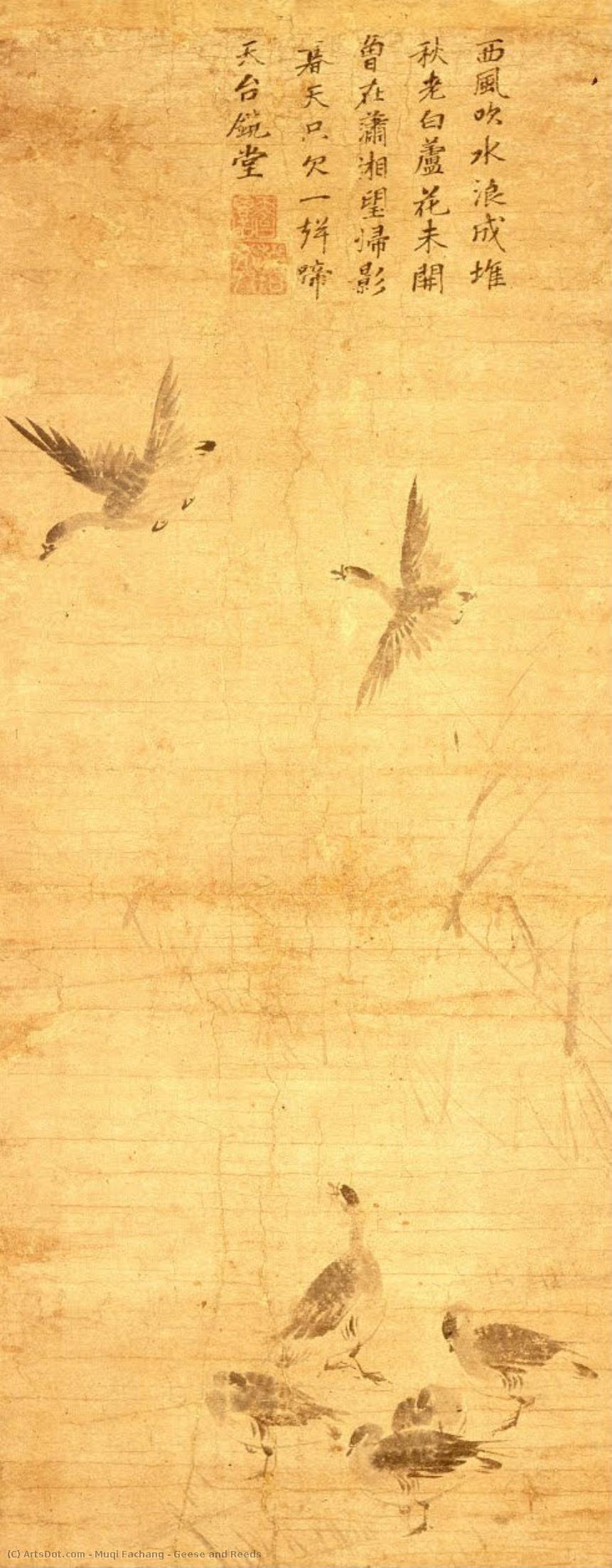
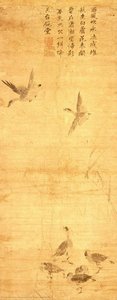
Geese and Reeds
 70.0 x 27.0 cm
 Читать далее
Масляная репродукция ручной работы
Картина маслом на холсте в выбранном вами размере и раме, написанная на заказ нашими художниками. ( Перейти к печати Перейти к цифровым изображениям)




































Выберите один из наших стандартных размеров, соответствующих оригинальным пропорциям произведения искусства.

Вы можете указать собственные размеры, чтобы картина идеально вписалась в выбранную раму или пространство. Если выбранный вами размер не соответствует пропорциям оригинала, мы либо обрежем полотно, либо расширим его за счет дополнительных элементов, написанных вручную. Цифровой макет будет отправлен вам на утверждение перед началом производства.
Обратите внимание, что предварительный просмотр на экране не отражает фактическую обрезку или расширение. Только макет точно покажет окончательную композицию.
Хотя доступны индивидуальные размеры, мы рекомендуем выбирать вариант из предопределенного списка, чтобы сохранить исходные пропорции.
После оформления заказа команда ArtsDot.com свяжется с клиентом по электронной почте для уточнения деталей и предоставит предварительный макет
Доставка по всему миру () за 3–4 недели вместо стандартных 5 недель. (10 Сентябрь). Без компромиссов в качестве.

Бесплатная экспресс-доставка по всему миру

Высококачественный льняной холст

Полное страхование доставки

Гарантия возмещения таможенных пошлин

Гарантия точного соответствия цветов

100-дневная политика возврата (только при обнаружении дефектов)

Гарантия возврата 100% средств

Предложение оптовых скидок
 Вариант со стеклом доступен только для размеров менее 110 см

Geese and Reeds
Техника репродукции
Размер репродукции
-


Итоговая стоимость
$ 263
Похожие произведения
Биография художника
The Ethereal Ink of Muqi Fachang
In the quiet, mist-shrouded landscapes of the thirteenth century, a monk emerged from the Sichuan province whose brushstrokes would forever alter the course of East Asian aesthetics. Muqi Fachang, known to history by his art name Muqi or Muxi, was not merely a painter but a spiritual conduit, translating the profound silences of Chan Buddhism into the language of ink and paper. While much of his personal biography remains veiled in the shadows of monastic anonymity, his presence is felt through every spontaneous splash of ink that captures the fleeting essence of existence. Born toward the end of the Southern Song dynasty, Muqi lived during a period of immense cultural transition, and his work became a bridge between the structured traditions of the past and a new, intuitive way of seeing the world.
The foundations of Muqi’s mastery were laid under the guidance of the esteemed Chan master Liang Kai. This apprenticeship was crucial, as it introduced him to a style that prioritized the spirit over the literal form. Under the influence of such mentors and the spiritual atmosphere of temples like Liutong, Mucept developed a technique rooted in yunshuo—the study of clouds and water. This approach eschewed the rigid, meticulous detailing found in academic court painting, opting instead for a method where ink blots and broad, sweeping strokes conveyed the dynamic energy of nature. To look upon a Muqi painting is to witness a deliberate rejection of the superficial; he sought the qi, or life force, that resides within the simplest of subjects.
A Legacy Written in Water and Mist
Muqi’s artistic repertoire was remarkably diverse, yet it remained anchored by a singular, meditative focus. He moved effortlessly between the sacred and the secular, finding profound meaning in both the iconographic and the everyday. His works often featured:
- Sacred Iconography: The famous Daitokuji triptych, featuring a white-robed Guanyin flanked by monkeys and a crane, exemplifies his ability to infuse religious figures with a sense of naturalistic grace.
- Natural Simplicity: His legendary Six Persimmons remains perhaps the most iconic example of Chan painting, where the weight, texture, and subtle translucency of the fruit are rendered with an almost miraculous economy of line.
- Dynamic Wildlife: Beyond the spiritual, he captured the raw vitality of the natural world through depictions of tigers, geese, and reeds, using varying tones of ink to suggest movement and atmosphere.
The historical significance of Muqi Fachang extends far beyond the borders of China. As political shifts forced him toward the capital of Hangzhou, his influence traveled across the sea to Japan. There, his "splashed-ink" style became a cornerstone for Japanese Zen monk-painters, profoundly shaping the aesthetic of Sumi-e. His ability to find the infinite within the infinitesimal—to see the entire universe in a single falling leaf or a ripening fruit—provided a visual vocabulary for Zen practitioners for centuries. Even today, Muqi stands as a titan of the Chan tradition, reminding us that true beauty lies not in what is added, but in what is left unsaid.
muqi fachang
1210 - 1269 , People's Republic of China
Основные сведения
- Artistic Movement Or Style: Chan painting
- Artists Or Movements Influenced By This Artist: ['Japanese ink painting']
- Artists Who Influenced This Artist: ['Liang Kai']
- Date Of Death: 1269
- Full Name: Muqi Fachang
- Nationality: Chinese
- Notable Artworks:
- Six Persimmons
- Daitokuji Triptych
- Place Of Birth: Sichuan province, China