

 Предпросмотр
 Поделиться
 Поделиться
 Детали произведения

 Скачать
 Похожие работы
 Рентгенография
 Слайд-шоу
 Статистика
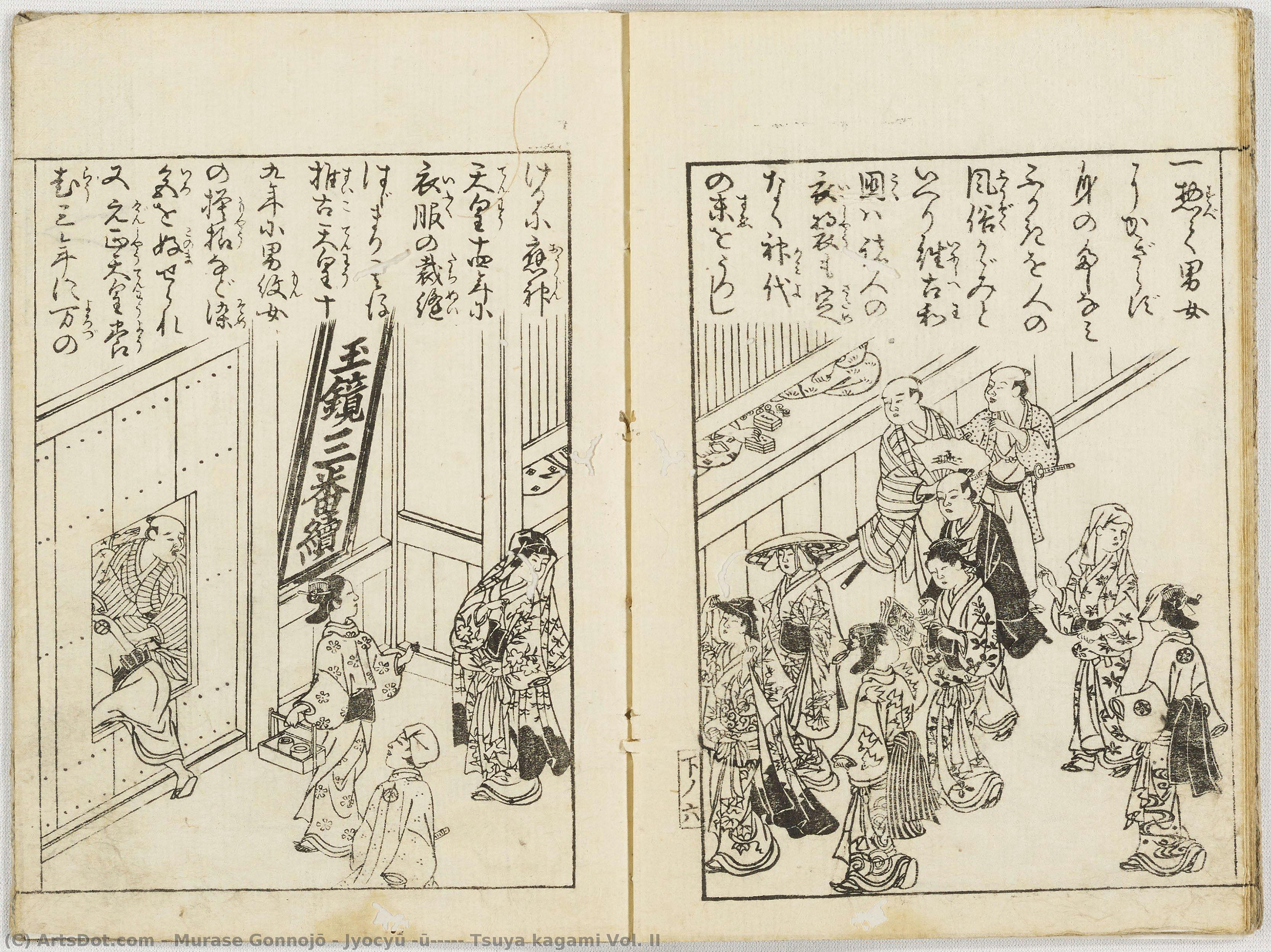
Jyocyū Fūhzoku Tsuya kagami Vol. II
 23.0 x 16.0 cm
 Kyoto Prefectural Library and Archives
 Читать далее
Масляная репродукция ручной работы
Картина маслом на холсте в выбранном вами размере и раме, написанная на заказ нашими художниками. ( Перейти к печати Перейти к цифровым изображениям)




































Выберите один из наших стандартных размеров, соответствующих оригинальным пропорциям произведения искусства.

Вы можете указать собственные размеры, чтобы картина идеально вписалась в выбранную раму или пространство. Если выбранный вами размер не соответствует пропорциям оригинала, мы либо обрежем полотно, либо расширим его за счет дополнительных элементов, написанных вручную. Цифровой макет будет отправлен вам на утверждение перед началом производства.
Обратите внимание, что предварительный просмотр на экране не отражает фактическую обрезку или расширение. Только макет точно покажет окончательную композицию.
Хотя доступны индивидуальные размеры, мы рекомендуем выбирать вариант из предопределенного списка, чтобы сохранить исходные пропорции.
После оформления заказа команда ArtsDot.com свяжется с клиентом по электронной почте для уточнения деталей и предоставит предварительный макет
Доставка по всему миру () за 3–4 недели вместо стандартных 5 недель. (13 Сентябрь). Без компромиссов в качестве.

Бесплатная экспресс-доставка по всему миру

Высококачественный льняной холст

Полное страхование доставки

Гарантия возмещения таможенных пошлин

Гарантия точного соответствия цветов

100-дневная политика возврата (только при обнаружении дефектов)

Гарантия возврата 100% средств

Предложение оптовых скидок
 Вариант со стеклом доступен только для размеров менее 110 см

Jyocyū Fūhzoku Tsuya kagami Vol. II
Техника репродукции
Размер репродукции
-


Итоговая стоимость
$ 263
Похожие произведения









Биография художника
The Soul of the Edo Period: The Life and Art of Murase Gonnojō
In the vibrant, bustling heart of Japan’s Edo period, a time of profound cultural flourishing and urban refinement, there emerged a voice both literary and visual that captured the ephemeral beauty of daily life. Murase Gonnojō, also known by his artistic moniker Ejima Kiseki, was a master of nuance whose work bridged the gap between the written word and the painted image. Born in the historic city of Kyoto around 1666, Gonnojō lived through an era where the rise of the merchant class fueled a new appetite for art that celebrated the pleasures, landscapes, and social intricacies of Japanese society. His life, spanning from the late seventeenth century to his passing in 1735, was deeply embedded in the artistic currents of Kyoto, a city that served as the cultural soul of Japan.
The artistry of Murase Gonnojō is most profoundly felt through his mastery of woodblock prints and ink painting. His work does not merely depict scenes; it breathes life into them. Through the delicate application of ink and the precise carving of woodblocks, he captured the grace of Japanese women, the serene majesty of sweeping landscapes, and the intimate, often fleeting moments of everyday existence. There is a rhythmic quality to his compositions, a sense of movement that suggests the rustle of silk or the gentle breeze through a bamboo grove. His ability to weave narrative depth into visual form allowed him to explore themes of fūzoku—the customs and manners of the people—with an intimacy that resonated deeply with his contemporaries.
A Legacy Carved in Wood and Ink
The technical brilliance of Gonnojō’s work is perhaps best exemplified in his celebrated series, which remain vital treasures in collections such as the Kyoto Prefectural Library and Archives. Notable works include:
- Jyocyū Fūhzoku Tsuya Kagami (Vol. II): A masterful woodblock print that serves as a reflective mirror of contemporary customs and elegance.
- Onna Fūhzoku Tama Kagami (Vol. I): An exquisite exploration of feminine beauty and the social graces of the era.
While his primary medium was the traditional woodblock, his spirit prefigured the expressive freedom found in later movements. Though often associated with the established traditions of his time, his emphasis on the artist's unique vision echoes the sentiments of the sōsaku-hanga movement, where the creator acts as the sole architect of self-expression. This dedication to a personal aesthetic allowed him to transcend mere documentation, turning his prints into poetic meditations on the Japanese identity.
Influence and Enduring Significance
The ripples of Murase Gonnojural’s influence extended far beyond his own lifetime, touching the hands of the masters who followed him. The stylistic foundations he laid—the delicate balance of line, the evocative use of negative space, and the celebration of cultural motifs—provided a fertile ground for legendary artists such as Suzuki Harunobu and Utagawa Kuniyoshi. His ability to elevate the "floating world" into a realm of high art helped shape the trajectory of Japanese printmaking for generations.
Today, the legacy of Murase Gonnojō stands as a testament to the enduring power of the Edo period's aesthetic spirit. His works are more than historical artifacts; they are windows into a lost world of refinement and grace. For art lovers and historians alike, exploring his oeuvre is an invitation to rediscover the delicate textures of Japanese history, preserved forever in the timeless elegance of his ink and wood.
murase gonnojō
1666 - 1735 , Japan
Основные сведения
- Artistic Movement Or Style: Woodblock prints and ink painting
- Artists Or Movements Influenced By This Artist:
- Suzuki Harunobu
- Utagawa Kuniyoshi
- Date Of Birth: 1666
- Date Of Death: July 20, 1735
- Full Name: Murase Gonnojō
- Nationality: Japanese
- Notable Artworks:
- Jyocyū fūhzoku tsuya kagami vol. ii
- Onna fūhzoku tama kagami vol. i
- Place Of Birth: Kyoto, Japan