

 Предпросмотр
 Поделиться
 Поделиться
 Детали произведения

 Скачать
 Похожие работы
 Рентгенография
 Слайд-шоу
 Статистика
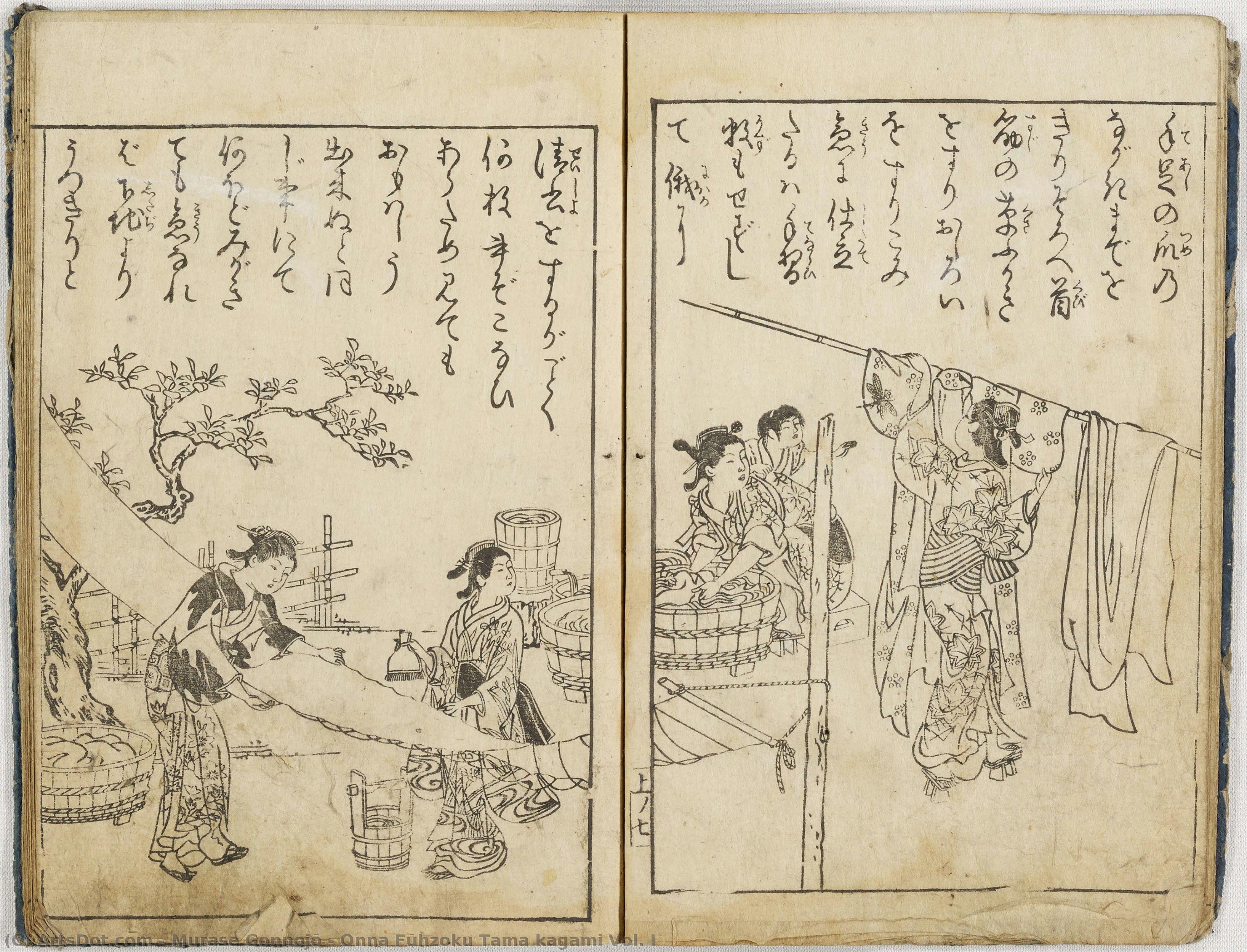
Onna Fūhzoku Tama kagami Vol. I
 Woodblock Print
- Ukiyo-e
 Early Modern
 22.0 x 15.0 cm
 Kyoto Prefectural Library and Archives
 Читать далее
Жикле / Арт-принт
Печать (жикле) или холст музейного качества с быстрыми сроками изготовления и широким выбором вариантов отделки. ( Купить картину ручной работы Перейти к цифровым изображениям)




P118B $10

P118H $10

P118W $10

P438Z $10

P508JH $12

P508YH $12

P805H $10

P805Z $10

P919BZ $10

P919G $10

P919XJ $10

P959ZH $10

P968JZ $12

W106C $8

W218G $10

W218JH $8

W218Y $10

W307PJ $10

W316G $10

W316PJ $8

W316Y $10

W398PJ $8

W4111J $10

W500HY $15

W500JH $15

W692G $12

W849H $8

W940BG $15

W953PJ $8




Выберите один из наших стандартных размеров, соответствующих оригинальным пропорциям произведения искусства.

Вы можете указать свои собственные размеры, чтобы репродукция идеально подошла под конкретную раму или пространство. Если выбранный вами размер не будет соответствовать пропорциям оригинала, мы либо обрежем произведение, либо дополним изображение зеркальным отражением краев или однотонной заливкой. Перед началом производства вам будет отправлен цифровой макет для утверждения.
Пожалуйста, обратите внимание, что предварительный просмотр на экране не отображает фактическую обрезку или расширение изображения. Только макет точно покажет финальную композицию.
Несмотря на возможность заказа индивидуальных размеров, мы рекомендуем выбирать размер из предопределенного списка, чтобы сохранить оригинальные пропорции.
Доставка по всему миру () за 2 недели вместо стандартных 4/5 недель. (13 Сентябрь)

Бесплатная экспресс-доставка по всему миру

Высококачественный льняной холст

Полное страхование доставки

Гарантия возмещения таможенных пошлин

Гарантия точного соответствия цветов

100-дневная политика возврата (только при обнаружении дефектов)

Гарантия возврата 100% средств

Предложение оптовых скидок
 Вариант со стеклом доступен только для размеров менее 110 см

Onna Fūhzoku Tama kagami Vol. I
Жикле / Арт-принт
Размер репродукции
-


Итоговая стоимость
$ 62
A Glimpse into the Edo Period: The Intimacy of Onna Fūhzoku Tama kagami Vol. I
To open the pages of Murase Gonnojō’s Onna Fūhzoku Tama kagami Vol. I is to step through a delicate veil into the heart of Japan’s Edo period. This exquisite woodblock print collection serves as more than just an artistic endeavor; it is a visual diary of a bygone era, capturing the quiet, rhythmic pulses of daily life with unparalleled grace. The artwork presents a series of vignettes where figures are caught in moments of profound simplicity—some seated in contemplative stillness, others engaged in the communal joy of eating and drinking. Through the masterful use of line and composition, Gonnojō invites the viewer to witness the subtle elegance of Japanese customs, transforming mundane activities into scenes of timeless beauty.
The technical brilliance of this work lies in the traditional woodblock printing technique, a medium that allowed for both sharp, decisive contours and soft, atmospheric textures. Each print within this volume reflects the artist's ability to manipulate ink and paper to create depth and narrative tension. The interplay of light and shadow, even within the constraints of monochromatic or limited-palette printing, evokes a sense of warmth and domesticity. For the discerning collector or interior designer, these prints offer a sophisticated textural element, bringing a sense of historical weight and organic tranquility to any curated space.
Cultural Resonance and Artistic Legacy
Beyond its aesthetic charm, Onna Fūhzoku Tama kagami Vol. I carries deep symbolic resonance, acting as a mirror—as suggested by the word "kagami" (mirror) in its title—to the social fabric of 18th-century Japan. The artist, also known as Ejima Kiseki, was a master of capturing the nuances of human interaction and the aesthetic values of his time. The inclusion of natural elements, such as carefully placed potted plants, serves to ground the human subjects within a harmonious relationship with nature, a cornerstone of Japanese artistic philosophy. This connection between the domestic sphere and the natural world creates an emotional resonance that is both soothing and intellectually stimulating.
For those seeking to adorn their homes with art that tells a story, a high-quality reproduction of this masterpiece offers a unique opportunity. It provides a focal point that sparks conversation, inviting guests to linger over the intricate details of the figures' postures and the delicate calligraphy that frames the scenes. Whether integrated into a minimalist modern gallery or a richly textured classical study, the presence of Murase Gonnojō’s work brings an air of scholarly sophistication and a profound sense of peace, making it an incomparable choice for anyone looking to infuse their environment with the soulful legacy of Japanese history.
Похожие произведения
Биография художника
The Soul of the Edo Period: The Life and Art of Murase Gonnojō
In the vibrant, bustling heart of Japan’s Edo period, a time of profound cultural flourishing and urban refinement, there emerged a voice both literary and visual that captured the ephemeral beauty of daily life. Murase Gonnojō, also known by his artistic moniker Ejima Kiseki, was a master of nuance whose work bridged the gap between the written word and the painted image. Born in the historic city of Kyoto around 1666, Gonnojō lived through an era where the rise of the merchant class fueled a new appetite for art that celebrated the pleasures, landscapes, and social intricacies of Japanese society. His life, spanning from the late seventeenth century to his passing in 1735, was deeply embedded in the artistic currents of Kyoto, a city that served as the cultural soul of Japan.
The artistry of Murase Gonnojō is most profoundly felt through his mastery of woodblock prints and ink painting. His work does not merely depict scenes; it breathes life into them. Through the delicate application of ink and the precise carving of woodblocks, he captured the grace of Japanese women, the serene majesty of sweeping landscapes, and the intimate, often fleeting moments of everyday existence. There is a rhythmic quality to his compositions, a sense of movement that suggests the rustle of silk or the gentle breeze through a bamboo grove. His ability to weave narrative depth into visual form allowed him to explore themes of fūzoku—the customs and manners of the people—with an intimacy that resonated deeply with his contemporaries.
A Legacy Carved in Wood and Ink
The technical brilliance of Gonnojō’s work is perhaps best exemplified in his celebrated series, which remain vital treasures in collections such as the Kyoto Prefectural Library and Archives. Notable works include:
- Jyocyū Fūhzoku Tsuya Kagami (Vol. II): A masterful woodblock print that serves as a reflective mirror of contemporary customs and elegance.
- Onna Fūhzoku Tama Kagami (Vol. I): An exquisite exploration of feminine beauty and the social graces of the era.
While his primary medium was the traditional woodblock, his spirit prefigured the expressive freedom found in later movements. Though often associated with the established traditions of his time, his emphasis on the artist's unique vision echoes the sentiments of the sōsaku-hanga movement, where the creator acts as the sole architect of self-expression. This dedication to a personal aesthetic allowed him to transcend mere documentation, turning his prints into poetic meditations on the Japanese identity.
Influence and Enduring Significance
The ripples of Murase Gonnojural’s influence extended far beyond his own lifetime, touching the hands of the masters who followed him. The stylistic foundations he laid—the delicate balance of line, the evocative use of negative space, and the celebration of cultural motifs—provided a fertile ground for legendary artists such as Suzuki Harunobu and Utagawa Kuniyoshi. His ability to elevate the "floating world" into a realm of high art helped shape the trajectory of Japanese printmaking for generations.
Today, the legacy of Murase Gonnojō stands as a testament to the enduring power of the Edo period's aesthetic spirit. His works are more than historical artifacts; they are windows into a lost world of refinement and grace. For art lovers and historians alike, exploring his oeuvre is an invitation to rediscover the delicate textures of Japanese history, preserved forever in the timeless elegance of his ink and wood.
murase gonnojō
1666 - 1735 , Japan
Основные сведения
- Artistic Movement Or Style: Woodblock prints and ink painting
- Artists Or Movements Influenced By This Artist:
- Suzuki Harunobu
- Utagawa Kuniyoshi
- Date Of Birth: 1666
- Date Of Death: July 20, 1735
- Full Name: Murase Gonnojō
- Nationality: Japanese
- Notable Artworks:
- Jyocyū fūhzoku tsuya kagami vol. ii
- Onna fūhzoku tama kagami vol. i
- Place Of Birth: Kyoto, Japan
Похожие статьи
Tsukioka Yoshitoshi: A Master of Ukiyo-e's Final Flourish – Narrative, Innovation, and the Meiji Transition
Explore the life & art of Tsukioka Yoshitoshi, the last great master of ukiyo-e woodblock printing. Discover his dramatic warrior prints, innovative series like 'One Hundred Aspects of the Moon,' and legacy reflecting Japan's Meiji transition.
The Enduring Legacy of Woodblock Printmaking: Technique, History & Artistic Expression
Explore the rich history of woodblock printmaking – from ancient techniques to Ukiyo-e masterpieces. Discover expert insights on collecting, preserving & appreciating this enduring art form.
Utagawa Kuniyoshi: A Master of Japanese Ukiyo-e – Narrative Innovation & the Fusion of Tradition with Popular Culture
Explore the captivating world of Utagawa Kuniyoshi, a master of Japanese ukiyo-e woodblock prints. Discover his innovative warrior scenes, vibrant landscapes & lasting legacy in 19th-century art history.

Топ-25 шедевров Кацусики Хокусая: Искусство Японии для вашего интерьера
Погрузитесь в мир гения Кацусики Хокусая! 25 легендарных гравюр укиё-э, включая "Великую волну". История искусства Японии и вдохновение для вашего интерьера. Репродукции высокого качества на ArtsDot.com.

Giclée Prints: Archival Quality & Aesthetic Nuances for the Discerning Collector
Explore the world of giclée prints with ArtsDot. Learn about archival quality, aesthetic nuances & investment potential. Expert guidance for discerning art collectors seeking museum-quality reproductions and lasting value.