

 Предпросмотр
 Поделиться
 Поделиться
 Детали произведения

 Скачать
 Похожие работы
 Рентгенография
 Слайд-шоу
 Статистика
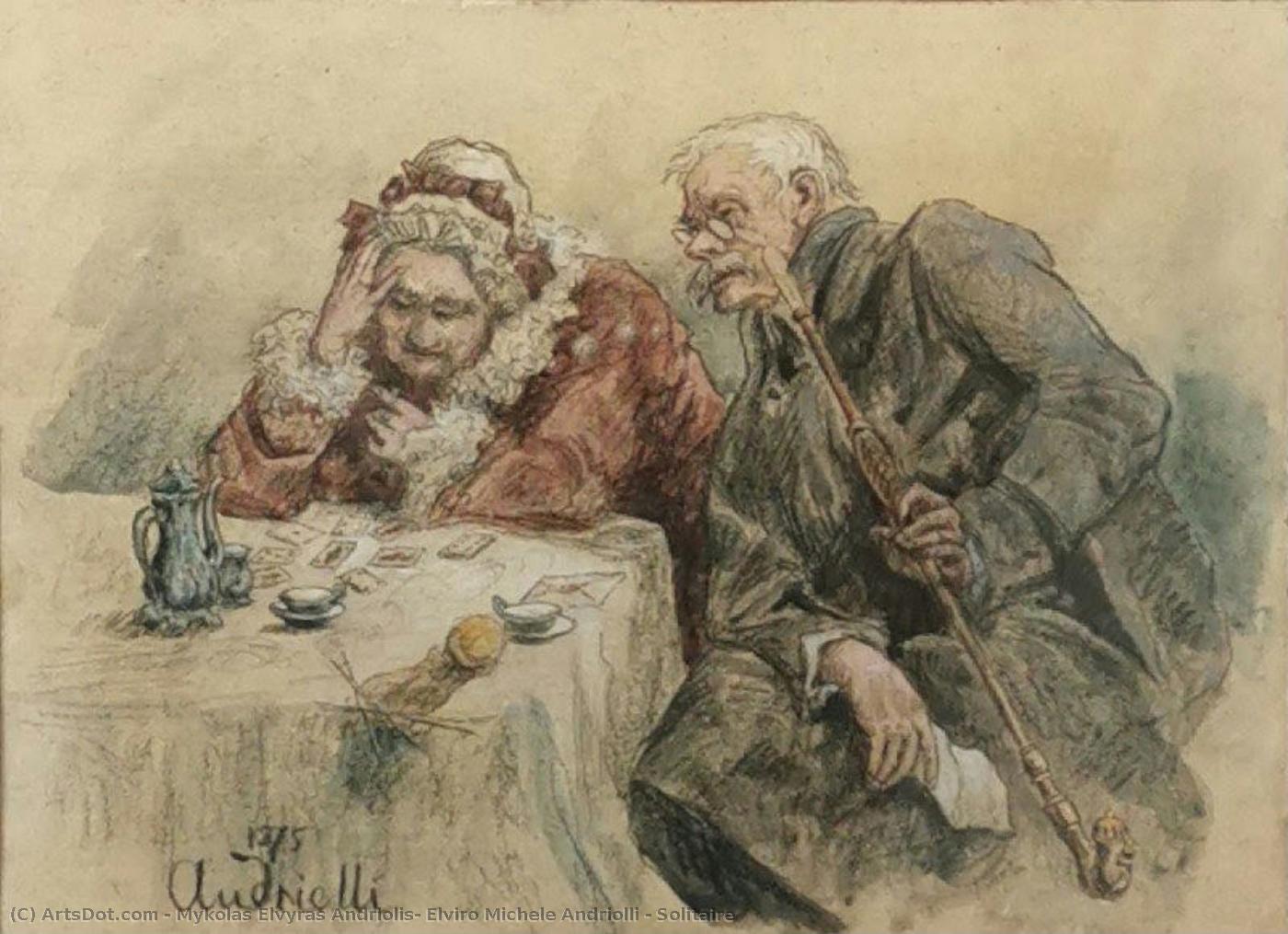
Solitaire
 1875
1875 21.0 x 29.0 cm
 Lithuanian Art Fund
 Читать далее
Жикле / Арт-принт
Печать (жикле) или холст музейного качества с быстрыми сроками изготовления и широким выбором вариантов отделки. ( Купить картину ручной работы Перейти к цифровым изображениям)




































Выберите один из наших стандартных размеров, соответствующих оригинальным пропорциям произведения искусства.

Вы можете указать свои собственные размеры, чтобы репродукция идеально подошла под конкретную раму или пространство. Если выбранный вами размер не будет соответствовать пропорциям оригинала, мы либо обрежем произведение, либо дополним изображение зеркальным отражением краев или однотонной заливкой. Перед началом производства вам будет отправлен цифровой макет для утверждения.
Пожалуйста, обратите внимание, что предварительный просмотр на экране не отображает фактическую обрезку или расширение изображения. Только макет точно покажет финальную композицию.
Несмотря на возможность заказа индивидуальных размеров, мы рекомендуем выбирать размер из предопределенного списка, чтобы сохранить оригинальные пропорции.
Доставка по всему миру () за 2 недели вместо стандартных 4/5 недель. (13 Сентябрь)

Бесплатная экспресс-доставка по всему миру

Высококачественный льняной холст

Полное страхование доставки

Гарантия возмещения таможенных пошлин

Гарантия точного соответствия цветов

100-дневная политика возврата (только при обнаружении дефектов)

Гарантия возврата 100% средств

Предложение оптовых скидок
 Вариант со стеклом доступен только для размеров менее 110 см

Solitaire
Жикле / Арт-принт
Размер репродукции
-


Итоговая стоимость
$ 62
Похожие произведения









Биография художника
Winslow Homer: A Master of American Light and Emotion
Winslow Homer (February 24, 1836 – September 29, 1910) stands as a towering figure in the history of American art, a painter whose evocative depictions of the sea, rural life, and human experience profoundly shaped the nation’s artistic identity. Born in Boston, Massachusetts, into a family marked by both privilege and instability, Homer's journey from commercial illustrator to celebrated artist is a testament to his extraordinary talent and unwavering dedication. His work wasn’t merely about capturing scenes; it was about imbuing them with feeling, revealing the complexities of human existence within the vastness of nature.Early Life and Influences: From Commercial Art to Artistic Awakening
Homer's childhood was a blend of comfort and turbulence. His father, Charles Homer, a restless businessman, pursued fortune in California during the Gold Rush before abruptly abandoning his family, leaving them financially insecure and emotionally adrift. This instability profoundly impacted young Winslow, fostering within him a deep appreciation for resilience and an acute awareness of human vulnerability. His mother, Henrietta Maria Benson Homer, however, provided a crucial foundation – she was a gifted amateur watercolorist who instilled in her son a love for art and observation from a very early age. She taught him the fundamentals of painting, nurturing his talent and shaping his artistic sensibilities. Initially, Homer’s career began as a commercial illustrator, working for publications like Harper's Weekly and Ballou’s Pictorial, producing detailed drawings of everyday life – scenes of urban streets, portraits, and illustrations for popular stories. This early work honed his technical skills and developed his eye for composition, but it was not the path he envisioned for himself. The repetitive nature of commercial art ultimately led him to seek a more expressive outlet, a desire that would drive him towards painting.Developing His Style: From Realism to Romantic Intensity
Homer’s artistic development can be traced through distinct phases. Initially influenced by the realism of artists like George Caleb Bingham, he produced detailed depictions of rural life in Missouri and Pennsylvania, capturing the dignity and hardship of working-class Americans. However, it was his time spent sketching at sea that truly transformed his style. Beginning in the 1860s, Homer embarked on a series of extended voyages aboard fishing schooners, meticulously documenting the lives of fishermen and sailors. These experiences profoundly impacted his work, imbuing it with a sense of immediacy, raw emotion, and an unparalleled understanding of light and atmosphere. He moved away from strict realism, embracing a more expressive approach that blended observation with imagination. His brushwork became looser, more dynamic, and imbued with a palpable energy—a hallmark of his later masterpieces. Works like *Snap the Whip* (1873) and *The Veteran in a New Field* (1863) exemplify this shift, capturing not just the physical appearance of subjects but also their inner lives and struggles.Major Works and Themes: The Sea, Labor, and American Identity
Homer’s most celebrated works often centered around the sea—a recurring motif that reflected his deep connection to nature and his fascination with human endurance in the face of adversity. *Breezing Up (A Fair Wind)* (1873-76) is a prime example, depicting a group of fishermen enjoying a moment of respite after a long voyage, capturing both the joy and the precariousness of their existence. He also explored themes of labor, portraying the dignity and resilience of working people—fishermen, farmers, and laborers—with remarkable empathy. *The Gulf Stream* (1899), a monumental painting depicting a drowning sailor, is perhaps his most emotionally powerful work, conveying a sense of both tragedy and heroic endurance. Beyond these specific subjects, Homer’s paintings consistently grapple with fundamental questions about human existence: the relationship between humanity and nature, the impact of hardship on the human spirit, and the search for meaning in an indifferent universe.Legacy and Historical Significance
Winslow Homer's influence on American art is undeniable. He was a pivotal figure in the transition from academic painting to a more modern, emotionally resonant style. His masterful use of light, color, and brushwork—particularly his ability to capture the fleeting effects of sunlight on water—established him as one of the greatest landscape painters of his era. He helped establish American Realism as a distinct movement, paving the way for future generations of artists who sought to depict American life with honesty and immediacy. While initially overshadowed by other European masters, Homer’s work has since been recognized for its profound psychological depth and its enduring relevance to the American experience. Today, his paintings are celebrated in museums around the world, continuing to inspire awe and admiration for their beauty, power, and emotional resonance. His legacy endures as a testament to the transformative potential of art and the enduring spirit of America.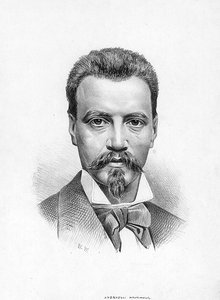
mykolas elvyras andriolis, elviro michele andriolli
1836 - 1893 , Lithuania
Основные сведения
- Artistic Movement Or Style: Realism, American Realism
- Artists Or Movements Influenced By This Artist: ['Sir Lawrence Alma-Tadema']
- Artists Who Influenced This Artist: ['Henrietta Homer']
- Date Of Birth: February 24, 1836
- Date Of Death: September 29, 1910
- Full Name: Winslow Homer
- Nationality: American
- Notable Artworks:
- Snap the Whip
- The Veteran in a New Field
- Breezing Up (A Fair Wind)
- Place Of Birth: Boston, Massachusetts