


 Поделиться
 Поделиться
 Детали произведения

 Скачать
 Похожие работы
 Слайд-шоу
 Статистика
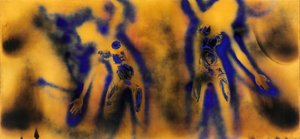
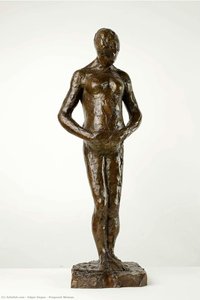
Один день на двух орбитах
 Бронзовая скульптура
- Conceptual Sculpture
 900.0 x 300.0 cm
 Экспо-2020 Дубай
 Читать далее
Приобретите цифровое изображение высокого разрешения в улучшенном качестве, которое значительно превосходит онлайн-превью.
Каждый файл тщательно подготавливается нашими специалистами с использованием передовых инструментов и экспертной ручной ретуши. Мы гарантируем исключительную четкость, точную цветопередачу и детальную проработку каждого изображения.
Финальный файл доставляется по электронной почте в течение 72 часов и оптимизирован для немедленного использования в профессиональной среде, при верстке и печати. Это тот же уровень качества, которому доверяют ведущие дизайнерские студии, издательства и галереи.
Цифровое изображение
Скачайте файл высокого разрешения для личного использования, печати и творческих проектов. ( Перейти к печати Купить картину ручной работы)
Включено в каждый заказ цифровых изображений
Гарантия экспертной цифровой доставки
Выбирая ArtsDot.com, вы получаете не просто изображение — вы приобретаете профессионально обработанное цифровое произведение искусства, созданное с безупречной точностью и под защитой гарантии качества. Вот всё, что автоматически входит в ваш заказ:

Мгновенная доставка по e-mail
Ваш цифровой файл в высоком разрешении будет отправлен вам по электронной почте в течение 72 часов после оформления заказа — и сразу станет доступен для использования.

Цифровой файл с ИИ-улучшением
Ваше произведение искусства проходит профессиональную оптимизацию с использованием передовых инструментов ИИ и ручной обработки, что гарантирует максимальную детализацию, четкость и точность цветопередачи.

Бессрочная бесплатная повторная доставка
Случайно удалили или потеряли файл? Не беспокойтесь — мы отправим его вам повторно в любое время и совершенно бесплатно.

Без импортных пошлин — навсегда
Наслаждайтесь вашим произведением искусства мгновенно без таможенных пошлин, сборов или затрат на доставку — цифровые загрузки всегда не облагаются налогом.

Гарантия точности цветопередачи
Мы гарантируем, что ваше цифровое изображение максимально точно передает оригинальные цвета благодаря использованию профессиональных инструментов и систем управления цветом.

Гарантия удовлетворенности 100 дней
Если вы не будете удовлетворены своим цифровым изображением, мы внесем правки или вернем 100% стоимости в течение 100 дней — без лишних вопросов.

100% Гарантия возврата средств
Не удовлетворены покупкой? Получите полный возврат средств в течение 100 дней после получения цифрового файла — без лишних вопросов.

Скидки на оптовые заказы
Купите 3 изображения, сэкономьте 10% — Купите 5, сэкономьте 15% — Купите 10+, сэкономьте 20%. Отличное решение для творческих проектов, галерей и агентств.
A Celestial Dialogue: Exploring Nadia Kaabi-Linke’s “One Day on Two Orbits”
Nadia Kaabi-Linke's "One Day on Two Orbits" transcends mere sculpture; it’s a profound meditation on time, cosmology, and cultural exchange. Created in 2018, this monumental floor piece resides within the Kunsthalle Düsseldorf, cementing its place as a cornerstone of contemporary conceptual art. The artwork immediately captivates with its stark simplicity—a single chair crafted from concrete, positioned centrally against a backdrop of similarly textured surfaces—yet it harbors layers of intellectual and emotional resonance that invite sustained contemplation. The sculpture’s genesis lies in Kaabi-Linke's fascination with Ibn al-Haytham, the 11th-century Arab polymath often hailed as “the Father of Optics.” Al-Haytham’s groundbreaking experiments demonstrated that the sun and moon orbit Earth on distinct trajectories—a revelation that fundamentally reshaped understandings of space and time. Kaabi-Linke brilliantly translates this scientific paradigm into artistic form, mirroring the celestial dance with a rotating shadow cast by a bicycle. This deliberate juxtaposition underscores not only the historical significance of al-Haytham’s discoveries but also their enduring influence on Western thought. Technically masterful, “One Day on Two Orbits” exemplifies Kaabi-Linke's commitment to exploring materiality and its relationship to conceptual ideas. The chair itself—a deliberately unremarkable object—serves as a grounding element against which the ephemeral shadow is projected. This technique highlights the interplay between permanence and change, mirroring the cyclical nature of time and the constant movement of celestial bodies. Furthermore, the concrete construction speaks to resilience and stability, suggesting that even seemingly fragile concepts can hold enduring power. Beyond its scientific and technical dimensions, “One Day on Two Orbits” operates on a symbolic level. The bicycle represents human endeavor—a journey toward knowledge and understanding—while the shadow embodies the unseen forces shaping our perception of reality. Like distant galaxies captured in astronomical photographs, the rotating shadow evokes a sense of vastness and mystery, prompting viewers to consider their place within the grand scheme of cosmic history. Ultimately, Kaabi-Linke’s sculpture succeeds in eliciting an emotional response—a feeling of quiet contemplation and awe—that reflects the profound beauty inherent in scientific inquiry and artistic expression. “One Day on Two Orbits” is more than just a visual spectacle; it's an invitation to engage in a dialogue with history, cosmology, and the enduring human quest for meaning. Its presence within the Kunsthalle Düsseldorf ensures that this celestial conversation continues to inspire generations of art lovers and collectors alike.- Artist: Nadia Kaabi-Linke
- Year Created: 2018
- Location: Kunsthalle Düsseldorf
Похожие произведения

Биография художника
The Cartography of Identity: The Life and Vision of Nadia Kaabi-Linke
Born in the vibrant, multicultural landscape of Tunis in 1978, Nadia Kaabi-Linke has cultivated a creative practice that serves as a profound meditation on the fluidity of borders and the complexities of human movement. Her early life was defined by a nomadic existence, traversing the diverse cultural landscapes of Kyiv, Dubai, and Paris before settling into her current role as a prominent figure in the Berlin art scene. This upbringing, characterized by a constant negotiation between different geographies and languages, instilled in her a deep-seated fascination with narratives that exist beyond nationalistic boundaries. It is this unique perspective—one that views the world not as a collection of fixed territories but as a web of interconnected journeys—that forms the very heartbeat of her conceptual explorations.
Kaabi-Linke’s intellectual foundation is as rigorous as it is expansive. After honing her technical skills at the Tunis Institute of Fine Arts, she pursued a doctorate in the Philosophy of Art from Sorbonne University. This academic depth allows her to approach sculpture and installation not merely as physical objects, but as philosophical inquiries into how art shapes our cultural understanding and challenges established societal structures. Her work rarely relies on purely aesthetic allure; instead, it prioritizes the weight of ideas, using materiality to interrogate the invisible lines that divide and connect us in an era of unprecedented global migration.
Materiality and Movement: The Language of Installation
The essence of Kaabi-Linke’s work lies in its ability to transform physical materials into powerful symbols of displacement and memory. She often utilizes textiles, maps, and architectural elements to create immersive environments that evoke the sensation of transit. Her approach is deeply rooted in the concept of transnational identity, where the medium itself becomes a vessel for stories of movement. By manipulating textures and forms, she invites the viewer to experience the psychological weight of being caught between worlds—the tension between the desire for belonging and the reality of flux.
One cannot discuss her contribution to contemporary art without addressing the monumental impact of her breakthrough project, “Flying Carpets.” Commissioned by the Abraaj Group Art Prize in 2011, this sprawling textile installation stands as a testament to her ability to weave complex geopolitical themes into a tangible, breathtaking experience. The work utilizes intricately woven fabrics to create an atmosphere that is simultaneously ethereal and grounded, reflecting the fragmented yet beautiful nature of migratory experiences. Through this piece, she successfully translated the abstract concept of global displacement into a sensory reality that resonates with audiences worldwide.
Global Recognition and Artistic Legacy
As her career progressed, Kaabi-Linke’s influence expanded far beyond the borders of Europe. Her recognition at prestigious international platforms, such as receiving the Discovery Prize for Emerging Art at Art Basel Hong Kong in 2014, solidified her status as a vital voice in the global contemporary art dialogue. Her exhibitions, spanning solo shows across North America and Europe, continue to challenge viewers to reconsider their perceptions of citizenship, sovereignty, and the human condition.
The historical significance of Nadia Kaabi-Linke’s work lies in its timely interrogation of the most pressing issues of our age: geopolitics, immigration, and the shifting nature of identity. Her ability to bridge the gap between high-level philosophical inquiry and visceral, sculptural installation ensures that her art remains a crucial touchstone for understanding the modern world. As her works find permanent homes in major museums across the globe, she leaves behind a legacy of art that does not merely observe the world's borders, but actively seeks to reimagine them.

nadia kaabi-linke
1978 - , Tunisia
Основные сведения
- Artistic Movement Or Style: Conceptual art
- Date Of Birth: 1978
- Full Name: Nadia Kaabi-Linke
- Nationality: Tunisian
- Notable Artworks: ['Flying Carpets']
- Place Of Birth: Tunis, Tunisia