

 Предпросмотр
 Поделиться
 Поделиться
 Детали произведения

 Скачать
 Похожие работы
 Рентгенография
 Слайд-шоу
 Статистика
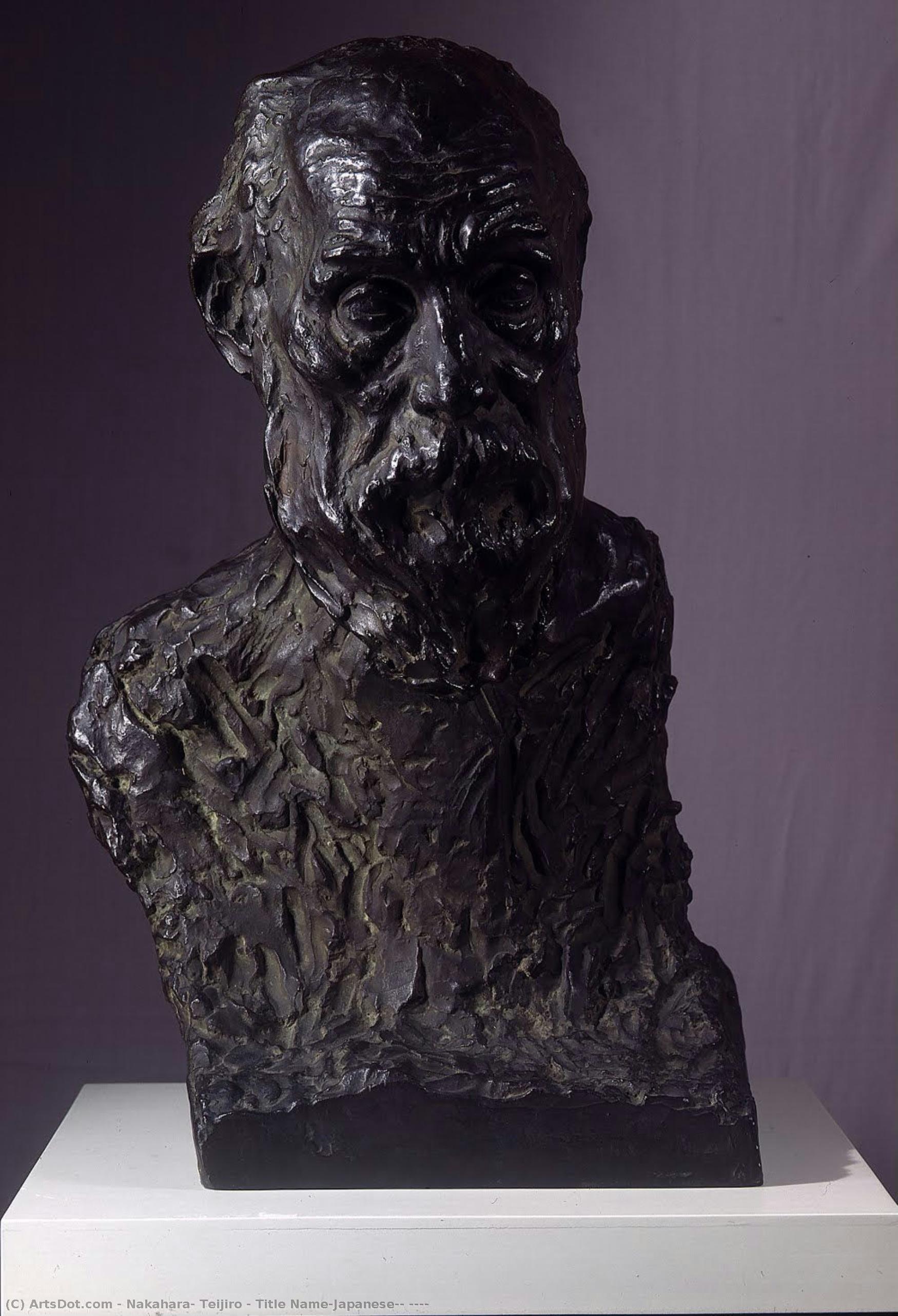
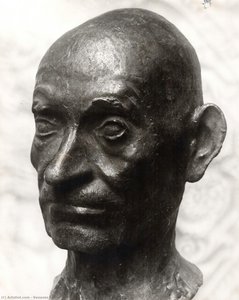
Title Name(Japanese): 老人の首
 Classical Figurative Sculpture
 38.0 x 60.0 cm
 Читать далее
Приобретите цифровое изображение высокого разрешения в улучшенном качестве, которое значительно превосходит онлайн-превью.
Каждый файл тщательно подготавливается нашими специалистами с использованием передовых инструментов и экспертной ручной ретуши. Мы гарантируем исключительную четкость, точную цветопередачу и детальную проработку каждого изображения.
Финальный файл доставляется по электронной почте в течение 72 часов и оптимизирован для немедленного использования в профессиональной среде, при верстке и печати. Это тот же уровень качества, которому доверяют ведущие дизайнерские студии, издательства и галереи.
Цифровое изображение
Скачайте файл высокого разрешения для личного использования, печати и творческих проектов. ( Перейти к печати Купить картину ручной работы)
Включено в каждый заказ цифровых изображений
Гарантия экспертной цифровой доставки
Выбирая ArtsDot.com, вы получаете не просто изображение — вы приобретаете профессионально обработанное цифровое произведение искусства, созданное с безупречной точностью и под защитой гарантии качества. Вот всё, что автоматически входит в ваш заказ:

Мгновенная доставка по e-mail
Ваш цифровой файл в высоком разрешении будет отправлен вам по электронной почте в течение 72 часов после оформления заказа — и сразу станет доступен для использования.

Цифровой файл с ИИ-улучшением
Ваше произведение искусства проходит профессиональную оптимизацию с использованием передовых инструментов ИИ и ручной обработки, что гарантирует максимальную детализацию, четкость и точность цветопередачи.

Бессрочная бесплатная повторная доставка
Случайно удалили или потеряли файл? Не беспокойтесь — мы отправим его вам повторно в любое время и совершенно бесплатно.

Без импортных пошлин — навсегда
Наслаждайтесь вашим произведением искусства мгновенно без таможенных пошлин, сборов или затрат на доставку — цифровые загрузки всегда не облагаются налогом.

Гарантия точности цветопередачи
Мы гарантируем, что ваше цифровое изображение максимально точно передает оригинальные цвета благодаря использованию профессиональных инструментов и систем управления цветом.

Гарантия удовлетворенности 100 дней
Если вы не будете удовлетворены своим цифровым изображением, мы внесем правки или вернем 100% стоимости в течение 100 дней — без лишних вопросов.

100% Гарантия возврата средств
Не удовлетворены покупкой? Получите полный возврат средств в течение 100 дней после получения цифрового файла — без лишних вопросов.

Скидки на оптовые заказы
Купите 3 изображения, сэкономьте 10% — Купите 5, сэкономьте 15% — Купите 10+, сэкономьте 20%. Отличное решение для творческих проектов, галерей и агентств.
Похожие произведения

Биография художника
A Brief Life Etched in Bronze: The Sculptural Legacy of Teijiro Nakahara
Teijiro Nakahara, a name perhaps unfamiliar to many outside the circles of Japanese modern sculpture, represents a poignant and tragically short-lived talent. Born in Asahikawa, Japan, in 1888, Nakahara’s artistic journey was one of intense dedication cut short by his untimely death in 1921 at the age of just thirty-two. His work, though limited in number due to his brief career, stands as a powerful testament to the burgeoning influence of Western sculptural traditions on Japanese art during the early 20th century, and more specifically, the impact of Rodin’s emotive realism. Nakahara wasn't merely replicating styles; he was synthesizing them with a uniquely Japanese sensibility, creating pieces that resonate with both universal human emotion and a distinctly local aesthetic.From Painterly Aspirations to Sculptural Revelation
Initially drawn to painting, Nakahara’s artistic path took a decisive turn after encountering the works of Morie Ogihara, a sculptor who had recently returned from Europe. This exposure proved transformative. Through Ogihara, Nakahara discovered the profound impact of Auguste Rodin – not just his technical mastery but also his ability to convey raw emotion and psychological depth through form. This encounter sparked a fundamental shift in Nakahara’s artistic focus; he enrolled in the carving and modeling division of the Taiheiyogakai institute, fully committing himself to sculpture. He later joined the Nihon Bijutsuin (Japan Art Institute) in 1916, solidifying his position within the evolving landscape of Japanese art. This period marked a crucial phase of development, where he honed his skills and began to forge his own artistic voice.The Power of ‘Head of Old Man’ and Beyond
Nakahara's most celebrated work, “Head of Old Man” (1916), encapsulates the core tenets of his artistic vision. The sculpture is a bronze bust that transcends mere representation; it’s a deeply moving portrait of wisdom, resilience, and the weight of experience etched onto a weathered face. The classical figurative style is evident, yet Nakahara infuses the work with an intimacy and psychological complexity rarely seen in traditional Japanese sculpture. He achieved this through meticulous detail – the lines around the eyes, the texture of the skin – but also through a deliberate emphasis on planes and volumes inspired by Rodin’s techniques. The somber mood is palpable, inviting contemplation on themes of aging, mortality, and the human condition. Beyond “Head of Old Man,” Nakahara produced other notable works like "Old Mendicant", demonstrating his continued exploration of human subjects and emotional depth.A Lasting Influence: The Asahikawa Museum and a Legacy Preserved
Despite his tragically short career, Teijiro Nakahara left an indelible mark on the art world. The establishment of the Asahikawa Museum of Sculpture in Honor of Teijiro Nakahara stands as a powerful tribute to his legacy. Originally built as the officer’s social club for the 7th Division of the Imperial Japanese Army (1902-1945), the building itself holds historical significance, designated an Important Cultural Property in 1968. Today, the museum houses Nakahara's twelve known sculptures alongside works by artists who influenced him – Rodin and Ogihara among them – as well as pieces from winners of the Teijiro Nakahara Award, founded in 1970. The museum actively promotes sculpture through exhibitions, lectures, and workshops, ensuring that Nakahara’s artistic spirit continues to inspire generations of sculptors and art enthusiasts.Historical Significance: Bridging East and West
Teijiro Nakahara occupies a unique position in the history of Japanese modern sculpture. He was not simply imitating Western styles but actively engaging with them, adapting them to express uniquely Japanese sensibilities. His work reflects a pivotal moment in Japanese art – a period of rapid modernization and increasing exposure to international influences. Nakahara’s sculptures represent a bridge between traditional artistic values and the burgeoning possibilities of modernism. He demonstrated that it was possible to embrace new techniques and perspectives while remaining deeply rooted in one's own cultural heritage, leaving behind a body of work that continues to resonate with its profound emotional depth and technical brilliance. His legacy is not merely as a skilled sculptor but as a pioneer who helped shape the course of Japanese art in the 20th century.
nakahara, teijiro
1888 - 1921