

 Предпросмотр
 Поделиться
 Поделиться
 Детали произведения

 Скачать
 Похожие работы
 Рентгенография
 Слайд-шоу
 Статистика
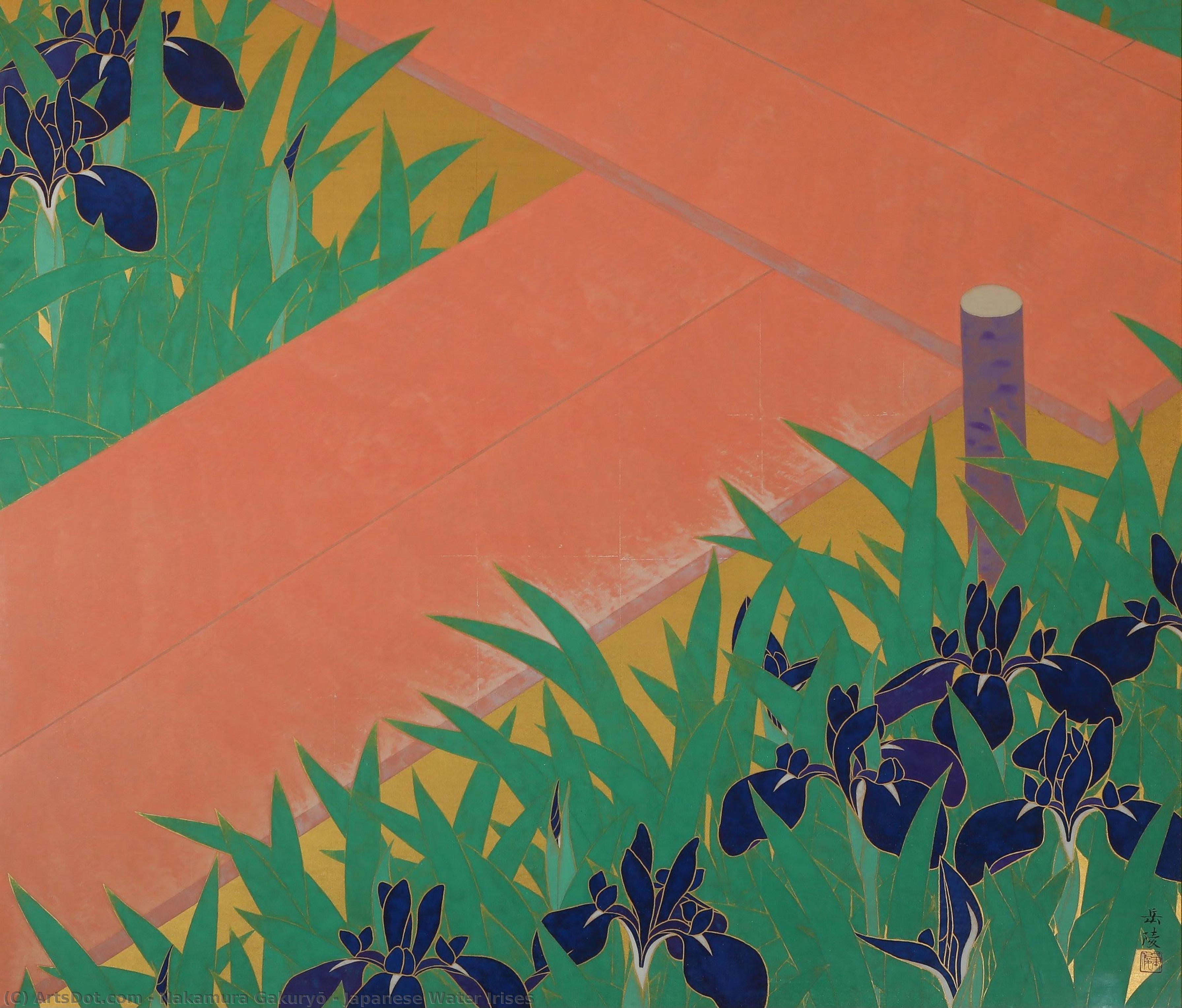
Japanese Water Irises
 91.0 x 105.0 cm
 Читать далее
Масляная репродукция ручной работы
Картина маслом на холсте в выбранном вами размере и раме, написанная на заказ нашими художниками. ( Перейти к печати Перейти к цифровым изображениям)




































Выберите один из наших стандартных размеров, соответствующих оригинальным пропорциям произведения искусства.

Вы можете указать собственные размеры, чтобы картина идеально вписалась в выбранную раму или пространство. Если выбранный вами размер не соответствует пропорциям оригинала, мы либо обрежем полотно, либо расширим его за счет дополнительных элементов, написанных вручную. Цифровой макет будет отправлен вам на утверждение перед началом производства.
Обратите внимание, что предварительный просмотр на экране не отражает фактическую обрезку или расширение. Только макет точно покажет окончательную композицию.
Хотя доступны индивидуальные размеры, мы рекомендуем выбирать вариант из предопределенного списка, чтобы сохранить исходные пропорции.
После оформления заказа команда ArtsDot.com свяжется с клиентом по электронной почте для уточнения деталей и предоставит предварительный макет
Доставка по всему миру () за 3–4 недели вместо стандартных 5 недель. (11 Сентябрь). Без компромиссов в качестве.

Бесплатная экспресс-доставка по всему миру

Высококачественный льняной холст

Полное страхование доставки

Гарантия возмещения таможенных пошлин

Гарантия точного соответствия цветов

100-дневная политика возврата (только при обнаружении дефектов)

Гарантия возврата 100% средств

Предложение оптовых скидок
 Вариант со стеклом доступен только для размеров менее 110 см

Japanese Water Irises
Техника репродукции
Размер репродукции
-


Итоговая стоимость
$ 263
Похожие произведения




Биография художника
The Genesis of a Visionary
Born amidst the serene, mist-shrouded landscapes of Izu in 1890, Nakamura Gakuryō emerged as a transformative force in the evolution of Japanese art. His early years were steeped in the profound traditions of his homeland, shaped significantly by the mentorship of Kawabe Mitate. Through this tutelage, Gakuryō did not merely learn to paint; he absorbed the very soul of the Rimpa and Tosa schools, weaving their historical lineages into a personal aesthetic that respected the past while looking toward a new era. His formal training at the Tokyo School of Fine Arts in 1912 provided the technical rigor necessary to bridge the gap between ancient Japanese sensibilities and the encroaching influence of Western artistic principles, creating a foundation upon which he would build a legendary career.A Movement of Revival
As the Taisho and Showa eras unfolded, Gakuryō became a central figure in the Kojikai group, working alongside luminaries such as Maeda Seison. This was far more than a mere artistic circle; it was a deliberate crusade to protect and reinvigorate the Nihonga style against the overwhelming tide of Western Impressionism. Gakuryō’s work during this period sought to establish traditional Japanese painting not as a relic of a bygone age, but as a vibrant, modern genre capable of expressing contemporary emotion. His brushwork began to exhibit a unique duality—a masterful blend of meticulous realism and an expressive, almost ethereal, fluidity that captured the ephemeral beauty of the natural world with unprecedented clarity.Imperial Grandeur and Eternal Beauty
The pinnacle of Gakuryō’s career was most visibly realized within the hallowed, silent halls of the Tokyo Imperial Palace. His ability to command large-scale spaces led to monumental commissions that remain landmarks of Japanese decorative art. In the Hōmei-den state banquet hall, his “Toyohata-gumo” tapestry—a breathtaking depiction of a tranquil bank of clouds—showcased his unparalleled skill in textile design and composition. Furthermore, his work within the Ume-no-Ma audience room, particularly the iconic “Kouhaku-bai”, stands as a testament to his ability to infuse massive architectural spaces with profound spiritual depth and movement.- Mastery of Motif: His delicate renderings of floral elements, such as the celebrated Japanese Water Irises, continue to enchant viewers with their lifelike grace and rhythmic composition.
- Architectural Integration: He possessed a rare talent for designing art that functioned in perfect harmony with the structural grandeur of imperial architecture.
- Historical Significance: As a pioneer of the Nihonga revival, his legacy is etched into the very fabric of Japan's modern art history, bridging the gap between tradition and modernity.
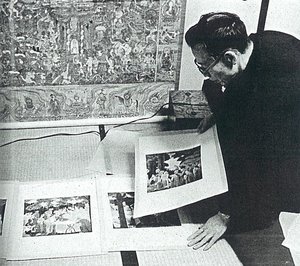
nakamura gakuryō
1890 - 1969 , Japan
Основные сведения
- Artistic Movement Or Style: Nihonga
- Artists Or Movements Influenced By This Artist: ['Maeda Seison']
- Artists Who Influenced This Artist: ['Kawabe Mitate']
- Date Of Birth: 1890
- Date Of Death: 1969
- Full Name: Nakamura Gakuryō
- Nationality: Japanese
- Notable Artworks:
- Toyohata-gumo
- Kouhaku-bai
- Place Of Birth: Izu, Japan