

 Предпросмотр
 Поделиться
 Поделиться
 Детали произведения

 Скачать
 Похожие работы
 Рентгенография
 Слайд-шоу
 Статистика
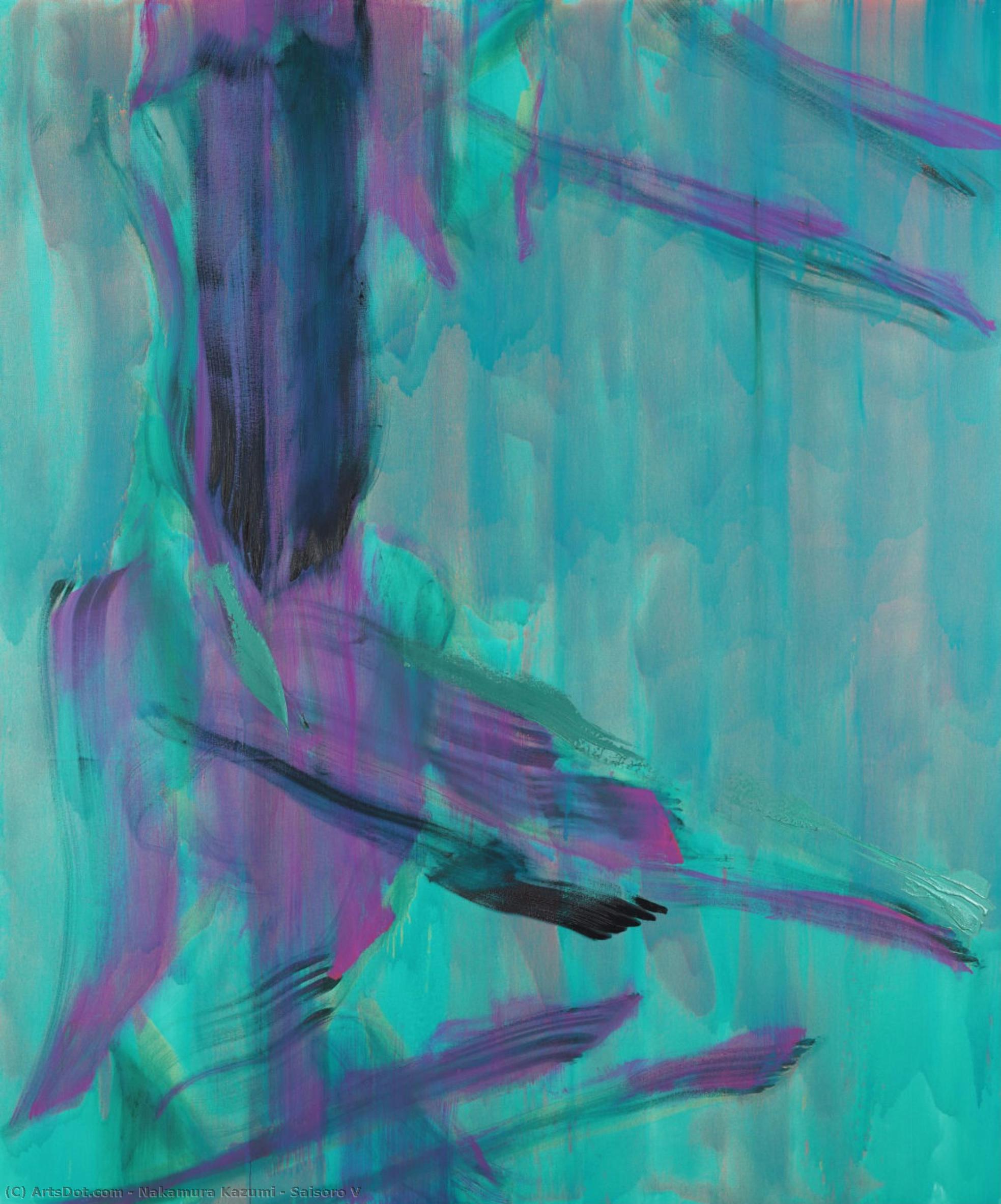
Saisoro V


 Читать далее
Масляная репродукция ручной работы
Картина маслом на холсте в выбранном вами размере и раме, написанная на заказ нашими художниками. ( Перейти к печати Перейти к цифровым изображениям)




































Выберите один из наших стандартных размеров, соответствующих оригинальным пропорциям произведения искусства.

Вы можете указать собственные размеры, чтобы картина идеально вписалась в выбранную раму или пространство. Если выбранный вами размер не соответствует пропорциям оригинала, мы либо обрежем полотно, либо расширим его за счет дополнительных элементов, написанных вручную. Цифровой макет будет отправлен вам на утверждение перед началом производства.
Обратите внимание, что предварительный просмотр на экране не отражает фактическую обрезку или расширение. Только макет точно покажет окончательную композицию.
Хотя доступны индивидуальные размеры, мы рекомендуем выбирать вариант из предопределенного списка, чтобы сохранить исходные пропорции.
После оформления заказа команда ArtsDot.com свяжется с клиентом по электронной почте для уточнения деталей и предоставит предварительный макет
Доставка по всему миру () за 3–4 недели вместо стандартных 5 недель. (11 Сентябрь). Без компромиссов в качестве.

Бесплатная экспресс-доставка по всему миру

Высококачественный льняной холст

Полное страхование доставки

Гарантия возмещения таможенных пошлин

Гарантия точного соответствия цветов

100-дневная политика возврата (только при обнаружении дефектов)

Гарантия возврата 100% средств

Предложение оптовых скидок
 Вариант со стеклом доступен только для размеров менее 110 см

Saisoro V
Техника репродукции
Размер репродукции
-


Итоговая стоимость
$ 263
Похожие произведения
Биография художника
Paul Jackson Pollock: A Revolutionary of Color and Motion
Jackson Pollock, born January 28, 1912, in Cody, Wyoming, was more than just an American painter; he was a seismic shift in the art world. His life, marked by both creative brilliance and personal struggles, culminated in a revolutionary approach to painting that continues to captivate and challenge viewers today. From his humble beginnings on the vast plains of the West to the vibrant studios of New York City, Pollock’s journey embodies the spirit of innovation and the relentless pursuit of artistic expression.
Pollock's early life was shaped by a nomadic existence, moving frequently with his family across California, Arizona, and eventually settling in Los Angeles. He enrolled at Manual Arts High School but was expelled for disruptive behavior, an experience that instilled in him a rebellious streak – a characteristic that would profoundly influence his artistic practice. His formal art training began at the Art Students League of New York, where he studied under Thomas Hart Benton, absorbing elements of Benton’s dynamic brushwork and interest in American themes, though he quickly forged his own distinct path. This period also exposed him to the burgeoning Surrealist movement and the revolutionary ideas of Mexican muralists like David Alfaro Siqueiros and José Clemente Orozco, whose emphasis on social commentary and bold techniques resonated deeply with him.
The late 1930s and early 1940s proved pivotal. Pollock’s work began to evolve dramatically, influenced by his experiences during the Great Depression and his exploration of psychological theories, particularly those of Sigmund Freud and Carl Jung. He sought therapy with Dr. Joseph Henderson, a Jungian analyst who encouraged him to channel his subconscious through his art. This period saw the development of his signature “drip” technique – a method that abandoned traditional brushes and palettes in favor of pouring, flinging, and dripping thinned enamel paint onto an unstretched canvas laid flat on the floor. This radical approach liberated him from the constraints of conventional painting, allowing him to engage with the materials directly and create works that pulsated with energy and spontaneity.
The Birth of Action Painting
Pollock’s “drip” technique wasn't simply a stylistic choice; it was a fundamental shift in how art was made. He described his process as intuitive, driven by an almost trance-like state where he lost awareness of the external world and allowed the paint to dictate its own course. Critics initially met this approach with skepticism, dismissing it as random and chaotic. However, as Pollock’s work gained recognition, particularly through the support of influential figures like Clement Greenberg and Peggy Guggenheim, it became increasingly celebrated for its immediacy, its rejection of traditional representation, and its exploration of pure feeling and movement.
Key works from this period, such as “Number 1, 1948” (often referred to as "Lavender Mist") and “One: Number 31, 1950,” exemplify the scale and dynamism of his action paintings. These canvases are not static images but rather records of a process – a visual manifestation of energy, rhythm, and color. The all-over composition, where no single point dominates, reflects Pollock’s belief that painting should be experienced as a whole, immersing the viewer in its vibrant field of color.
Blue Poles: A Bold Experiment
1952 marked a significant turning point in Pollock's career with the creation of “Blue Poles” (Number 11, 1952), a monumental canvas painted entirely in shades of blue. Commissioned by Peggy Guggenheim for her Art of This Century gallery in New York, "Blue Poles" showcased his mastery of color and his willingness to experiment with new materials – alkyd resin paints that allowed him to achieve an unprecedented fluidity and luminosity. The painting’s intense chromaticity and its seemingly chaotic yet balanced composition captivated the art world and cemented Pollock's reputation as a leading figure in Abstract Expressionism.
The creation of “Blue Poles” also led to a period of personal turmoil for Pollock, marked by increasing alcohol consumption and strained relationships. Despite these challenges, he continued to push the boundaries of his artistic practice, exploring new techniques and approaches. His final major works, such as "Mural on Indian Red Ground" (1950) and “Convergence” (1952), demonstrate a deepening engagement with color and form, reflecting both his personal struggles and his ongoing exploration of the possibilities of paint.
Legacy and Influence
Jackson Pollock tragically died August 11, 1956, in a car accident outside Springs, Long Island. His untimely death cut short a brilliant career but left behind an enduring legacy that continues to inspire artists today. His revolutionary approach to painting—his embrace of chance, his rejection of traditional representation, and his commitment to the physicality of materials—transformed the art world and paved the way for subsequent movements such as Pop Art and Minimalism.
MoMA’s retrospective exhibitions in 1967 and 1998-1999 served as crucial moments in solidifying Pollock's place within the canon of modern art. His work is now held by major museums around the world, a testament to its enduring power and significance. Pollock’s influence extends far beyond the realm of painting; his innovative approach to creativity has resonated across various disciplines, reminding us that art can be a powerful force for self-expression, exploration, and transformation.

nakamura kazumi
1956 - , Japan
Основные сведения
- Artistic Movement Or Style:
- Abstract Expressionism
- Drip painting
- Action painting
- Artists Or Movements Influenced By This Artist:
- Lee Krasner
- Gutai group
- Minimalism
- Artists Who Influenced This Artist:
- Thomas Hart Benton
- David Alfaro Siqueiros
- José Clemente Orozco
- Pablo Picasso
- Date Of Birth: January 28, 1912
- Date Of Death: August 11, 1956
- Full Name: Paul Jackson Pollock
- Nationality: American
- Notable Artworks:
- Number 17A
- No. 5, 1948
- Mural on Indian Red Ground
- Autumn Rhythm (Number 30)
- Convergence
- Blue Poles
- Place Of Birth: Cody, Wyoming, USA
Похожие статьи

Топ-25 шедевров Василия Кандинского: Абстрактное искусство для вашего интерьера
Погрузитесь в мир абстрактного искусства с Василием Кандинским! 25 шедевров экспрессионизма, баухауса и русского авангарда. Репродукции картин Кандинского для вдохновения и декора вашего интерьера. Откройте всю коллекцию на ArtsDot.com
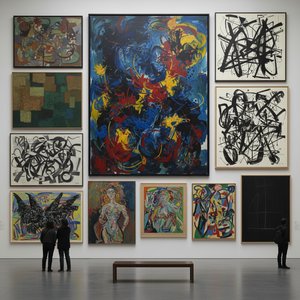
Топ-10 шедевров абстрактного экспрессионизма: искусство для вашего интерьера от ArtsDot.com
Погрузитесь в мир абстрактного экспрессионизма! Откройте для себя 10 шедевров Поллока, Ротко и других гениев. История искусства, техники живописи и вдохновение для вашего интерьера от ArtsDot.com. Explore the full collection online!
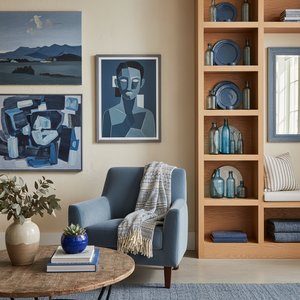
Топ-10 знаменитых картин в оттенках серо-голубого: искусство и декор от ArtsDot
Погрузитесь в мир серо-голубых оттенков! От Моне до Ренуара – 10 знаменитых картин, вдохновляющих на создание уникального интерьера. Репродукции высокого качества от ArtsDot.com. Explore the full collection online!
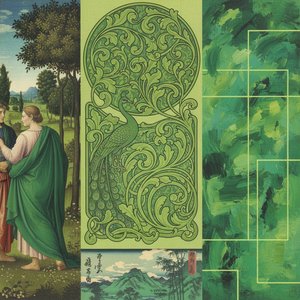
Verdant Visions: Exploring the Symbolism & Aesthetic Impact of Green in Art History
Explore the rich history & symbolism of green in art! Discover iconic paintings, techniques, and how to bring verdant harmony into your home with ArtsDot's expert guide.
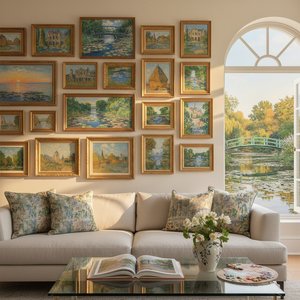
Топ-25 шедевров Клода Моне: Искусство света и импрессионизма для вашего интерьера
Погрузитесь в мир Клода Моне! 25 шедевров импрессионизма, от "Водных лилий" до знаменитых пейзажей. Узнайте историю создания картин и вдохновитесь для декора интерьера. Репродукции музейного качества на ArtsDot.com.