

 Предпросмотр
 Поделиться
 Поделиться
 Детали произведения

 Скачать
 Похожие работы
 Рентгенография
 Слайд-шоу
 Статистика
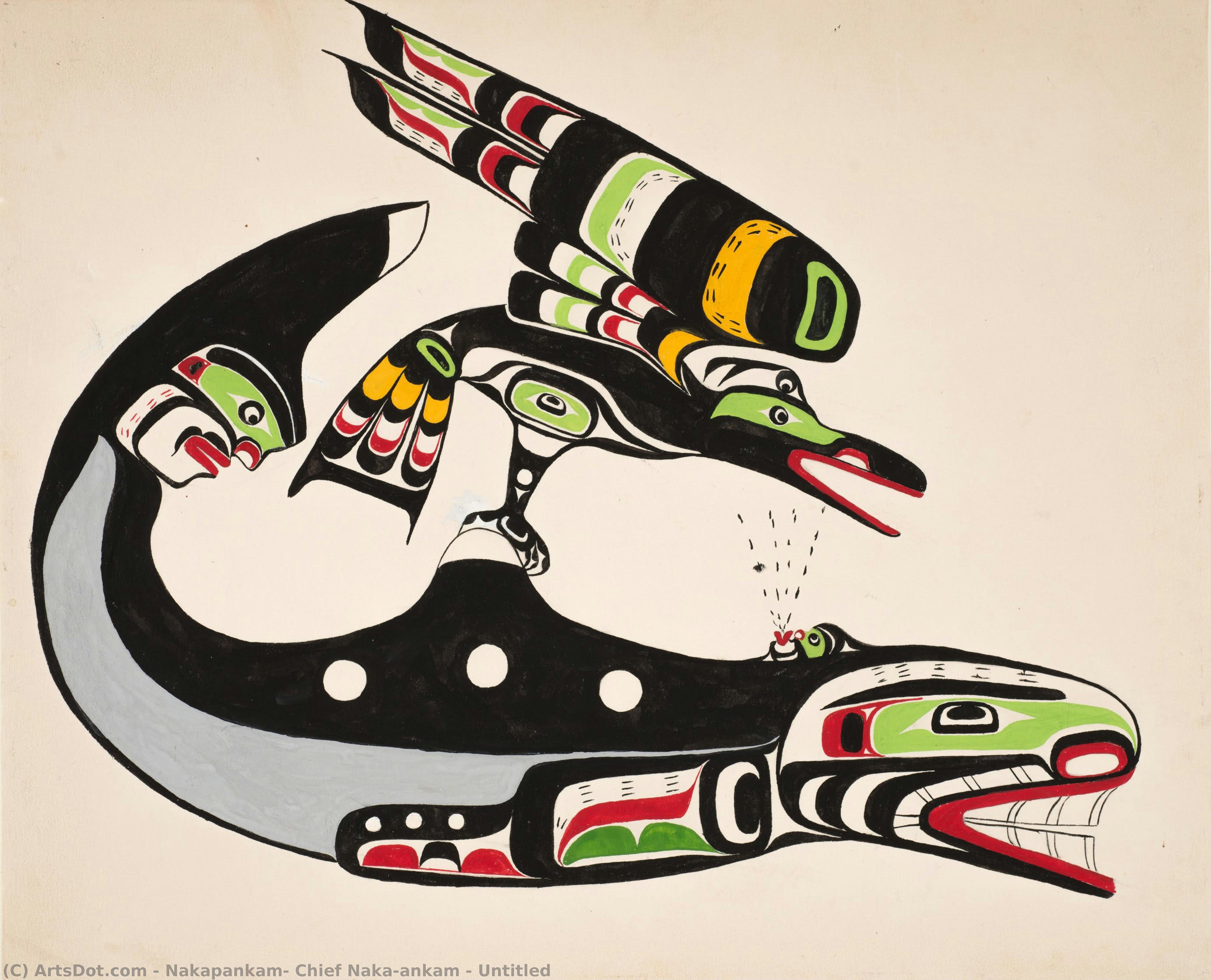
Untitled
 Contemporary Indigenous
 42.0 x 34.0 cm
 Royal BC Museum
 Читать далее
Жикле / Арт-принт
Печать (жикле) или холст музейного качества с быстрыми сроками изготовления и широким выбором вариантов отделки. ( Купить картину ручной работы Перейти к цифровым изображениям)




































Выберите один из наших стандартных размеров, соответствующих оригинальным пропорциям произведения искусства.

Вы можете указать свои собственные размеры, чтобы репродукция идеально подошла под конкретную раму или пространство. Если выбранный вами размер не будет соответствовать пропорциям оригинала, мы либо обрежем произведение, либо дополним изображение зеркальным отражением краев или однотонной заливкой. Перед началом производства вам будет отправлен цифровой макет для утверждения.
Пожалуйста, обратите внимание, что предварительный просмотр на экране не отображает фактическую обрезку или расширение изображения. Только макет точно покажет финальную композицию.
Несмотря на возможность заказа индивидуальных размеров, мы рекомендуем выбирать размер из предопределенного списка, чтобы сохранить оригинальные пропорции.
Доставка по всему миру () за 2 недели вместо стандартных 4/5 недель. (12 Сентябрь)

Бесплатная экспресс-доставка по всему миру

Высококачественный льняной холст

Полное страхование доставки

Гарантия возмещения таможенных пошлин

Гарантия точного соответствия цветов

100-дневная политика возврата (только при обнаружении дефектов)

Гарантия возврата 100% средств

Предложение оптовых скидок
 Вариант со стеклом доступен только для размеров менее 110 см

Untitled
Жикле / Арт-принт
Размер репродукции
-


Итоговая стоимость
$ 62
Похожие произведения
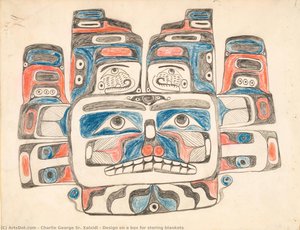
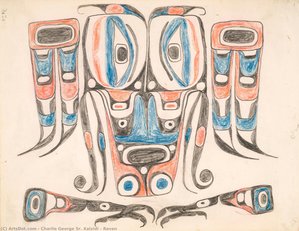
![Kwakwaka — Willie Siwid [siwiti]/chief Hilamas/the One Able To Set Things Right/smoky Top/kwaxitola, Northwest Coast Indigenous Art](/media/artworks/images-thumb/75/bf/75bfbf43de55f1e642b17ce2bbc027d3.jpg)
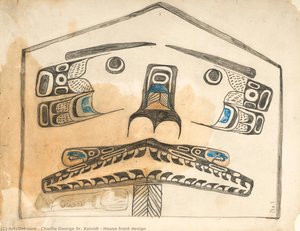
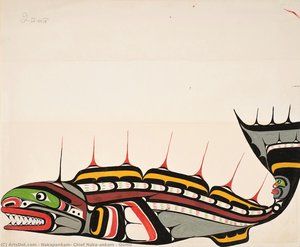
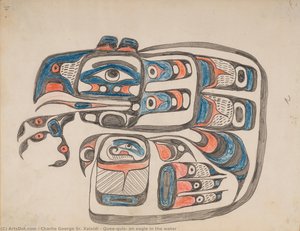
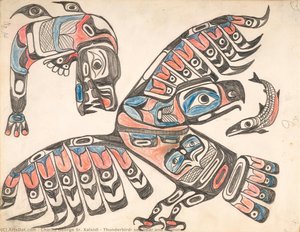
Биография художника
The Legacy of a Cultural Guardian: Mungo Martin
In the heart of the Pacific Northwest, where the mist clings to the ancient cedars of British Columbia, the name Mungo Martin—or nakapankam—resonates as a symbol of cultural resilience and artistic mastery. Born in 1879 in Fort Rupert, Canada, Martin emerged from the rich traditions of the Kwakwaka'wakw people, not merely as a craftsman, but as a vital bridge between an ancestral past and a modernizing world. His life was deeply rooted in the potlatch traditions, a complex social and ceremonial system that serves as the heartbeat of his people. Raised amidst the songs, dances, and oral histories of the Kwakwaka'wakw, Martin’s early years were shaped by a profound immersion in the spiritual and communal rhythms of his heritage.
The foundation of his artistic prowess was laid through a lineage of mentorship and familial devotion. He was trained under the watchful eye of his stepfather, Yakudlas Charlie James, one of the most renowned Kwakwaka'wakw carvers of his era. This apprenticeship provided Martin with more than just technical skill; it offered him an intimate understanding of the symbolic language carved into wood. Simultaneously, the influence of his mother, Q'omiga, ensured that his art remained tethered to the soul of the culture, as she passed down the essential traditions and sacred songs that inform the very essence of Kwakwaka'wakw iconography.
A Synthesis of Tradition and Innovation
As Martin’s career progressed, his work began to exhibit a breathtaking synthesis of ancient motifs and evolving aesthetics. While his roots remained firmly planted in the traditional woodcarving techniques of his ancestors, he possessed a visionary ability to integrate modern sensibilities into his compositions. This evolution is particularly evident in his later works, where he adopted a more simplified, bold design language. One of the most striking technical hallmarks of his mature style was the use of a desirable white undercoat of paint, which provided a luminous foundation for the vibrant pigments that define Northwest Coast art.
His versatility extended beyond the monumental scale of totem poles and masks into the delicate realm of painting. His watercolor pieces, such as the evocative Qūmū, demonstrate a masterful command of color and form, showcasing how he could translate the power of sculptural relief onto a two-dimensional plane. This ability to navigate different mediums allowed him to communicate the depth of Kwakwaka'wakw cosmology to a much broader audience, reaching beyond his community to art enthusiasts and scholars across the globe.
Cultural Revitalization and Global Recognition
The historical significance of Mungo Martin cannot be overstated; he was a pivotal figure in the mid-20th-century reappraisal of Northwest Coast art. During an era when many Indigenous traditions faced systemic suppression, Martin worked tirelessly to ensure the survival of his people's visual language. His collaborations with anthropologists and researchers—including Marius Barbeau, Wilson Duff, and Ida Halpern—played a crucial role in documenting and preserving the intricate details of Kwakwaka'wakw art for future generations. Through these intellectual exchanges, he helped transform the perception of Indigenous carving from mere ethnographic curiosity to recognized fine art.
Today, the fruits of his labor are preserved in prestigious institutions such as the Royal BC Museum in Victoria, Canada, serving as a testament to his enduring impact. His life’s work stands as a monumental achievement in both art and activism, characterized by:
- The preservation of ancestral knowledge: Maintaining the integrity of Kwakwaka'wakw designs through generations of change.
- Technical innovation: Blending traditional woodcarving with modern painting techniques and bold, simplified aesthetics.
- Cultural diplomacy: Acting as a vital link between Indigenous communities and the global art world through scholarly collaboration.
Mungo Martin’s legacy is not found solely in the museum galleries or the towering poles that grace the landscape, but in the very survival of the Kwakwaka'wakw identity itself. He remains an eternal guardian of the cedar and the spirit, a master whose hands carved a path for his culture to endure through the ages.

nakapankam, chief nakaṕankam
1879 - 1962 , Canada
Основные сведения
- Artistic Movement Or Style: Kwakwaka'wakw Art
- Artists Or Movements Influenced By This Artist: Marius Barbeau, Wilson Duff
- Artists Who Influenced This Artist: Yakudlas Charlie James
- Date Of Birth: 1879
- Full Name: Mungo Martin (Nakapankam)
- Nationality: Canadian
- Notable Artworks: ['Qūmū']
- Place Of Birth: Fort Rupert, Canada
Похожие статьи
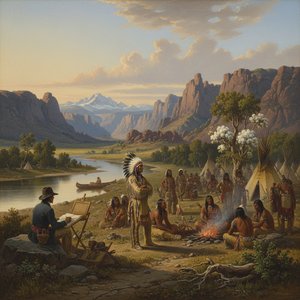
Karl Bodmer: Capturing Indigenous Life & Landscapes of the American West
Explore the captivating art of Karl Bodmer, whose detailed paintings documented Indigenous life along the Missouri River in the 19th century. Discover his legacy and lasting impact on Western art history.
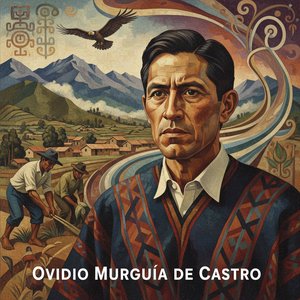
Ovidio Murguía de Castro: Ecuadorian Modernism & Social Realism's Indigenous Voice
Explore the captivating work of Ovidio Murguía de Castro, a pivotal figure in Ecuadorian Modernism. Discover his powerful Social Realist paintings and unique portrayal of Indigenous life – a compelling investment for discerning art collectors.
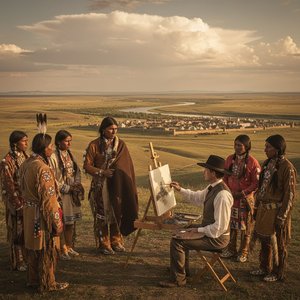
George Catlin: Witnessing & Representing Indigenous Life on the American Frontier
Explore the captivating art of George Catlin, renowned for his vivid portraits & landscapes documenting Native American life on the frontier. Discover a vanishing world through stunning paintings and historical context.
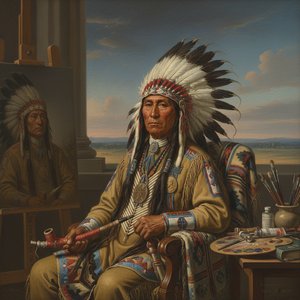
Charles Bird King: Capturing Native American Dignity Through Portraiture & Cultural Exchange
Explore the captivating portraits of Charles Bird King, renowned for his depictions of Native American leaders. Discover the historical context, artistic techniques, and collecting value of these significant 19th-century artworks.
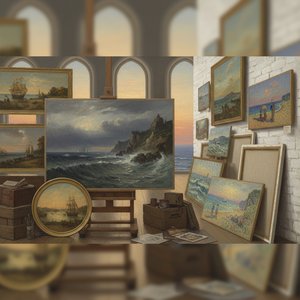
Evoking the Horizon: A Historical & Artistic Exploration of Coastal Scenes in Painting
Explore the rich history of coastal scenes in painting! Discover Impressionist masterpieces, American realism & contemporary visions. Learn about renowned artists and find your perfect seascape at ArtsDot.