

 Предпросмотр
 Поделиться
 Поделиться
 Детали произведения

 Скачать
 Похожие работы
 Рентгенография
 Слайд-шоу
 Статистика
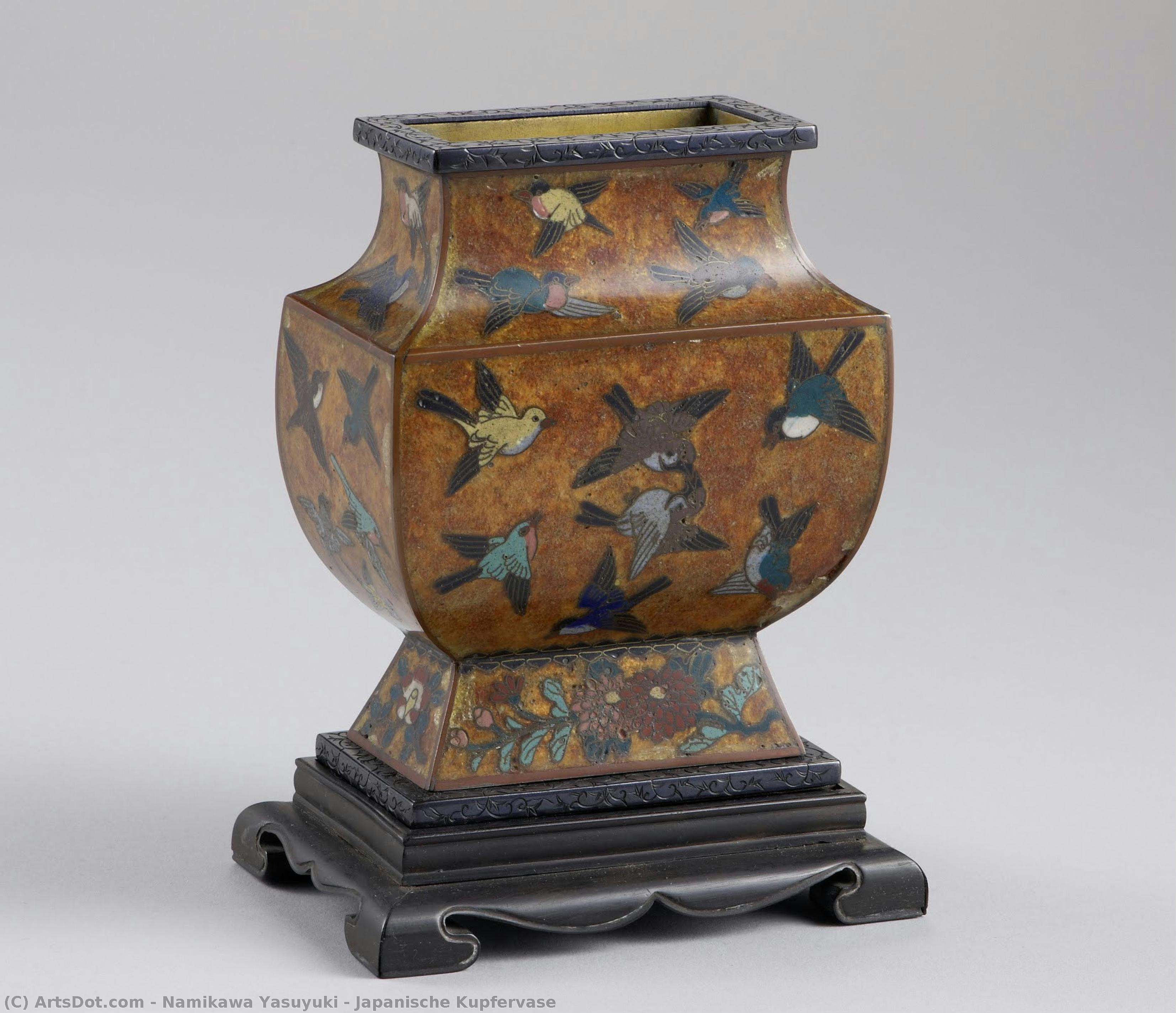
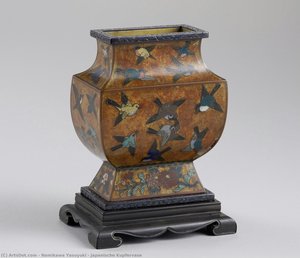
Japanische Kupfervase


 Читать далее
Приобретите цифровое изображение высокого разрешения в улучшенном качестве, которое значительно превосходит онлайн-превью.
Каждый файл тщательно подготавливается нашими специалистами с использованием передовых инструментов и экспертной ручной ретуши. Мы гарантируем исключительную четкость, точную цветопередачу и детальную проработку каждого изображения.
Финальный файл доставляется по электронной почте в течение 72 часов и оптимизирован для немедленного использования в профессиональной среде, при верстке и печати. Это тот же уровень качества, которому доверяют ведущие дизайнерские студии, издательства и галереи.
Цифровое изображение
Скачайте файл высокого разрешения для личного использования, печати и творческих проектов. ( Перейти к печати Купить картину ручной работы)
Включено в каждый заказ цифровых изображений
Гарантия экспертной цифровой доставки
Выбирая ArtsDot.com, вы получаете не просто изображение — вы приобретаете профессионально обработанное цифровое произведение искусства, созданное с безупречной точностью и под защитой гарантии качества. Вот всё, что автоматически входит в ваш заказ:

Мгновенная доставка по e-mail
Ваш цифровой файл в высоком разрешении будет отправлен вам по электронной почте в течение 72 часов после оформления заказа — и сразу станет доступен для использования.

Цифровой файл с ИИ-улучшением
Ваше произведение искусства проходит профессиональную оптимизацию с использованием передовых инструментов ИИ и ручной обработки, что гарантирует максимальную детализацию, четкость и точность цветопередачи.

Бессрочная бесплатная повторная доставка
Случайно удалили или потеряли файл? Не беспокойтесь — мы отправим его вам повторно в любое время и совершенно бесплатно.

Без импортных пошлин — навсегда
Наслаждайтесь вашим произведением искусства мгновенно без таможенных пошлин, сборов или затрат на доставку — цифровые загрузки всегда не облагаются налогом.

Гарантия точности цветопередачи
Мы гарантируем, что ваше цифровое изображение максимально точно передает оригинальные цвета благодаря использованию профессиональных инструментов и систем управления цветом.

Гарантия удовлетворенности 100 дней
Если вы не будете удовлетворены своим цифровым изображением, мы внесем правки или вернем 100% стоимости в течение 100 дней — без лишних вопросов.

100% Гарантия возврата средств
Не удовлетворены покупкой? Получите полный возврат средств в течение 100 дней после получения цифрового файла — без лишних вопросов.

Скидки на оптовые заказы
Купите 3 изображения, сэкономьте 10% — Купите 5, сэкономьте 15% — Купите 10+, сэкономьте 20%. Отличное решение для творческих проектов, галерей и агентств.
Похожие произведения
Биография художника
The Master of Enamel: The Life and Legacy of Namikawa Yasuyuki
In the twilight of the Edo period and the dawn of the Meiji era, a transformative energy swept through Japan, reshaping its traditional crafts for a global stage. At the heart of this artistic renaissance stood Namikawa Yasuyuki, a man whose hands possessed the rare ability to trap light within glass. Born in Kyoto in 1845 into a family steeped in artistic tradition, Yasuyuki’s journey began far from the delicate workshops of enamelers; he was originally a samurai. This background of discipline and precision would later become the bedrock of his meticulous approach to cloisonné, an art form requiring unparalleled patience and an exacting eye for detail.
As the social structures of Japan shifted, so too did Yasuyuki’s vocation. By 1868, he began transitioning into the world of professional artistry, initially honing his skills with the Kyoto Cloisonné Company. His talent was nothing short of meteoric. Between 1875 and 1915, he garnered accolades at fifty-one different exhibitions, ranging from Japan’s National Industrial Exhibition to the grand stages of international world's fairs. This period, spanning roughly from 1890 to 1910, is celebrated by historians as the "Golden Age" of Japanese enamels, a time when the shimmering, vitreous surfaces of cloisonné became a sensation across Europe and America.
A Symphony of Color and Technique
To behold a piece by Namikawa Yasuyuki is to witness a masterclass in technical innovation. His work is defined by an extraordinary use of color and a mastery of the cloisonné technique, where fine metal wires are soldered to a base to create intricate cells that are then filled with colored enamel paste. Yasuyuki pushed the boundaries of this medium, often employing marmored enamel—a complex process that creates swirling, stone-like patterns—to provide a breathtaking backdrop for his subjects. His compositions frequently featured delicate birds, seasonal flora, and ethereal landscapes, all rendered with a precision that blurred the line between craft and fine painting.
The artist’s dedication to his craft was so profound that he famously invited visitors, including the renowned English writer Rudyard Kipling, to tour his workshop. These tours were not merely displays of production but curated experiences designed to introduce international guests to Japanese aesthetics. He would guide observers through the arduous stages of creation, even demonstrating the use of fourteen different polishing stones, each with a specific roughness, used in sequence to achieve a mirror-like finish. This transparency of process underscored the profound labor and soul embedded in every vase and box he produced.
Imperial Recognition and Enduring Influence
The pinnacle of Yasuyuki’s professional life arrived in 1896, when he was appointed an Imperial Household Artist. This prestigious designation, held by only a select few, granted him a yearly stipend from the Emperor and tasked him with creating exquisite presentation wares to be gifted to foreign dignitaries. Under this mantle, his work became a symbol of Japanese diplomatic elegance. He often signed his most celebrated pieces with the mark Kyoto Namikawa, a testament to his pride in his origins and his status as a premier representative of Kyoto’s artistic heritage.
Though the decline of foreign demand following the Meiji era eventually led to the closure of his workshop in 1923, Yasuyuki’s impact on the world of decorative arts remains indelible. His legacy is preserved not only in the prestigious collections of museums like the Murauchi Art Museum but also in the very DNA of Japanese enamelwork. He transformed a traditional craft into a high art form that captured the imagination of the world, leaving behind a luminous trail of glass and gold that continues to captivate collectors and admirers centuries later.
namikawa yasuyuki
1845 - 1927 , Japan
Основные сведения
- Artistic Movement Or Style: Realism
- Artists Or Movements Influenced By This Artist: ['Arthur Elsley']
- Artists Who Influenced This Artist: ['Walter Crane']
- Date Of Birth: 1845
- Date Of Death: 1894
- Full Name: Charles Burton Barber
- Nationality: British
- Notable Artworks:
- Suspense
- Off To School
- Queen Victoria with John Brown
- Place Of Birth: Great Yarmouth, Norfolk