

 Предпросмотр
 Поделиться
 Поделиться
 Детали произведения

 Скачать
 Похожие работы
 Рентгенография
 Слайд-шоу
 Статистика
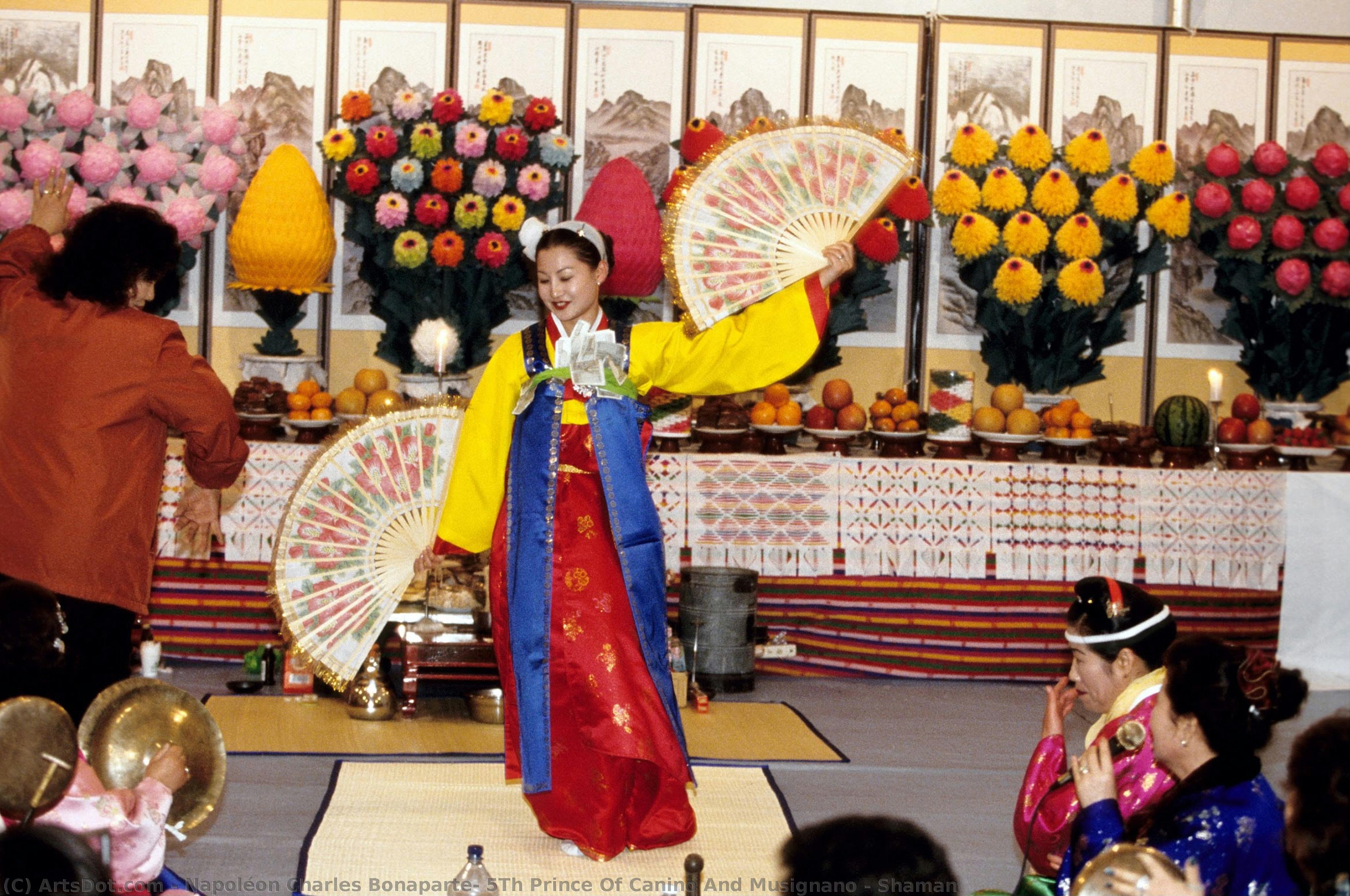
Shaman

 Читать далее
Приобретите цифровое изображение высокого разрешения в улучшенном качестве, которое значительно превосходит онлайн-превью.
Каждый файл тщательно подготавливается нашими специалистами с использованием передовых инструментов и экспертной ручной ретуши. Мы гарантируем исключительную четкость, точную цветопередачу и детальную проработку каждого изображения.
Финальный файл доставляется по электронной почте в течение 72 часов и оптимизирован для немедленного использования в профессиональной среде, при верстке и печати. Это тот же уровень качества, которому доверяют ведущие дизайнерские студии, издательства и галереи.
Цифровое изображение
Скачайте файл высокого разрешения для личного использования, печати и творческих проектов. ( Перейти к печати Купить картину ручной работы)
Включено в каждый заказ цифровых изображений
Гарантия экспертной цифровой доставки
Выбирая ArtsDot.com, вы получаете не просто изображение — вы приобретаете профессионально обработанное цифровое произведение искусства, созданное с безупречной точностью и под защитой гарантии качества. Вот всё, что автоматически входит в ваш заказ:

Мгновенная доставка по e-mail
Ваш цифровой файл в высоком разрешении будет отправлен вам по электронной почте в течение 72 часов после оформления заказа — и сразу станет доступен для использования.

Цифровой файл с ИИ-улучшением
Ваше произведение искусства проходит профессиональную оптимизацию с использованием передовых инструментов ИИ и ручной обработки, что гарантирует максимальную детализацию, четкость и точность цветопередачи.

Бессрочная бесплатная повторная доставка
Случайно удалили или потеряли файл? Не беспокойтесь — мы отправим его вам повторно в любое время и совершенно бесплатно.

Без импортных пошлин — навсегда
Наслаждайтесь вашим произведением искусства мгновенно без таможенных пошлин, сборов или затрат на доставку — цифровые загрузки всегда не облагаются налогом.

Гарантия точности цветопередачи
Мы гарантируем, что ваше цифровое изображение максимально точно передает оригинальные цвета благодаря использованию профессиональных инструментов и систем управления цветом.

Гарантия удовлетворенности 100 дней
Если вы не будете удовлетворены своим цифровым изображением, мы внесем правки или вернем 100% стоимости в течение 100 дней — без лишних вопросов.

100% Гарантия возврата средств
Не удовлетворены покупкой? Получите полный возврат средств в течение 100 дней после получения цифрового файла — без лишних вопросов.

Скидки на оптовые заказы
Купите 3 изображения, сэкономьте 10% — Купите 5, сэкономьте 15% — Купите 10+, сэкономьте 20%. Отличное решение для творческих проектов, галерей и агентств.
Похожие произведения










Биография художника
Napoléon Charles Bonaparte, 5th Prince of Canino & Musignano: A Pioneer of Napoleonic Symbolism
Napoléon Charles Bonaparte (1839 – 1899) stands as a singular figure in French art history—a descendant of Napoleon Bonaparte himself who achieved renown not for royal lineage but for his distinctive artistic vision. Born into the Bonaparte family’s waning influence, he navigated a turbulent era marked by political upheaval and familial discord, yet forged a path as a painter whose canvases captured the spirit of the Napoleonic age with remarkable sensitivity and symbolic depth. His oeuvre is primarily defined by two recurring motifs: “Lumberman” and “Shaman,” images that encapsulate his fascination with primal forces and spiritual contemplation—themes deeply rooted in Romanticism but imbued with a uniquely personal aesthetic.- Early Life & Family Background
- Military Service & Travels
- Artistic Development & Style
- Notable Works: Lumberman and Shaman
- Legacy & Historical Significance
Early Life & Family Background
Napoléon Jacques Bonaparte, as he was formally known, descended from Napoleon Bonaparte’s elder brother Lucien Bonaparte—a prominent figure in the Bourbon Restoration. Growing up amidst the grandeur and anxieties of aristocratic society in Rome, he received an education that fostered both intellectual curiosity and artistic inclination. His father, Charles Lucien Bonaparte, was a diplomat and scholar who instilled in his son a love for history and culture, shaping his worldview profoundly. Despite familial tensions surrounding inheritance disputes and political maneuvering, Napoléon Jacques’s upbringing provided him with the resources to pursue his passions independently.Military Service & Travels
Like many members of his family, Napoléon Jacques served in the French army during the Franco-Prussian War (1870–1871), demonstrating courage and commitment to duty. His military expeditions extended beyond France, taking him to Mexico where he participated in the siege of Veracruz—a formative experience that exposed him to diverse cultures and landscapes. These travels undoubtedly influenced his artistic sensibilities, fostering an appreciation for natural beauty and a fascination with ethnographic subjects.Artistic Development & Style
Bonaparte’s artistic style evolved throughout his career, reflecting the broader trends of Impressionism and Symbolism. Initially experimenting with plein air painting—a technique championed by Claude Monet and Pierre-Auguste Renoir—he gradually embraced a more expressive approach characterized by muted palettes and layered brushstrokes. However, he distinguished himself from many contemporaries through his unwavering focus on two recurring subjects: “Lumberman” and “Shaman.” These images weren’t merely depictions of individuals; they represented archetypal figures embodying primal energies and spiritual wisdom—concepts central to Romantic thought.Notable Works: Lumberman and Shaman
Bonaparte's paintings of "Lumberman" and "Shaman" are arguably his most celebrated achievements. These monumental canvases depict solitary men engaged in arduous labor amidst imposing natural settings—the lumberman wrestling with a felled tree, the shaman performing rituals under a starry sky. The artist meticulously rendered textures and colors to convey both physical exertion and spiritual transcendence. Recurring motifs of skulls and stylized figures underscore themes of mortality and transformation—elements characteristic of Romantic symbolism. His masterful execution captures not only visual beauty but also profound psychological insight.Legacy & Historical Significance
Napoléon Charles Bonaparte’s contribution to French art is significant, albeit understated compared to his familial connections. He stands as a testament to the enduring influence of Romantic ideals—particularly the fascination with mythic landscapes and spiritual contemplation—within the artistic landscape of the late 19th century. His distinctive style—marked by muted palettes and expressive brushstrokes—continues to inspire artists today. Furthermore, his exploration of archetypal figures speaks to universal human concerns about identity, purpose, and connection to nature—themes that resonate across cultures and generations. Through his evocative paintings, Napoléon Jacques Bonaparte cemented his place as a noteworthy artist who captured the spirit of an era while forging a personal artistic voice unlike any other.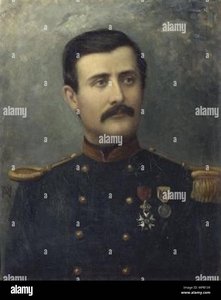
napoléon charles bonaparte, 5th prince of canino and musignano
1839 - 1899 , Italy
Основные сведения
- Artistic Movement Or Style: Napoleonic Art
- Date Of Birth: February 5, 1839
- Date Of Death: February 11, 1899
- Full Name: Napoléon Jacques Bonaparte
- Nationality: French
- Notable Artworks:
- Shaman
- Lumberman
- Place Of Birth: Rome, Italy