

 Предпросмотр
 Поделиться
 Поделиться
 Детали произведения

 Скачать
 Похожие работы
 Рентгенография
 Слайд-шоу
 Статистика
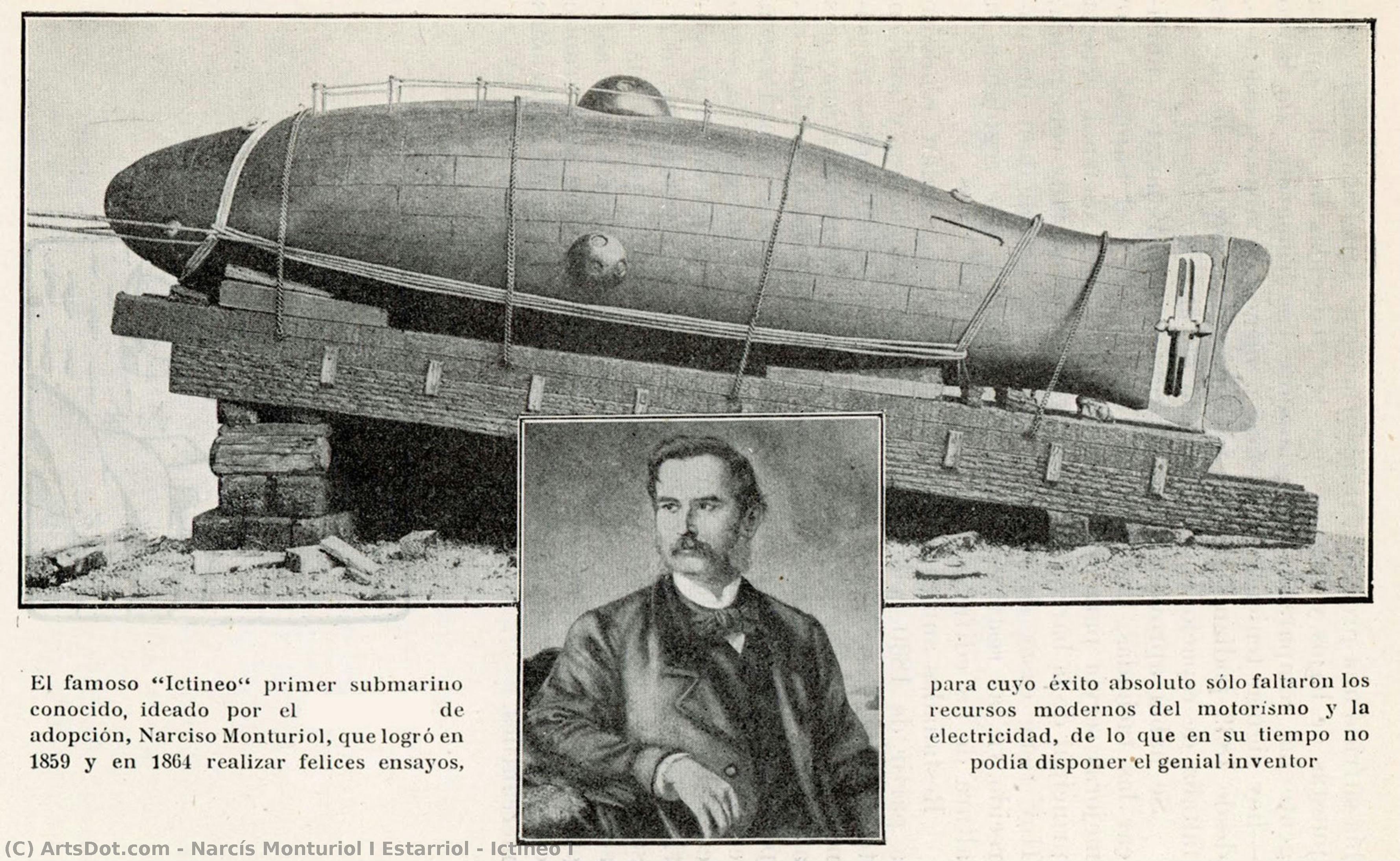
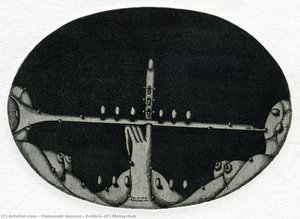
Ictíneo I
 21.0 x 15.0 cm
 The Martín-Crespo Collection of Tourism
 Читать далее
Приобретите цифровое изображение высокого разрешения в улучшенном качестве, которое значительно превосходит онлайн-превью.
Каждый файл тщательно подготавливается нашими специалистами с использованием передовых инструментов и экспертной ручной ретуши. Мы гарантируем исключительную четкость, точную цветопередачу и детальную проработку каждого изображения.
Финальный файл доставляется по электронной почте в течение 72 часов и оптимизирован для немедленного использования в профессиональной среде, при верстке и печати. Это тот же уровень качества, которому доверяют ведущие дизайнерские студии, издательства и галереи.
Цифровое изображение
Скачайте файл высокого разрешения для личного использования, печати и творческих проектов. ( Перейти к печати Купить картину ручной работы)
Включено в каждый заказ цифровых изображений
Гарантия экспертной цифровой доставки
Выбирая ArtsDot.com, вы получаете не просто изображение — вы приобретаете профессионально обработанное цифровое произведение искусства, созданное с безупречной точностью и под защитой гарантии качества. Вот всё, что автоматически входит в ваш заказ:

Мгновенная доставка по e-mail
Ваш цифровой файл в высоком разрешении будет отправлен вам по электронной почте в течение 72 часов после оформления заказа — и сразу станет доступен для использования.

Цифровой файл с ИИ-улучшением
Ваше произведение искусства проходит профессиональную оптимизацию с использованием передовых инструментов ИИ и ручной обработки, что гарантирует максимальную детализацию, четкость и точность цветопередачи.

Бессрочная бесплатная повторная доставка
Случайно удалили или потеряли файл? Не беспокойтесь — мы отправим его вам повторно в любое время и совершенно бесплатно.

Без импортных пошлин — навсегда
Наслаждайтесь вашим произведением искусства мгновенно без таможенных пошлин, сборов или затрат на доставку — цифровые загрузки всегда не облагаются налогом.

Гарантия точности цветопередачи
Мы гарантируем, что ваше цифровое изображение максимально точно передает оригинальные цвета благодаря использованию профессиональных инструментов и систем управления цветом.

Гарантия удовлетворенности 100 дней
Если вы не будете удовлетворены своим цифровым изображением, мы внесем правки или вернем 100% стоимости в течение 100 дней — без лишних вопросов.

100% Гарантия возврата средств
Не удовлетворены покупкой? Получите полный возврат средств в течение 100 дней после получения цифрового файла — без лишних вопросов.

Скидки на оптовые заказы
Купите 3 изображения, сэкономьте 10% — Купите 5, сэкономьте 15% — Купите 10+, сэкономьте 20%. Отличное решение для творческих проектов, галерей и агентств.
Похожие произведения






Биография художника
Gustave Courbet: A Revolutionary of the Real
Gustave Courbet, born in Ornans, France, on June 10, 1819, and tragically dying in La Tour-de-Peilz on December 31, 1877, was more than just a painter; he was a catalyst for change within the art world. His life’s work challenged the established norms of academic painting, ushering in the era of Realism and profoundly influencing generations of artists to come. Courbet's journey wasn’t one of effortless success but rather a relentless pursuit of truth and authenticity, often met with resistance from critics and institutions clinging to tradition.
His early life instilled within him a deep connection to his rural roots. The son of a prosperous farmer, Eléonor-Régis Courbet, and Sylvie Courbet, he initially showed little interest in art, envisioning a career as a lawyer. However, his father’s unwavering support and belief in his artistic potential provided the crucial foundation for his future endeavors. This familial encouragement, coupled with a keen observation of the world around him – from the weathered faces of peasant laborers to the stark beauty of the French countryside – would become the bedrock of his artistic vision.
Courbet’s formal training was initially limited, lacking the structured curriculum of prestigious art academies. He began by studying under local artists and later honed his skills by meticulously copying works by masters like Velázquez and Ribera, absorbing their techniques and understanding of light and shadow. This period of imitation served as a vital stepping stone, allowing him to develop a solid technical base before venturing into his own distinctive style. The rejection of the Salon jury in 1844 marked a turning point; Courbet’s refusal to conform to prevailing artistic standards signaled his determination to forge his own path.
The Rise of Realism and Challenging Conventions
Courbet's artistic philosophy was rooted in a desire to depict the world as he saw it, without romantic embellishment or idealized representations. He rejected the mythological subjects and historical narratives favored by the Academy, instead focusing on everyday life – scenes of rural labor, portraits of ordinary people, and landscapes devoid of picturesque qualities. This shift represented a radical departure from the established artistic conventions of his time.
His most celebrated work, *A Burial at Ornans* (1849-50), exemplifies this commitment to realism. Painted on an enormous scale – nearly 10 feet by 12 feet – it depicts a simple funeral procession in his hometown, capturing the somber atmosphere and the unvarnished reality of rural life. The painting’s sheer size was unprecedented for a Salon entry, further provoking controversy among critics who deemed it vulgar and lacking in artistic merit.
The rejection of *A Burial at Ornans* by the Salon jury in 1850 marked a pivotal moment in Courbet's career. It solidified his position as an outsider artist, challenging the established hierarchy of the art world and forcing critics to confront the uncomfortable truth that art could be found not only in grand historical narratives but also in the mundane details of everyday existence. This act of defiance became a defining characteristic of his artistic practice.
Major Works and Artistic Evolution
Throughout his career, Courbet produced a vast and diverse body of work, exploring a wide range of subjects with unwavering honesty and technical skill. *The Stone Breakers* (1849-50), another monumental painting, depicts two peasant laborers engaged in backbreaking work, offering a stark portrayal of poverty and hardship. This work, like *A Burial at Ornans*, was met with criticism for its unflinching realism.
His later works continued to explore themes of social injustice and the plight of the working class. *The Artist’s Studio* (1855) is a complex and layered painting that reflects on the role of the artist in society, depicting his own studio filled with models and unfinished canvases. *These Shadows – My Workshop* (1873), painted shortly before his death, showcases a series of portraits of his friends and fellow artists, offering a glimpse into the social circles of Parisian art life.
Courbet’s artistic style evolved over time, moving from a more academic approach to a bolder, more expressive manner. He experimented with color, brushstroke, and composition, developing a distinctive visual language that was both powerful and evocative. His use of dark, earthy tones and dramatic lighting created a sense of immediacy and emotional intensity.
Legacy and Historical Significance
Gustave Courbet’s legacy extends far beyond his individual paintings. He fundamentally altered the course of art history by challenging the conventions of academic painting and paving the way for Realism and Impressionism. His commitment to depicting the world as he saw it, without embellishment or idealization, inspired generations of artists to embrace authenticity and explore new forms of expression.
Despite facing considerable opposition during his lifetime, Courbet’s work gradually gained recognition after his death. Today, his paintings are celebrated for their honesty, emotional power, and social commentary. He remains a towering figure in the history of art, a revolutionary who dared to challenge the status quo and redefine what it meant to be an artist.
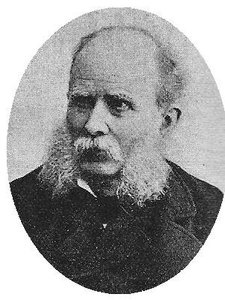
narcís monturiol i estarriol
1819 - 1885 , Spain
Основные сведения
- Artistic Movement Or Style: Realism
- Artists Or Movements Influenced By This Artist: ['Impressionism']
- Artists Who Influenced This Artist:
- Velázquez
- Ribera
- Date Of Birth: June 10, 1819
- Date Of Death: December 31, 1877
- Full Name: Gustave Courbet
- Nationality: French
- Notable Artworks:
- A Burial at Ornans
- The Stone Breakers
- Olympia
- Place Of Birth: Ornans, France