

 Предпросмотр
 Поделиться
 Поделиться
 Детали произведения

 Скачать
 Похожие работы
 Рентгенография
 Слайд-шоу
 Статистика
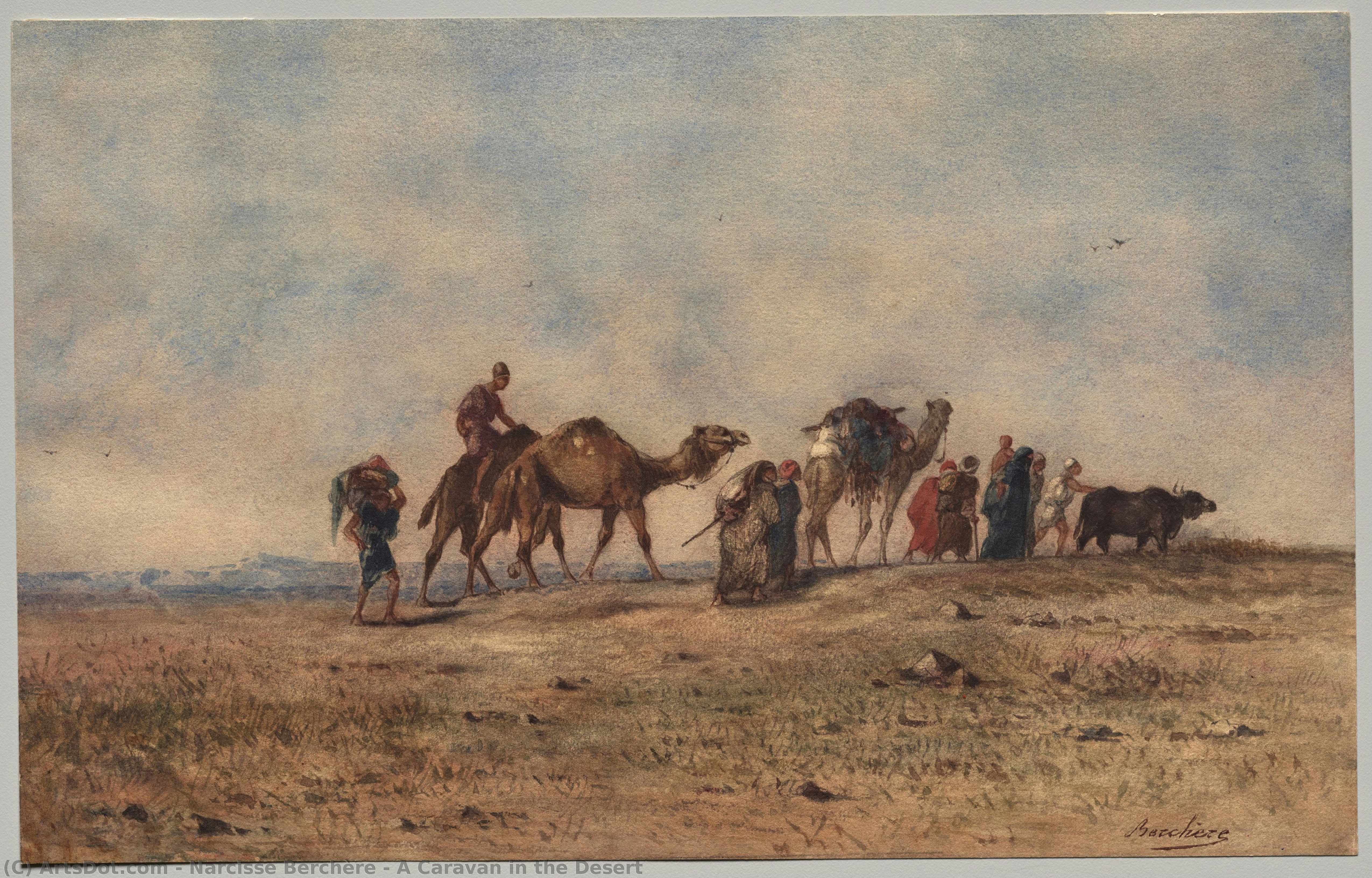
A Caravan in the Desert
 Orientalism
 1860
1860 19.0 x 31.0 cm
 Кливлендский музей искусств
 Читать далее
Масляная репродукция ручной работы
Картина маслом на холсте в выбранном вами размере и раме, написанная на заказ нашими художниками. ( Перейти к печати Перейти к цифровым изображениям)




P118B $10

P118H $10

P118W $10

P438Z $10

P508JH $12

P508YH $12

P805H $10

P805Z $10

P919BZ $10

P919G $10

P919XJ $10

P959ZH $10

P968JZ $12

W106C $8

W218G $10

W218JH $8

W218Y $10

W307PJ $10

W316G $10

W316PJ $8

W316Y $10

W398PJ $8

W4111J $10

W500HY $15

W500JH $15

W692G $12

W849H $8

W940BG $15

W953PJ $8




Выберите один из наших стандартных размеров, соответствующих оригинальным пропорциям произведения искусства.

Вы можете указать собственные размеры, чтобы картина идеально вписалась в выбранную раму или пространство. Если выбранный вами размер не соответствует пропорциям оригинала, мы либо обрежем полотно, либо расширим его за счет дополнительных элементов, написанных вручную. Цифровой макет будет отправлен вам на утверждение перед началом производства.
Обратите внимание, что предварительный просмотр на экране не отражает фактическую обрезку или расширение. Только макет точно покажет окончательную композицию.
Хотя доступны индивидуальные размеры, мы рекомендуем выбирать вариант из предопределенного списка, чтобы сохранить исходные пропорции.
После оформления заказа команда ArtsDot.com свяжется с клиентом по электронной почте для уточнения деталей и предоставит предварительный макет
Доставка по всему миру () за 3–4 недели вместо стандартных 5 недель. (11 Сентябрь). Без компромиссов в качестве.

Бесплатная экспресс-доставка по всему миру

Высококачественный льняной холст

Полное страхование доставки

Гарантия возмещения таможенных пошлин

Гарантия точного соответствия цветов

100-дневная политика возврата (только при обнаружении дефектов)

Гарантия возврата 100% средств

Предложение оптовых скидок
 Вариант со стеклом доступен только для размеров менее 110 см

A Caravan in the Desert
Техника репродукции
Размер репродукции
-


Итоговая стоимость
$ 438
A Glimpse into 19th-Century North Africa
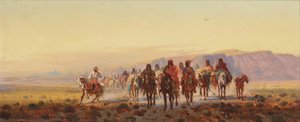
Narcisse Berchère’s *A Caravan in the Desert* (1860) transports us to the sun-drenched landscapes of Egypt, a region deeply imprinted on the French imagination following decades of colonial ambition. This watercolor painting isn't merely a depiction of travel; it’s a window into a period of burgeoning Orientalism – an artistic movement fascinated with the “exotic” East. Measuring 19 x 31 cm, this intimate work captures a party of travelers and their camels traversing a vast, arid expanse. Berchère, having studied in Paris before embarking on several journeys to North Africa, skillfully blends observation with artistic license, offering a romanticized yet evocative vision of desert life.Style & Technique: Impressionistic Realism
Berchère’s style is characterized by a delicate balance between realism and impressionistic tendencies. While the subject matter – a caravan scene – lends itself to detailed representation, his execution is remarkably loose and expressive. The watercolor technique allows for luminous washes of color, primarily earthy browns and ochres, that convincingly convey the heat and dryness of the desert environment. Atmospheric perspective plays a crucial role; distant elements are rendered paler and less defined, creating a convincing sense of depth and scale. Notice how Berchère uses horizontal lines to emphasize the flatness of the terrain while organic shapes – camels, figures, dunes – provide visual interest. The visible brushstrokes add texture and contribute to the overall feeling of movement, as if the caravan is perpetually journeying across the sands.Symbolism & Historical Context
The caravan itself serves as a potent symbol—representing not only physical travel and trade but also broader themes of exploration, cultural exchange, and perhaps even the uncertainties inherent in venturing into the unknown. Berchère’s work emerged during a period when France was actively engaged in colonial endeavors in North Africa. While not overtly political, his paintings reflect a fascination with – and arguably, a romanticization of – these regions. The artwork subtly speaks to the power dynamics at play, presenting a scene that is both alluring and distant from the European viewer’s experience. Interestingly, the artist's name itself, Narcisse, echoes the Greek myth of Narcissus, a tale of self-obsession and unattainable love – a subtle layer of meaning that invites contemplation.Emotional Resonance & Interior Design
*A Caravan in the Desert* evokes a sense of solitude, resilience, and the austere beauty of the desert landscape. The muted color palette and expansive composition create a calming yet contemplative atmosphere. This artwork would be an exceptional addition to interiors seeking a touch of wanderlust or a sophisticated, worldly aesthetic. Its relatively small size makes it versatile – ideal for smaller spaces or as part of a curated gallery wall. The painting’s earthy tones complement neutral palettes beautifully, while its historical context adds depth and conversation-starting potential. It's a piece that invites viewers to pause, reflect, and imagine themselves embarking on their own journey through time and space.Похожие произведения
Биография художника
The Painter of Desert Dreams
Narcisse Berchère (1819–1891) stands as a singular figure in the annals of French Orientalist painting, an artist whose canvases transported viewers to the sun-drenched landscapes and vibrant cultures of the Middle East and North Africa. Born in Étampes, Berchère possessed a remarkable sensitivity for capturing the subtle beauty and profound spirituality inherent in these regions—a perspective that distinguishes him as one of the most evocative interpreters of Islamic art themes. Unlike many of his contemporaries who focused on grand narratives of conquest or opulent palaces, Berchère sought the soul of the landscape, finding poetry in the vast, arid expanses and the rhythmic movement of desert life.
His artistic journey began with rigorous academic foundations in Paris. Under the guidance of masters such as Charles-Caïus Renoux at the École des Beaux-Arts and later within the studios of Jean-Charles-Joseph Rémond, Berchère developed a disciplined command of form and light. This classical training was deeply enriched by the influence of Alexandre Cabanel, whose mastery of chiaroscuro left an indelible mark on Berchère’s technique. However, it was the dramatic Romanticism of Eugène Delacroix that truly ignited his creative spirit. Delacroix’s fascination with exotic locales, particularly Morocco, provided a blueprint for Berchère to venture beyond European borders and embrace the challenge of portraying unfamiliar environments with both authenticity and emotional depth.
Journeys Through the Orient
The true essence of Berchère’s oeuvre was forged through his physical travels across much of the known world. Between 1849 and 1850, he explored Egypt, Asia Minor, and the Greek archipelago, experiences that would forever alter his visual vocabulary. His connection to the East was not merely observational but deeply immersive; in 1856, he returned to Egypt, famously crossing the Sinai desert alongside the painter Léon Belly. This expedition even brought him into the company of luminaries like Jean-Léon Gérôme and Auguste Bartholdi, placing him at the very heart of the 19th-century Orientalist movement.
One of his most significant historical contributions occurred when Ferdinand de Lesseps entrusted him with a monumental task: to document the various stages of the excavation of the Suez Canal. Through this series of paintings, Berchère acted as both an artist and a visual historian, capturing the transformative industrial labor that was reshaping the geography of the region. His correspondence during this period, particularly with the painter Eugène Fromentin, offers a rare glimpse into the intellectual and personal reflections of an artist witnessing history in the making.
Technique and Lasting Legacy
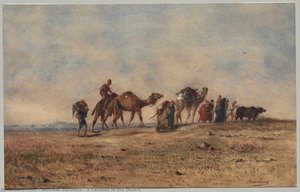
Berchère’s style is characterized by a delicate balance between impressionistic realism and meticulous observation. In works such as A Caravan in the Desert, he utilizes luminous washes of color—primarily earthy ochres and deep browns—to convey the palpable heat and dryness of the Egyptian landscape. He mastered the use of atmospheric perspective, where distant dunes and figures become pale and ethereal, creating a convincing sense of immense scale and depth. His brushwork, while capable of great detail, often retains an expressive looseness that captures the movement of wind-blown sand or the swaying gait of a camel.
The historical significance of Narcisse Berchère lies in his ability to move past the mere spectacle of the "exotic" to find a profound connection with his subjects. His work remains a vital window into a period of intense cultural exchange and colonial ambition, serving as a bridge between the European gaze and the enduring majesty of the Orient. Through his eyes, we do not merely see a landscape; we feel the heat of the sun, the silence of the dunes, and the timeless pulse of the desert.
narcisse berchère
1819 - 1891
Основные сведения
- Artistic Movement Or Style: Orientalism
- Artists Or Movements Influenced By This Artist: ['Romanticism']
- Artists Who Influenced This Artist:
- Jean-Léon Gerhardt
- Eugène Delacroix
- Date Of Birth: 1819
- Date Of Death: 1891
- Full Name: Narcisse Berchère
- Nationality: French
- Notable Artworks:
- The Oasis
- The Caravan
- The Desert
- Place Of Birth: Paris, France
Похожие статьи
Топ-10 легендарных акварелей, изменивших искусство навсегда | ArtsDot
Погрузитесь в мир акварели! Откройте топ-10 легендарных картин Turner, Monet и других великих художников. История искусства, техники живописи и вдохновение для вашего интерьера. Репродукции музейного качества на ArtsDot.com.
Ephemeral Visions: Exploring the Artistic Legacy & Contemporary Practice of Watercolor Painting
Explore the captivating world of watercolor painting! Discover its rich history, essential techniques, influential artists & collecting tips. A comprehensive guide for art enthusiasts from ArtsDot.
Ephemeral Echoes: Exploring the Aesthetic & Historical Significance of Vintage Watercolor Painting
Explore the captivating world of vintage watercolor painting! Discover its rich history, techniques, influential artists & collecting tips. Expert insights for enthusiasts and collectors at ArtsDot.
Ephemeral Visions: Exploring the History & Emotional Resonance of Watercolor Painting
Explore the captivating history of watercolor painting, from ancient techniques to modern masters like Kandinsky & Blake. Discover essential artists, collecting tips & the emotional power of this luminous medium. Expert insights for art enthusiasts.
Ephemeral Visions: Exploring the Artistic Legacy & Nuances of Watercolor Painting
Explore the captivating world of watercolor painting! Discover its rich history, essential techniques, influential artists & collecting tips from art experts. A comprehensive guide for enthusiasts.