

 Предпросмотр
 Поделиться
 Поделиться
 Детали произведения

 Скачать
 Похожие работы
 Рентгенография
 Слайд-шоу
 Статистика
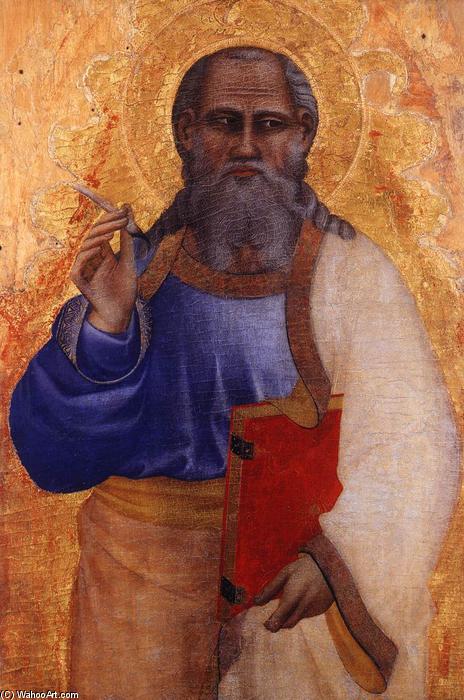
St John the Evangelist
 1360
1360 62.0 x 41.0 cm
 Lindenau-Museum
 Читать далее
Приобретите цифровое изображение высокого разрешения в улучшенном качестве, которое значительно превосходит онлайн-превью.
Каждый файл тщательно подготавливается нашими специалистами с использованием передовых инструментов и экспертной ручной ретуши. Мы гарантируем исключительную четкость, точную цветопередачу и детальную проработку каждого изображения.
Финальный файл доставляется по электронной почте в течение 72 часов и оптимизирован для немедленного использования в профессиональной среде, при верстке и печати. Это тот же уровень качества, которому доверяют ведущие дизайнерские студии, издательства и галереи.
Цифровое изображение
Скачайте файл высокого разрешения для личного использования, печати и творческих проектов. ( Перейти к печати Купить картину ручной работы)
Включено в каждый заказ цифровых изображений
Гарантия экспертной цифровой доставки
Выбирая ArtsDot.com, вы получаете не просто изображение — вы приобретаете профессионально обработанное цифровое произведение искусства, созданное с безупречной точностью и под защитой гарантии качества. Вот всё, что автоматически входит в ваш заказ:

Мгновенная доставка по e-mail
Ваш цифровой файл в высоком разрешении будет отправлен вам по электронной почте в течение 72 часов после оформления заказа — и сразу станет доступен для использования.

Цифровой файл с ИИ-улучшением
Ваше произведение искусства проходит профессиональную оптимизацию с использованием передовых инструментов ИИ и ручной обработки, что гарантирует максимальную детализацию, четкость и точность цветопередачи.

Бессрочная бесплатная повторная доставка
Случайно удалили или потеряли файл? Не беспокойтесь — мы отправим его вам повторно в любое время и совершенно бесплатно.

Без импортных пошлин — навсегда
Наслаждайтесь вашим произведением искусства мгновенно без таможенных пошлин, сборов или затрат на доставку — цифровые загрузки всегда не облагаются налогом.

Гарантия точности цветопередачи
Мы гарантируем, что ваше цифровое изображение максимально точно передает оригинальные цвета благодаря использованию профессиональных инструментов и систем управления цветом.

Гарантия удовлетворенности 100 дней
Если вы не будете удовлетворены своим цифровым изображением, мы внесем правки или вернем 100% стоимости в течение 100 дней — без лишних вопросов.

100% Гарантия возврата средств
Не удовлетворены покупкой? Получите полный возврат средств в течение 100 дней после получения цифрового файла — без лишних вопросов.

Скидки на оптовые заказы
Купите 3 изображения, сэкономьте 10% — Купите 5, сэкономьте 15% — Купите 10+, сэкономьте 20%. Отличное решение для творческих проектов, галерей и агентств.
Artistic Style and Symbolism
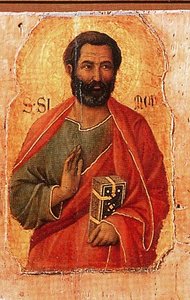
The painting features St John the Evangelist with a long beard and mustache, suggesting an older age, which aligns with traditional depictions of this saint as one of the apostles who lived into old age. He has a contemplative expression on his face, indicative of deep thought or prayer. His hair is graying at the temples, further emphasizing his advanced years. The use of tempera on wood panels was common in medieval art, and this painting is a prime example of the skill and craftsmanship of Nardo Leonardo Di Cione.- The painting is characterized by its use of rich colors, including blue and gold, which symbolize purity and divinity.
- The red book held by St John is likely to be the Gospel of John, one of the four canonical gospels of the New Testament.
- The golden halo around his head signifies holiness and divine status, adding to the richness and importance of the figure.
Похожие произведения
Биография художника
The Poet Painter of Florence: The Lyrical Legacy of Nardo di Cione
In the golden, turbulent era of fourteenth-century Florence, amidst the burgeoning shadows of the early Renaissance, there emerged a voice of profound tenderness and chromatic brilliance. Nardo di Cione, often whispered of in art historical circles as "the poet painter," was much more than a mere practitioner of the Florentine guild; he was a master of emotional resonance. While his contemporaries often sought to capture the monumental and the rigid, Nardo possessed an unparalleled sensitivity to form and a lyrical vein that allowed him to breathe life into the divine. Born around 1320, he was part of a formidable artistic dynasty, working alongside his brothers, the renowned Orcagna (Andrea di Cione) and Jacopo di Cione. Together, they formed a collaborative studio that acted as a crucible for innovation, shaping the visual language of Florence during its most formative years.
Nardo’s artistic foundation was built upon a rigorous understanding of both the tactile and the ethereal. His early training under Maestro Piero Bargellini, a distinguished sculptor and painter, provided him with a unique dual perspective. This apprenticeship instilled in him a deep reverence for sculptural volume, which he would later translate into painting through soft modeling and subtle differentiation of tone. This ability to marry the structural weight of sculpture with the fluid grace of painting is what truly distinguishes his hand. His work does not merely sit upon the surface; it possesses a rhythmic, breathing quality that suggests a profound human sympathy, even when depicting the most celestial subjects.
A Symphony of Devotion and Color
The zenith of Nardo’s collaborative achievements can be found within the hallowed walls of the Cappella Strozzi in Santa Maria Novella. Here, the Di Cione brothers undertook a monumental decorative program that remains a testament to their shared vision. While Orcagna focused on the central altarpiece, Nardo was entrusted with the profound narrative weight of the frescoes depicting The Last Judgment, Paradise, and Hell. In these works, Nardo’s mastery of color theory shines through; he utilized a rich palette to guide the viewer's soul from the terrifying depths of the inferno to the luminous, Byzantine-inspired splendor of paradise. His use of color was never merely decorative but served as a spiritual tool—a means of creating an otherworldly atmosphere that could evoke both dread and ecstasy.
Beyond these grand frescoes, Nardo’s independent works reveal a more intimate, devotional side of his genius. His Crucifixion, currently housed in the Uffizi Gallery, serves as a breathtaking example of Gothic elegance. Through the meticulous application of gold leaf and intricate detailing, he captures an intense emotionality that transcends the wooden panel. Similarly, his Standing Madonna with Child, created in the wake of the devastating bubonic plague of 1348, speaks to the historical necessity of art as a vessel for spiritual relief. In this piece, one sees the artist's ability to offer comfort through beauty, creating icons that served as anchors for a grieving Florentine populace.
Historical Significance and Artistic Spirit
The significance of Nardo di Cione lies in his ability to bridge the gap between the rigid traditions of the medieval period and the burgeoning humanism of the Renaissance. His work embodies a transition—a movement from the symbolic toward the emotive. To study Nardo is to witness the evolution of the Florentine spirit:
- Technical Versatility: The seamless integration of sculptural depth with painterly fluidity.
- Emotional Depth: A unique "poetic" approach that prioritized human sympathy and soft, expressive modeling.
- Chromatic Mastery: The use of vibrant, symbolic colors to navigate complex theological narratives.
nardo leonardo di cione
1320 - 1366
Основные сведения
- Artistic Movement Or Style: Renaissance Painting
- Artists Or Movements Influenced By This Artist: ['Late Gothic']
- Artists Who Influenced This Artist: ['Andrea di Cione']
- Date Of Death: c. 1366
- Full Name: Nardo di Cione
- Nationality: Italian
- Notable Artworks:
- Crucifixion
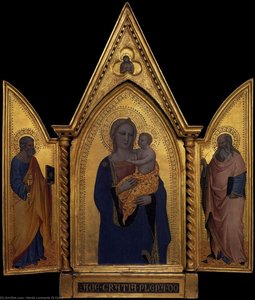
- Madonna and Child with Sts Peter and John the Evangelist
- Place Of Birth: Florence